
Monday, November 16, 2026Nov 16

In historic move, California expands overtime to farmworkers

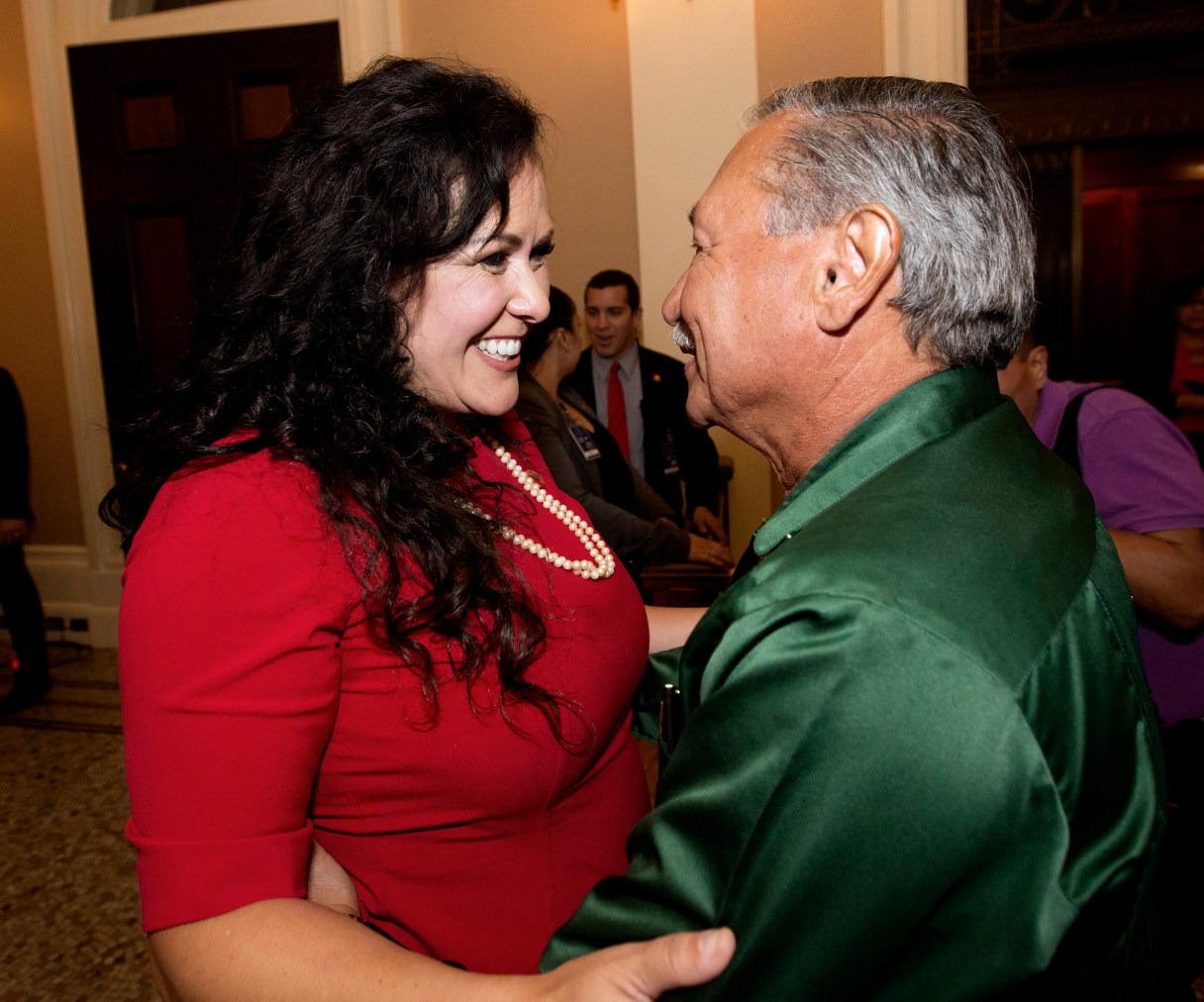
Assemblywoman Lorena Gonzalez, D-San Diego, receives congratulations from Arturo Rodriguez, president of the United Farm Workers, after the Assembly approved her bill requiring farmworkers to receive overtime pay after working eight hours, at the Capitol, in Sacramento, Calif. Calif. Gov. Jerry Brown, announced that he signed Gonzalez' bill, AB1066, Monday, Sept. 12, 2016. (AP Photo/Rich Pedroncelli,file)

SACRAMENTO, Calif. (AP) – Farmworkers in the nation’s largest agricultural state will be entitled to the same overtime pay as most other hourly workers under a law that California Gov. Jerry Brown said Monday that he had signed.

The new law, which will be phased in beginning in 2019, is the first of its kind in the nation to end the 80-year-old practice of applying separate labor rules to agricultural laborers.

California employers currently must pay time-and-a half to farmworkers after 10 hours in a day or 60 hours in a week. That’s longer than the overtime pay for other workers, who get it after eight hours a day or 40 hours a week.

AB1066 will gradually lower the number of hours that irrigators, ranch hands and people who sow and harvest fields must work before accruing additional compensation.

It will take full effect in 2022 for most businesses and in 2025 for farms with 25 or fewer employees.