
 Ken Chilton
Quick facts
* In the city’s 11 low-income neighborhoods, the average poverty rate is 63.5 percent.* In the same neighborhoods, 73 percent of residents are black and 26 percent are white.* In the city, the percentage of blacks in poverty rose from 28.5 percent in 2000 to 35.5 percent in 2013. The percentage of whites in poverty increased from 11 percent in 2000 to 14.5 percent in 2013.* In most of these neighborhoods the income of whites far exceeds those of blacks. For example, in the Southside, blacks earn, on average, $50,000 less than whites.* Unemployment in these neighborhoods is staggering. In the Westside, for example, 40 percent of blacks are unemployed. Three quarters of households in Alton Park earn less than $25,000 a year.* In these neighborhoods, with the exception of the Southside, renters devote more than 50 percent of their income to rent.Source: Ken Chilton, NAACP
Read more
Cook: The dream deferred in Chattanooga
The lives of too many black Chattanoogans are marked by poverty, struggle, poor health, violence, low wages and an inability to break free from the segregation and isolation that follows them from birth to adulthood, a new report published by the Chattanooga NAACP says.
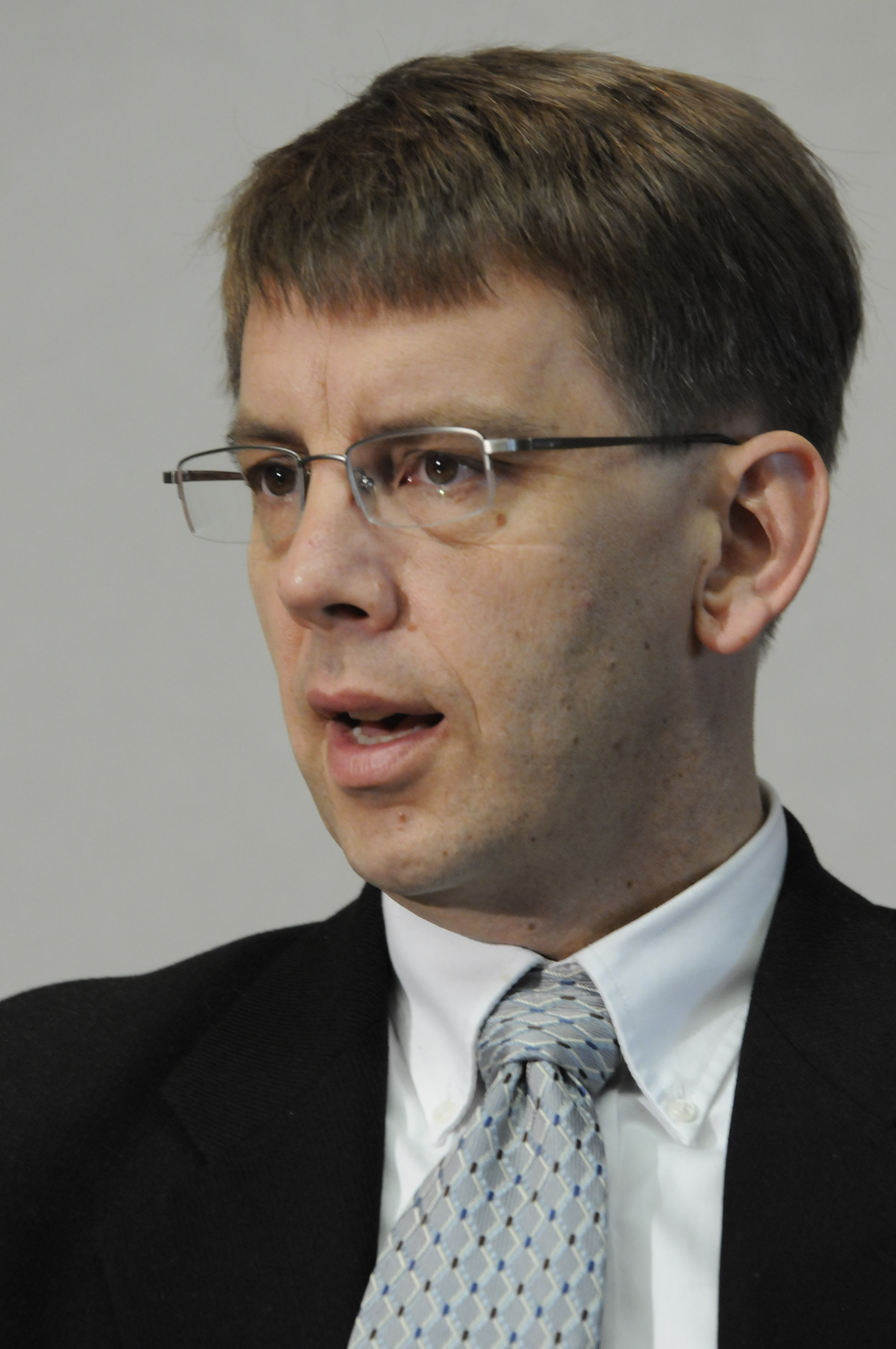
“The Unfinished Agenda,” written and researched by Ken Chilton, a professor at Tennessee State University’s Department of Public Administration and a former head of Chattanooga’s Ochs Center, uses sobering statistics to call for a unified movement change. The NAACP is looking for a response similar to the one that spurred downtown’s revitalization and Chattanooga’s economic comeback.
This time, leaders with the NAACP say, the focus should be on creating opportunity for all, especially those who have yet to benefit from Chattanooga’s expanding national prominence.