
KUNDUZ, Afghanistan (AP) – When the Taliban descended a month ago on Dam Shakh, a hamlet on the wheat-growing plains of northern Afghanistan’s Kunduz province, nobody was prepared.
“They turned up suddenly and took us completely by surprise,” said resident Ghulam Sakhi of the night of April 24 when hundreds of Taliban militants launched a coordinated attack. “It was horrific. People just started running away as fast as they could and for those who stayed, we were on our own for 10 days. The government just couldn’t cope.”
Military and intelligence authorities were equally surprised. Armed gunmen took over homes and used residents as human shields. Army reinforcements didn’t arrive for days and then lacked supplies – ammunition, food, fuel – because of poor logistics, Gov. Mohammad Omer Safi said. As government forces rallied their defenses, the fighting raged for more than two weeks as the militants came within three kilometers (less than 2 miles) of the provincial capital, Kunduz city, Safi said.
For now, the city of Kunduz appears secured. A combined force of government troops and hastily recruited militiamen has pushed managed to push back the insurgents to Gor Tepa, some 15 kilometers (12 miles) from Kunduz city, and liberated occupied villages and hamlets such as Talawka and Dam Shakh.
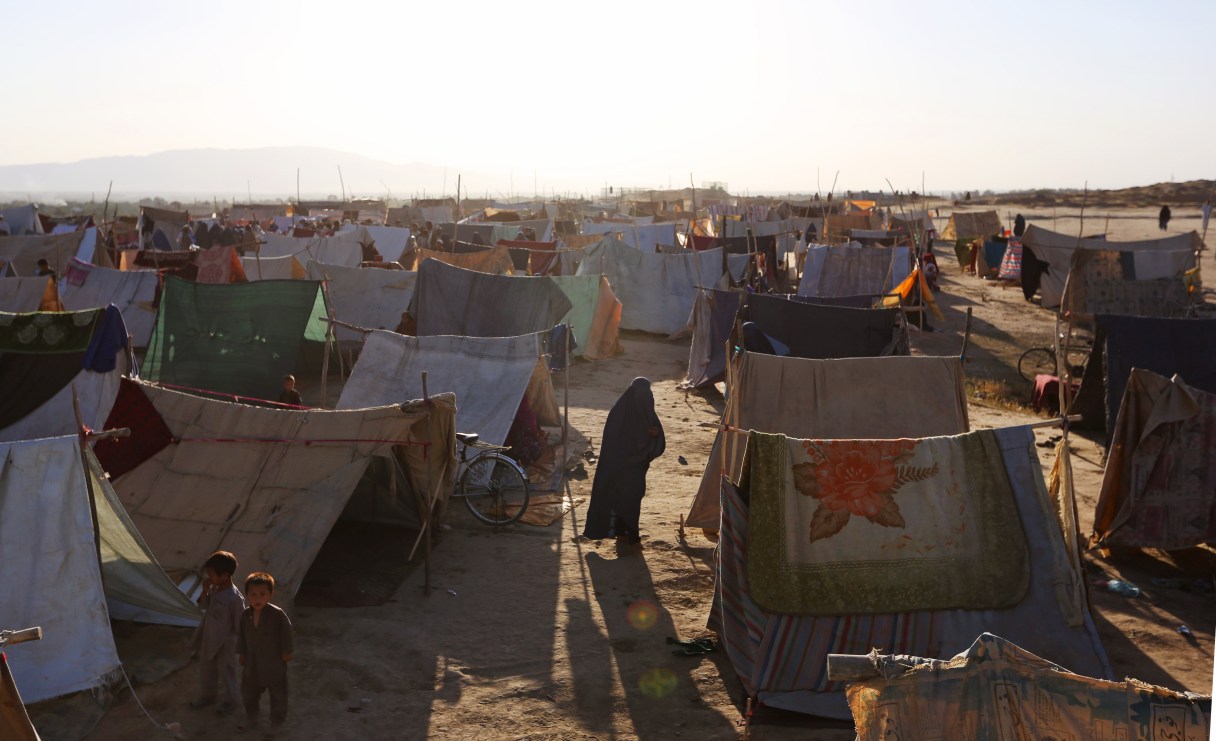
But the battle continues and Afghan officials concede it will be slow, bloody work to dislodge the insurgents much further. In the meantime, the region’s civilian population will bear the brunt of living on Afghanistan’s new northern front line. Already more than 100,000 people have been forced from their homes, many renting houses or staying with other families and receiving assistance from U.N. agencies and other charities.