
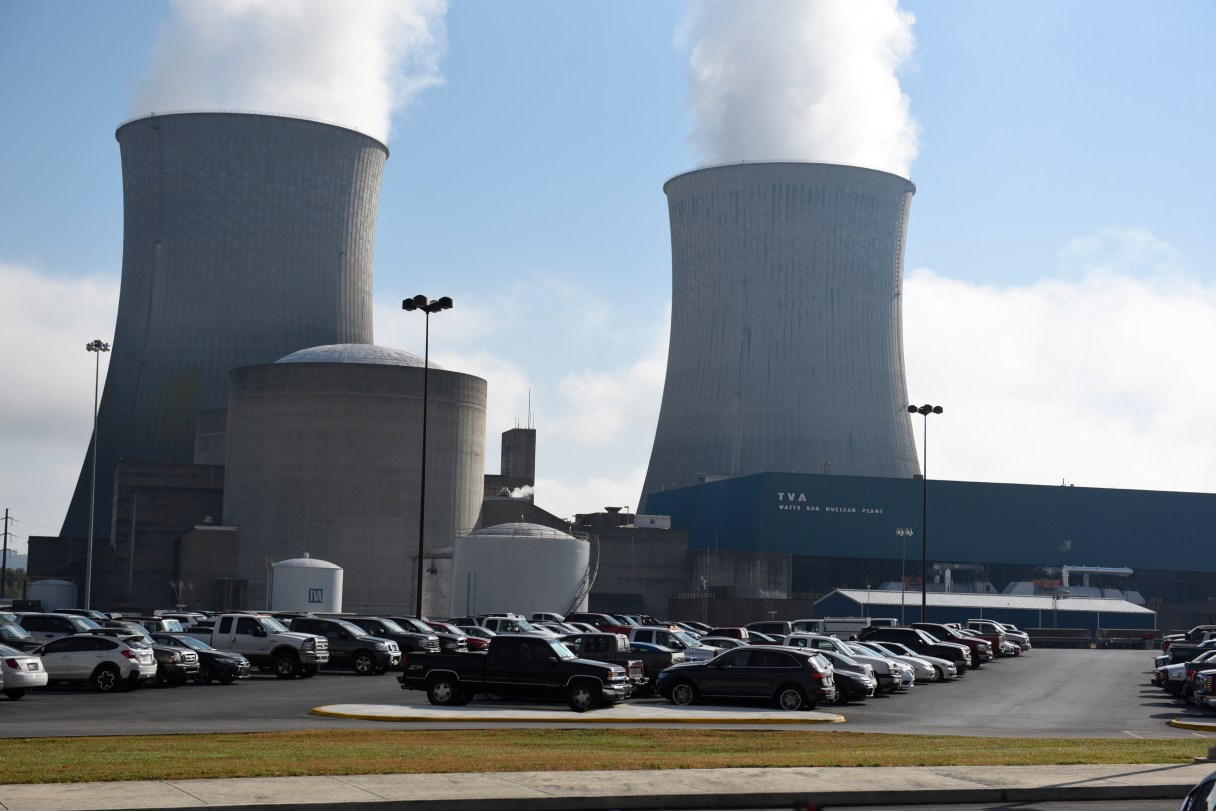
TVA’s top nuclear officers have met with nuclear operators, investigated employee concerns and communicated a new openness to hearing safety comments and criticisms after regulators earlier this year determined managers had created a “chilling effect” on employee safety concerns at the Watts Bar Nuclear Power Plant.
TVA will outline the improvements it has made in its employee concerns program next week in a meeting with top regional officials from the U.S. Nuclear Regulatory Commission.
The meeting at 10 a.m. Tuesday at the NRC’s regional headquarters in Atlanta comes two months after regulators issued a critical letter to TVA about how its programs, people and procedures may be stifling some control room operators in the Unit 1 reactor at Watts Bar from raising safety concerns.
“The hesitancy to raise concerns is what the NRC calls a ‘chilling effect,’ NRC spokesman Roger Hannah said, “and we want to hear what steps TVA has taken to change that atmosphere.”
In a 17-page response to the NRC last month, TVA outlined a number of meetings, surveys and communications that plant managers have made over the past couple of months to change the culture at Watts Bar.