
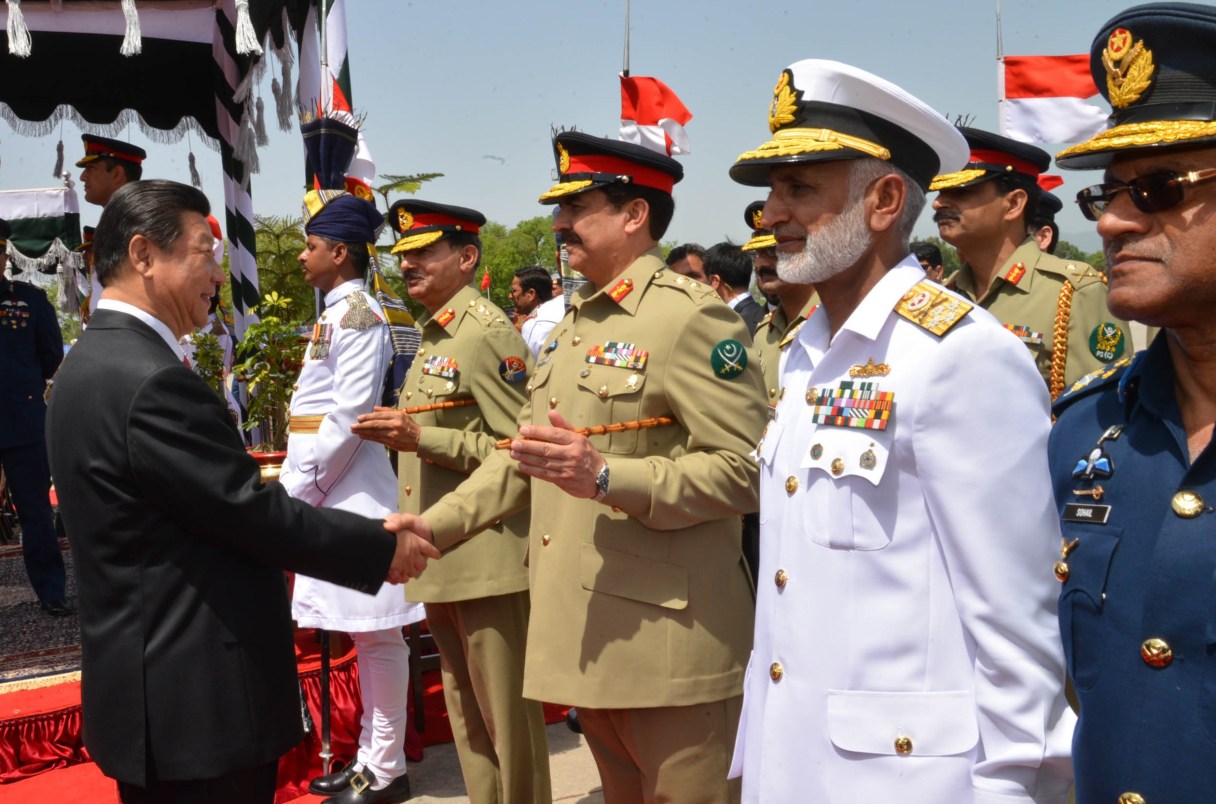
ISLAMABAD (AP) – As the battlefield losses in Afghanistan mount and entire swathes of the country that cost hundreds of U.S.-led coalition and Afghan military lives to secure slip back into Taliban hands, four counties __ Pakistan, Afghanistan, China and the United States __ are meeting Monday in the Pakistani capital of Islamabad to try to craft a plan for peace in the war-shattered country.
But analysts and participants alike say that while there are four countries talking, much of the hope for progress toward peace rests with Pakistan – which is accused of harboring some of the fiercest factions of the Taliban, including the Haqqani group, a U.S.-declared terrorist organization. Pakistan for its part says its influence over the Taliban is overrated.
“Even at the best of times they (Taliban) didn’t listen to us,” the Pakistani prime minister’s special adviser on foreign affairs Sartaj Aziz told The Associated Press. “Look at Bamiyan,” he said, referring to the Taliban’s destruction in the summer of 2001 of some of the world’s most precious statues of Buddha. The Taliban blew up the statues, ignoring the roars of dissent including from Pakistan.
Aziz will address the summit that is to open at 10 a.m. (0500 GMT). His remarks are to be carried live on the government-owned Pakistan Television.
Aziz refused to say whether Pakistan was in possession of a list of Taliban representatives who are prepared to enter into peace negotiations. The presence of such a list was announced Sunday by Javid Faisal, deputy spokesman for Afghanistan’s Chief Executive Abdullah Abdullah.