
Monday, November 16, 2026Nov 16

Justices weigh case of Muslim denied job over headscarf

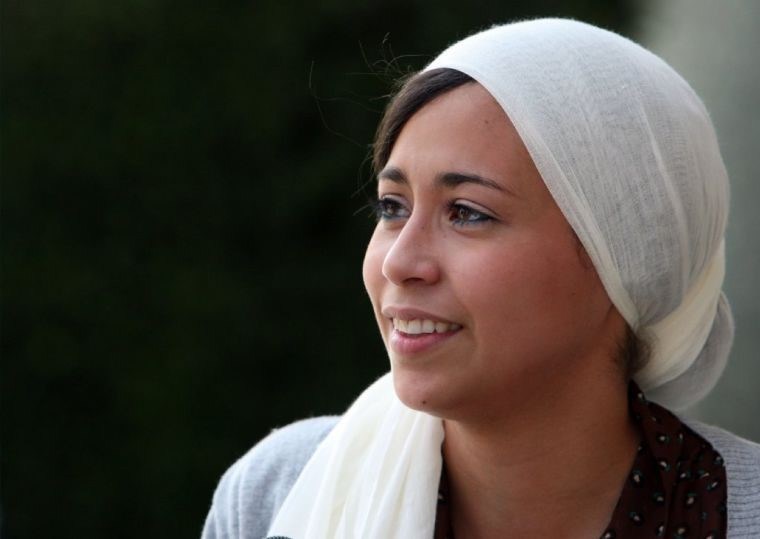
This 2011 photo shows Samantha Elauf during an interview outside of the federal courthouse in downtown Tulsa, Okla. The Supreme Court is considering the employment discrimination claim of Elauf who was turned down for a job by clothing retailer Abercrombie & Fitch after she showed up at her job interview wearing a black headscarf that conflicted with the company’s dress code. (AP Photo/Tulsa World, Cory Young)  ONLINE OUT; KOTV OUT; KJRH OUT; KTUL OUT; KOKI OUT; KQCW OUT; KDOR OUT; TULSA OUT; TULSA ONLINE OUT
This 2011 photo shows Samantha Elauf during an interview outside of the federal courthouse in downtown Tulsa, Okla. The Supreme Court is considering the employment discrimination claim of Elauf who was turned down for a job by clothing retailer Abercrombie & Fitch after she showed up at her job interview wearing a black headscarf that conflicted with the company’s dress code. (AP Photo/Tulsa World, Cory Young) ONLINE OUT; KOTV OUT; KJRH OUT; KTUL OUT; KOKI OUT; KQCW OUT; KDOR OUT; TULSA OUT; TULSA ONLINE OUT

WASHINGTON (AP) – The Supreme Court is considering the employment discrimination claim of a Muslim woman who was turned down for a job by clothing retailer Abercrombie & Fitch after she showed up at her job interview wearing a black headscarf that conflicted with the company’s dress code.

The case being argued Wednesday explores when an employer must take steps to accommodate the religious beliefs of a worker or job applicant. Central to the case is that applicant Samantha Elauf never explicitly voiced her religious views or her need to wear a headscarf on the job – although the assistant store manager who interviewed her correctly assumed Elauf was a Muslim who dressed that way for religious reasons.

Abercrombie & Fitch has since changed its policy on headscarves and settled similar lawsuits elsewhere.