
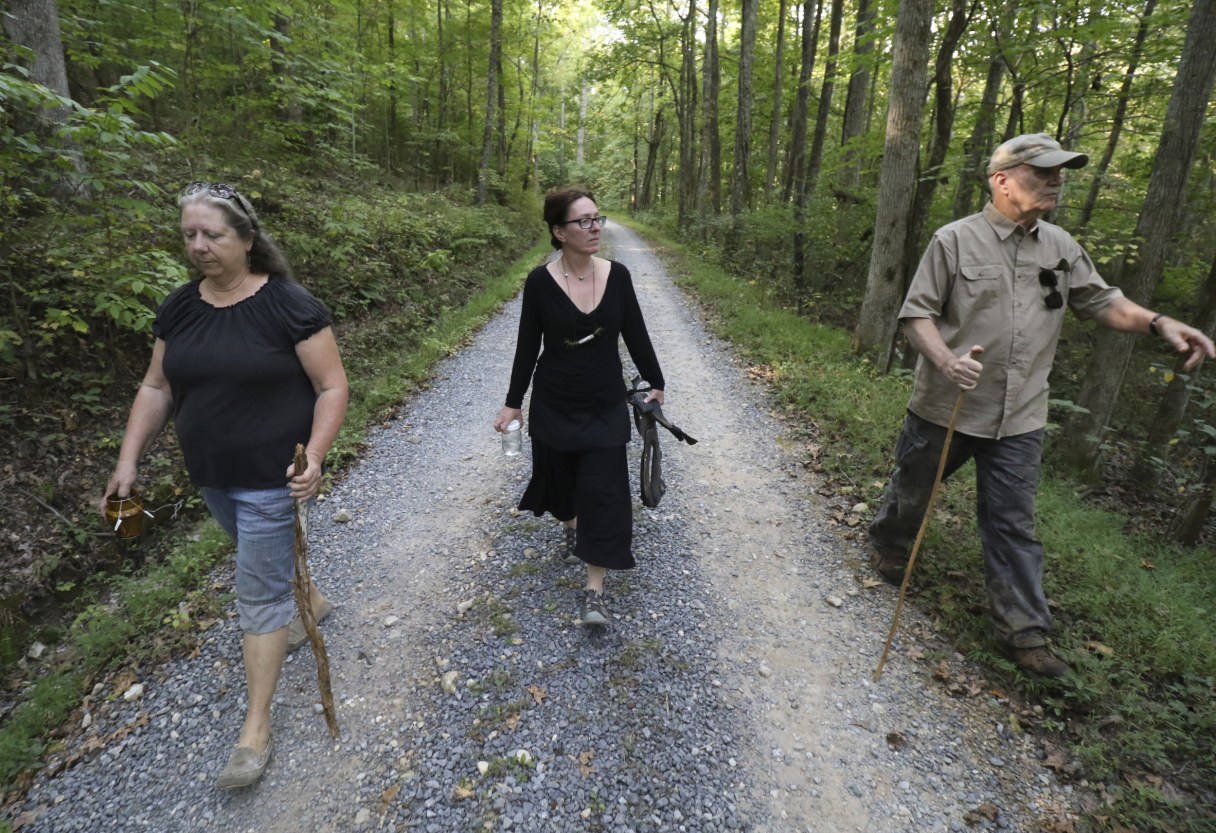
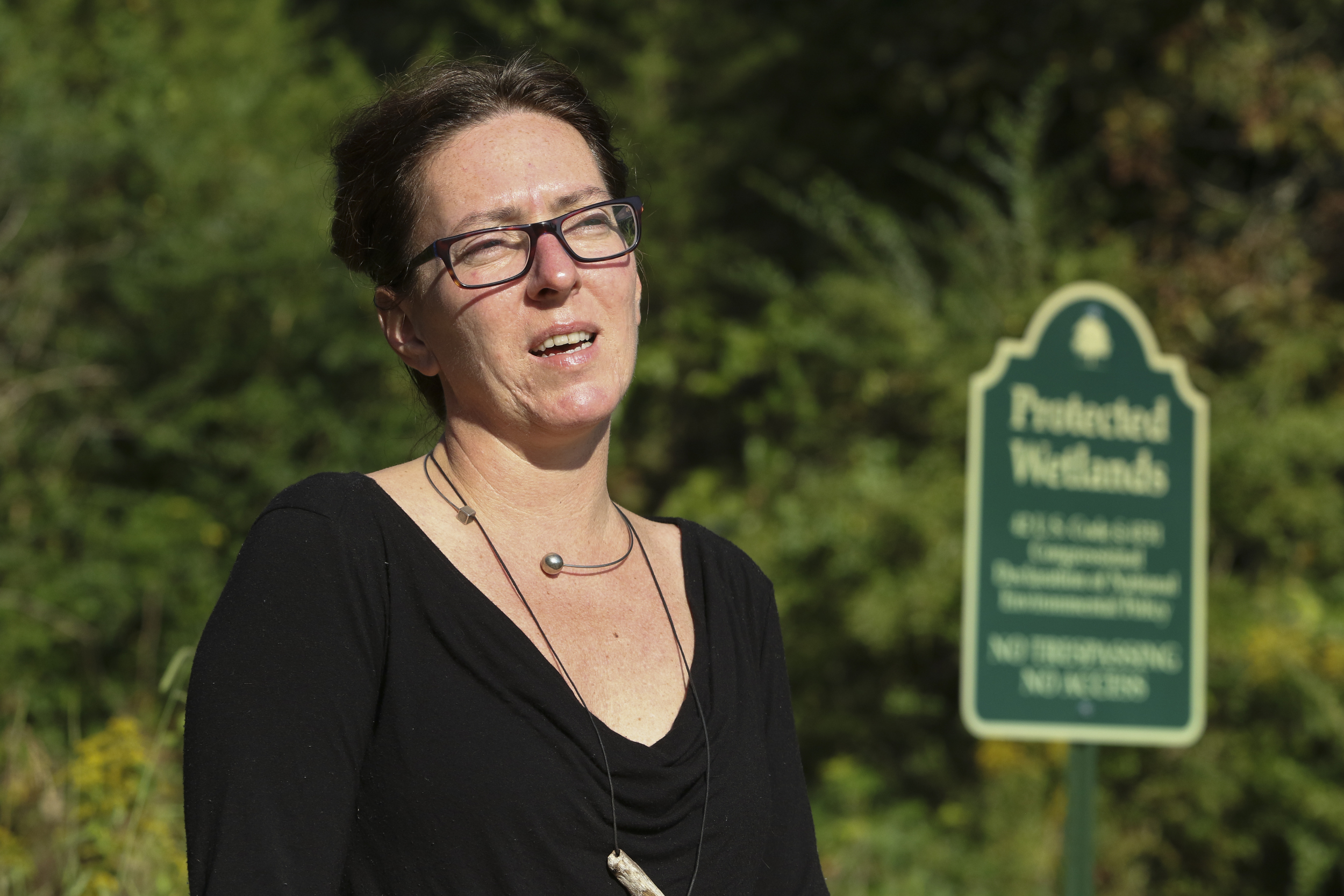
Last Monday, after a slew of phone calls and emails for almost three months, McLemore’s Cove resident Stephanie Everett met with representatives of North Georgia EMC, hoping to explain one last time why she doesn’t want workers to tear down the plants that are growing on her family farm.
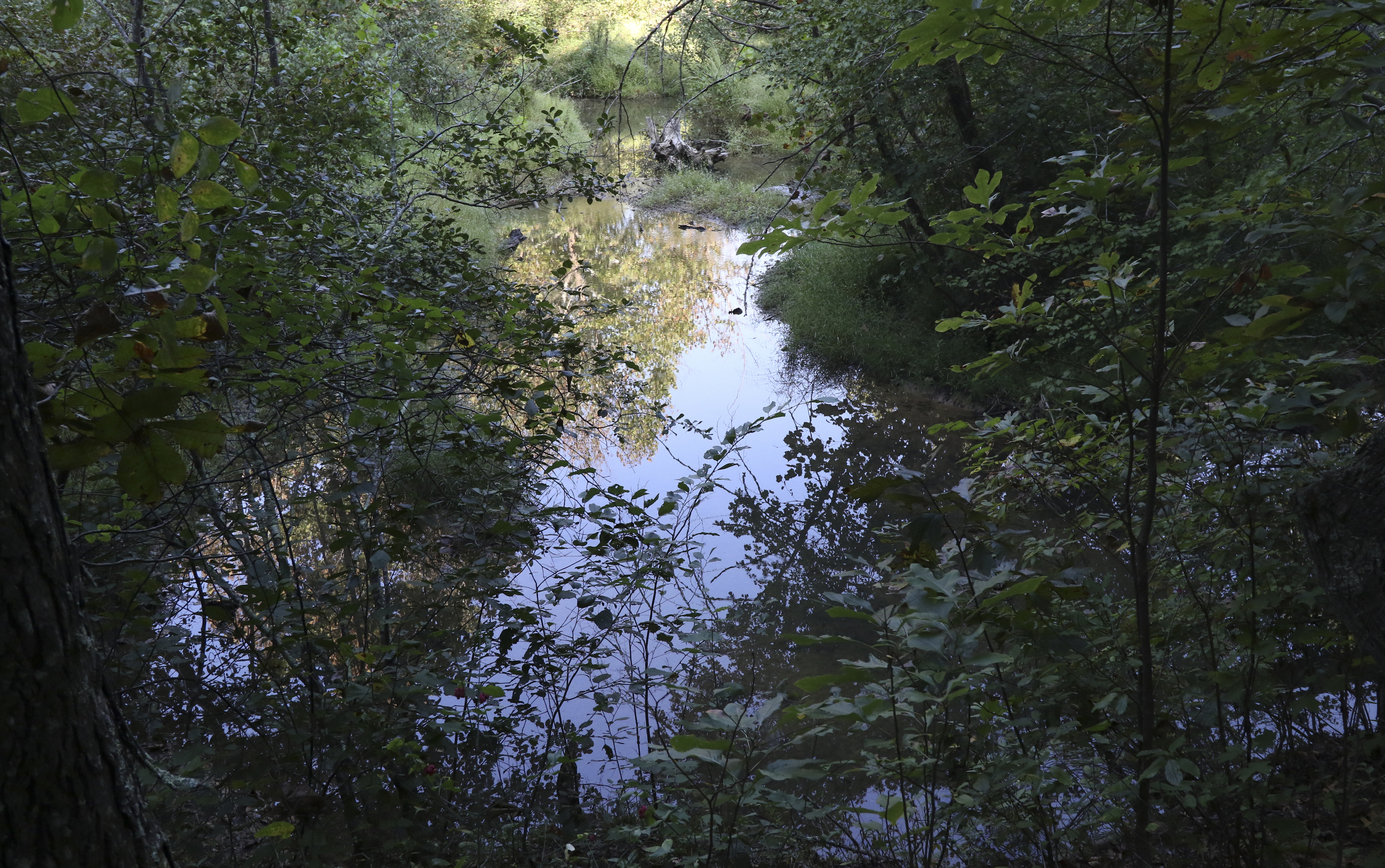
On the numerous occasions when workers have showed up to clear land to put in new, taller power poles behind her home, she told them they couldn’t clear the plants, that they were in wetlands, 4 feet from a tributary.
She told them wiping out the plants would be bad for the environment. She is unsure whether a federal agency has declared her property protected, though a spokesperson for the Georgia Department of Natural Resources called the area a wetland.
Stephanie Holder, vice president of member services at North Georgia EMC, said after last week’s meeting that the corporation wants to protect the environment, too. Georgia law gives the corporation the right-of-way for power lines, meaning they can prune branches or other vegetation that is encroaching on the lines.
“We understand and respect the wetland,” she said. “We’re trying to work with her to make some reasonable access to the [power] poles.”
Like workers for any other electric corporation, North Georgia EMC representatives need to manage the plants around their power lines. Holder said letting the branches of tall trees tangle with the lines causes power outages.
Two lines run out of a pole. The top one is the primary line, and the lower one is the neutral line. If a tree branch is touching both of those lines at the same time, the electricity will run from the line down the branch and into the tree, because trees conduct electricity.
When that happens, Holder said, a “fault” is created across the line. The fault carries back to a switch, which opens and the power stops working.
But Stephanie Everett objects to the methods she believes the tree cutters will use to install the taller power poles. She thinks they are going to destroy too much of the vegetation in the wetlands. Taking out the plants will wipe out homes for some reptiles and other animals, she said.
At the meeting last week, Stephanie Holder said the corporation will find a way to put in the new poles and protect the most vegetation possible. She isn’t yet sure what the best solution is.
“That’s quite a task,” she said after touring the wetlands.
She also isn’t sure why tree cutters continually came back to Stephanie Everett’s property for the last three months, even when the corporation hadn’t found the best solution to the problem.
Stephanie Everett said her family has owned the farm in McLemore’s Cove for 99 years. At one point, they had about 400 acres. She and her fiancé moved here in 2011 from San Francisco to build a new life, and they became organic farmers.
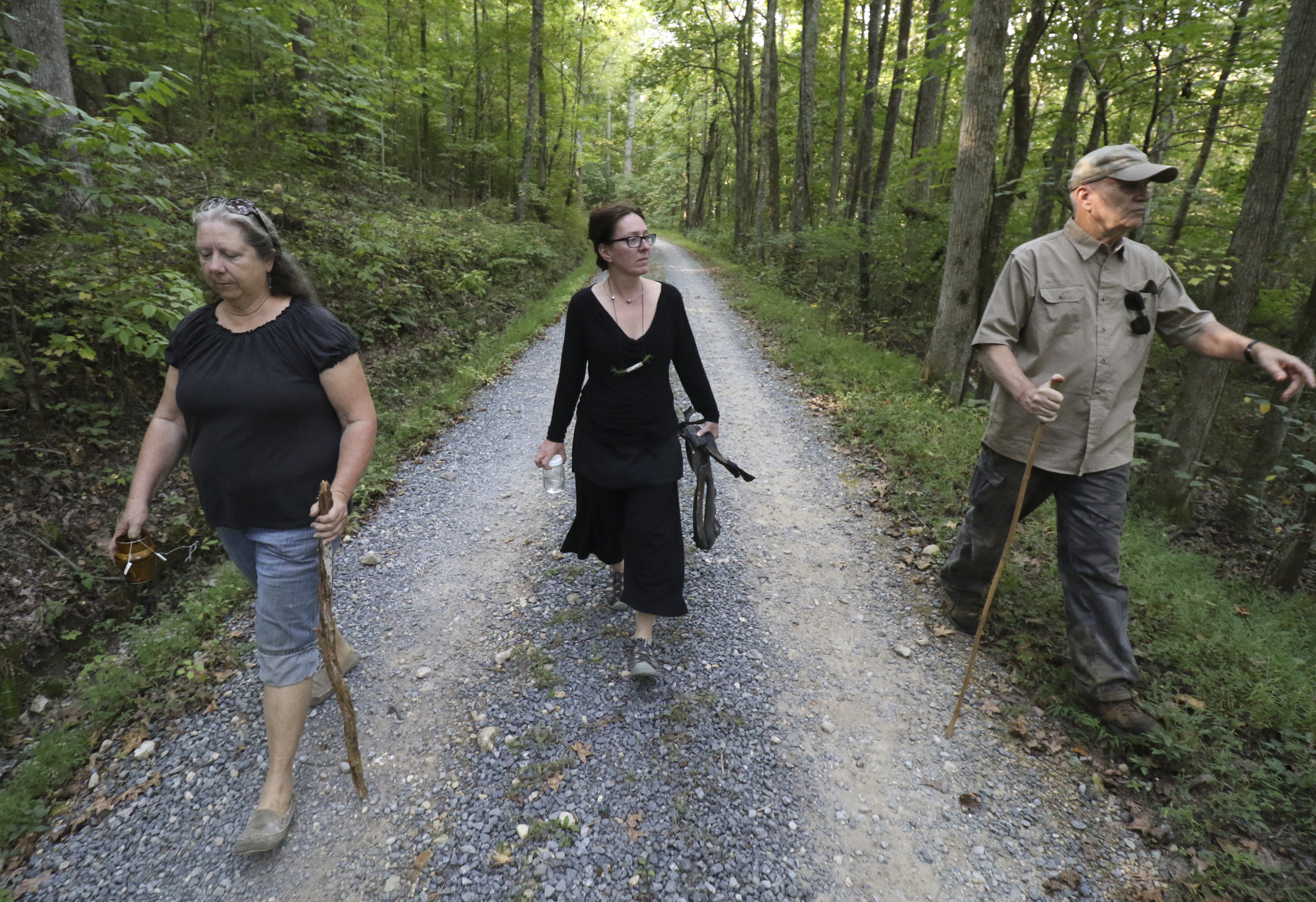
Jay Clark, a retired local science teacher who wrote “Wildflowers of Pigeon Mountain,” said the wetlands are important to the environment in Walker County. Creek water flows into this location from several directions, he said. Deposits also drift here off the mountain, forming loam – a fertile soil made of clay and sand.
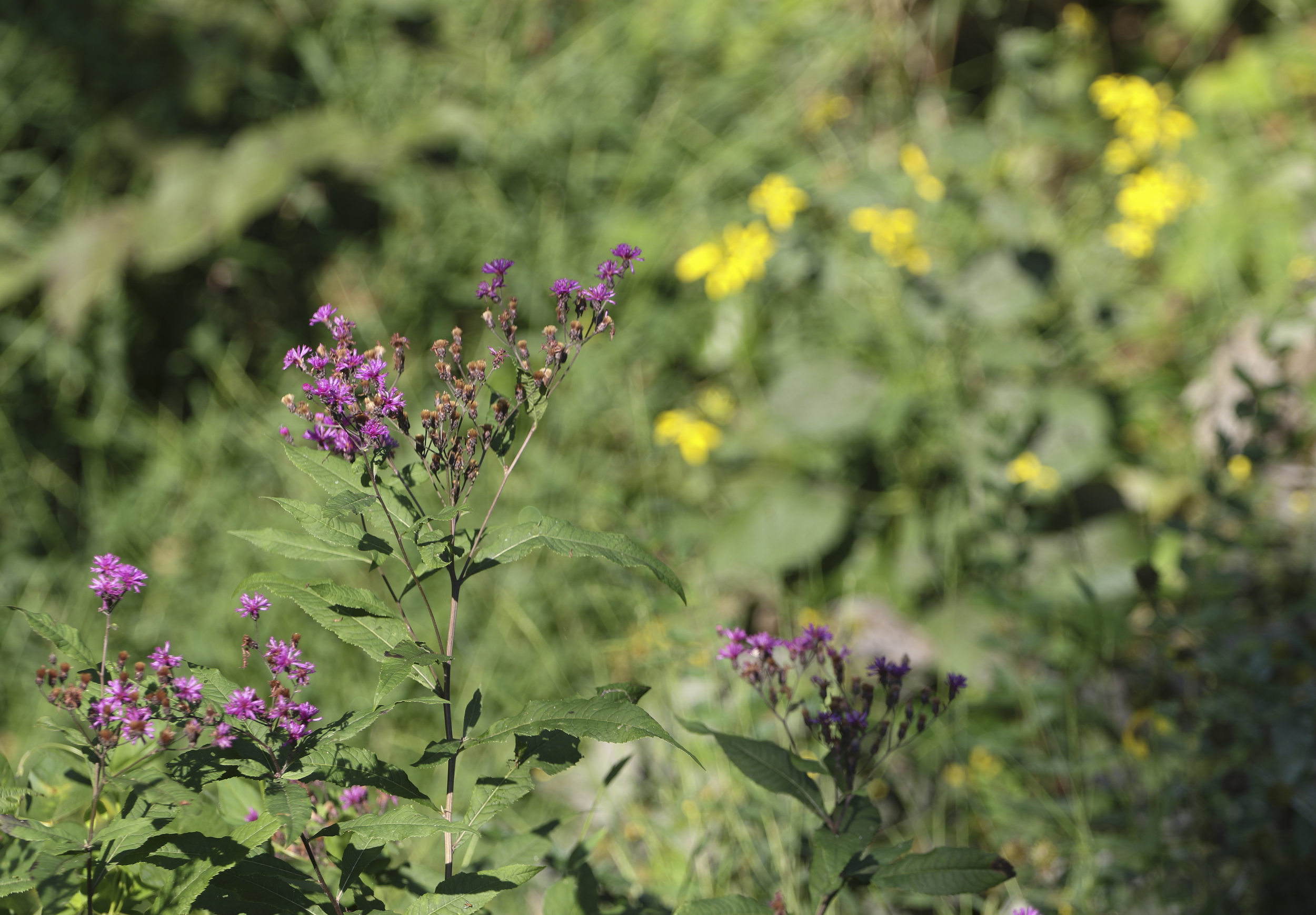
That all creates a welcoming environment for plants to grow: Ironweeds and Swamp Dogwoods and Cardinal Flowers, among others. Likewise, Clark said, the vegetation attracts frogs, minnows and songbirds. He said deer bring their fawns to the wetlands because the vegetation cloaks them from predators.
A spokesperson for the Georgia Department of Natural Resources said there are no known endangered species in the area. But Clark argued the environment still needs to be protected.
“You have to go for miles to find this much [plant] diversity in such a small spot,” he said. “It’s really a critical habitat.”
Down the street from Stephanie Everett, a neighbor said he also had problems with tree cutters for North Georgia EMC this month. Rick Owens was out of town for work at the beginning of September when some contractors cleared cedar and walnut trees that lined his driveway.
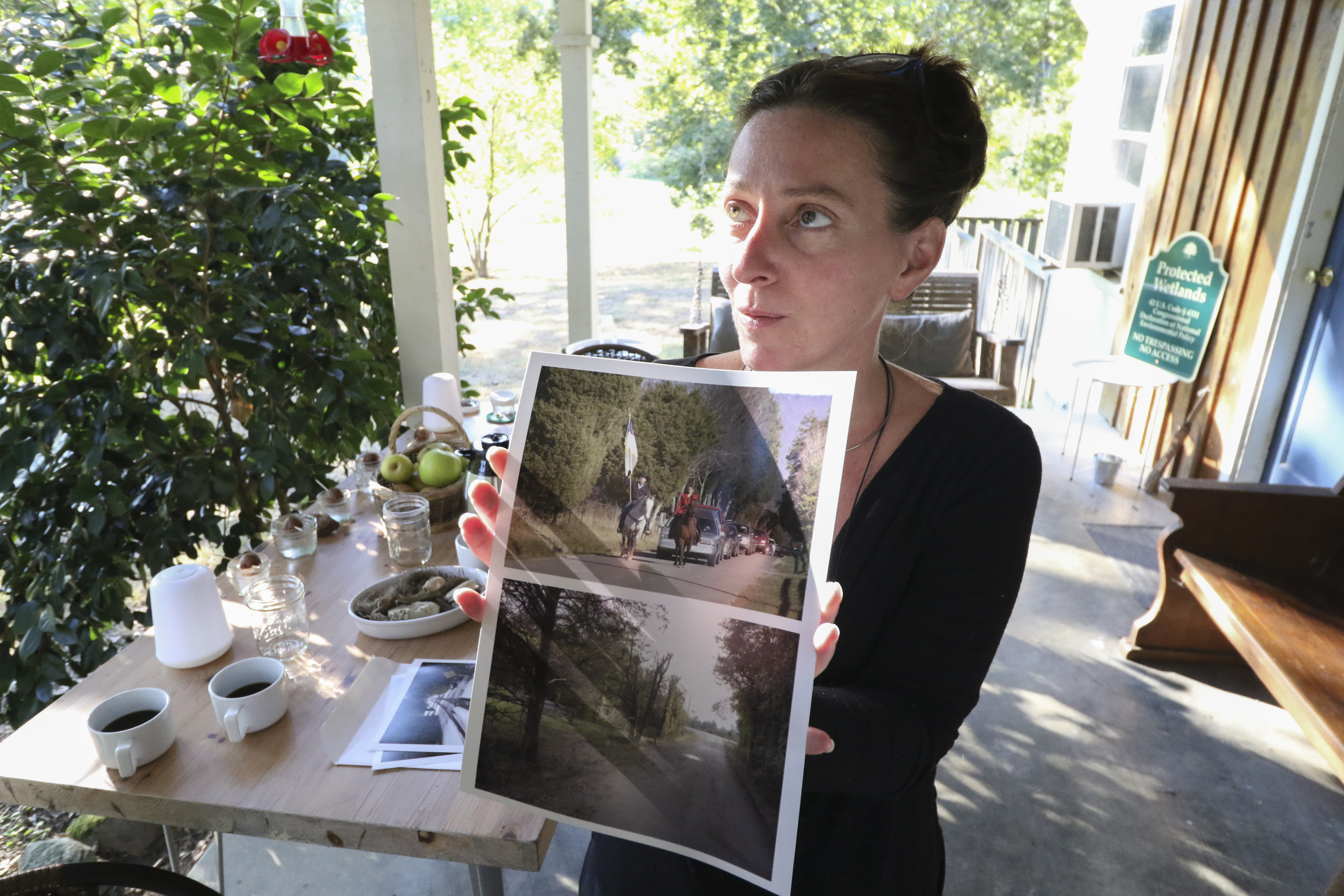
Owens, a photographer for The Chattanooga Times until 1992, said the trees had been there since he moved into McLemore’s Cove about 30 years ago. The branches drooped over his driveway from both sides, and he felt like he was driving through a tunnel when he entered his property.
Trimmers for the power corporation had cut back branches several times before, Owens said. But this time, they cut the branches back several feet, leaving stumps. Now, he said, his yard looks naked.
“They come in, they destroy it, and they’re gone,” he said. “Then they leave me to look at this for 10 years, maybe 15. It’s just like starting all over again.”
Last Monday morning, North Georgia EMC employees apologized to Owens.
Email Tyler Jett at tjett@timesfreepress.com.