
Friday, October 30, 2026Oct 30

This story is free to read.

The most dominant force at the Olympics? Wind

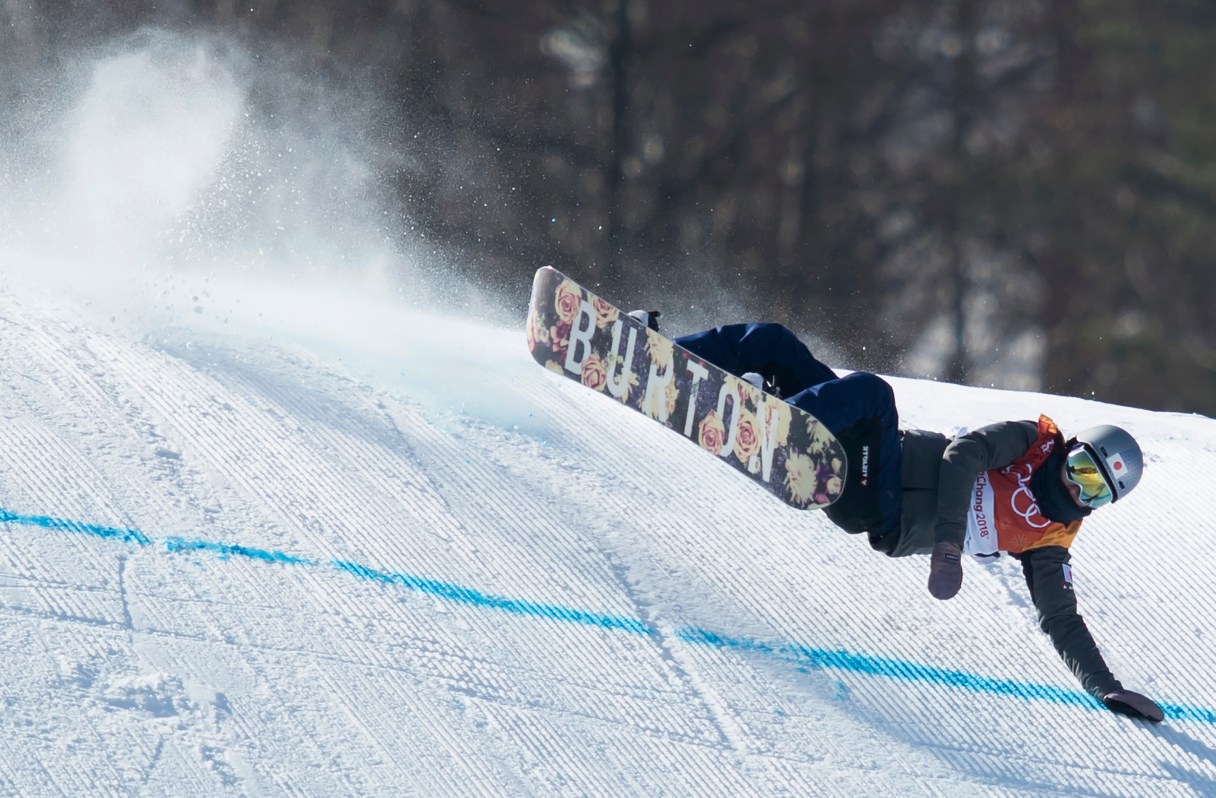
Miyabi Onitsuka of Japan crashes during the women's slopestyle final at Phoenix Snow Park during the 2018 Winter Olympics in Pyeongchang, South Korea. The qualifying event was canceled because of high winds, and athletes either crashed or gave up in 41 out of 50 runs in the final. (Jonathan Hayward/The Canadian Press via AP)
Miyabi Onitsuka of Japan crashes during the women's slopestyle final at Phoenix Snow Park during the 2018 Winter Olympics in Pyeongchang, South Korea. The qualifying event was canceled because of high winds, and athletes either crashed or gave up in 41 out of 50 runs in the final. (Jonathan Hayward/The Canadian Press via AP) Miyabi Onitsuka of Japan crashes during the women's slopestyle final at Phoenix Snow Park during the 2018 Winter Olympics in Pyeongchang, South Korea. The qualifying event was canceled because of high winds, and athletes either crashed or gave up in 41 out of 50 runs in the final. (Jonathan Hayward/The Canadian Press via AP)

PYEONGCHANG, South Korea – The first sign that wind might be a prevalent factor at these Winter Olympics was visible across the top of the mountains. Giant wind turbines dot the highest ridges, like candles on a cake.

The second might have been that a nearby village, a quaint tourist attraction with sledding and sleigh rides, is called Uiyaji Wind Village. “The sight of windmills standing high above the frozen plain are a sight to remember,” according to a page on the official Pyeongchang Games website.

And then there was the literature from the organizing committee, boasting that these Olympics would be completely powered by nearby wind farms.

So it should have been no surprise when the wind took a silent, starring role at these Olympics, rivaling Chloe Kim and the North Korean cheerleading squad. It is an invisible but persistent disrupter, wreaking havoc on everything from the schedule of the Alpine ski events to the tents and other temporary structures surrounding the ice arenas near the coast.

Wind. Who could see it coming?