
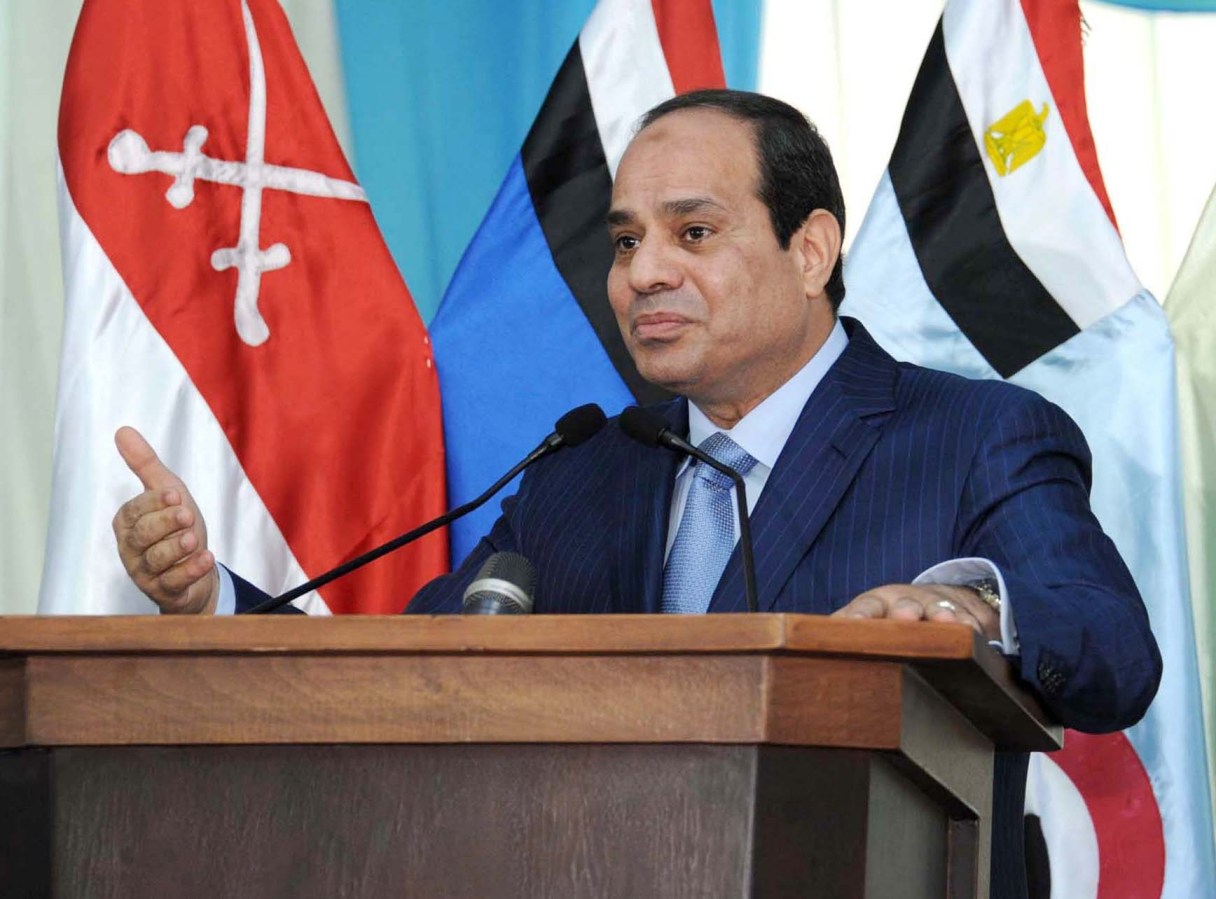
CAIRO (AP) – Egypt’s human rights record came under harsh criticism during a U.N. review Wednesday, with the United States and European nations urging President Abdel-Fattah el-Sissi’s government to reverse tough measures enacted following last year’s overthrow of his Islamist predecessor that have clamped down on freedoms.
The damning assessment came during the first U.N. review of the country’s human rights record since the 2011 uprising that toppled long-ruling autocrat Hosni Mubarak. The uprising was led by youthful activists hoping for a more democratic future, but rights groups say today’s government is even more oppressive, having enacted draconian curbs on protests and political activity and jailed thousands of Islamist and secular opponents.
“We are deeply concerned with steps taken by Egypt that have resulted in violations of freedoms of expression, peaceful assembly and association, deprived thousands of Egyptians of fair trial guarantees, and undermined civil society’s role in the country,” U.S. Ambassador Keith Harper told the Geneva-based U.N. Human Rights Council.
Harper called for the release of political prisoners and urged Egypt to “investigate excessive use of force by security forces, publicly release findings, and prosecute those identified as being responsible.”
Hundreds of protesters have been killed during clashes with security forces under the transitional military leadership following the popular uprising that toppled Mubarak, as well as since the first democratically elected president, Mohammed Morsi, took office in 2012. The violence only intensified when the military overthrew Morsi following mass protests against him last year, with security forces violently breaking up demonstrations by Islamists denouncing his removal. Hundreds were killed over a few days in the summer of 2013.