
Monday, November 9, 2026Nov 9

UN: Zika remains global emergency, virus still spreading

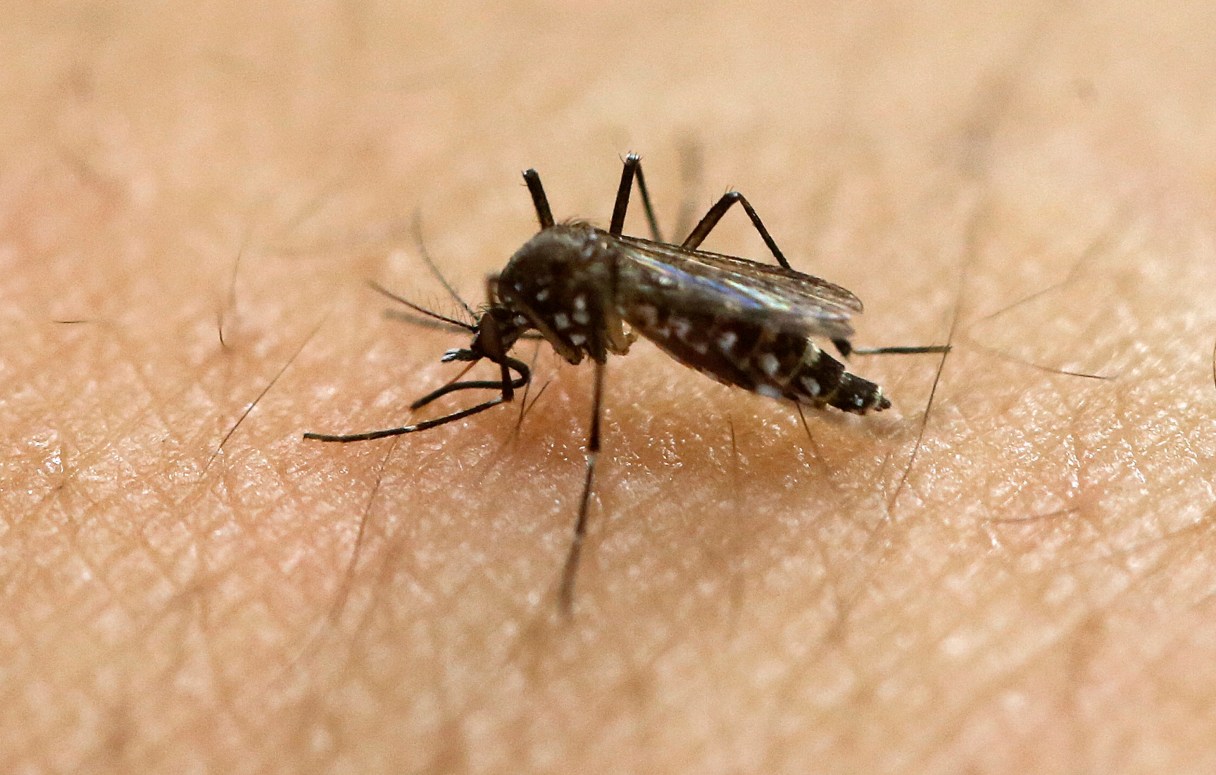
FILE - In this Jan. 18, 2016, file photo, a female Aedes aegypti mosquito, known to be a carrier of the Zika virus, acquires a blood meal on the arm of a researcher at the Biomedical Sciences Institute of Sao Paulo University in Sao Paulo, Brazil.  The World Health Organization said Friday Sept. 2, 2016, that the outbreak of Zika remains an international health emergency and noted the virus is continuing to infect new countries. (AP Photo/Andre Penner, File)
FILE - In this Jan. 18, 2016, file photo, a female Aedes aegypti mosquito, known to be a carrier of the Zika virus, acquires a blood meal on the arm of a researcher at the Biomedical Sciences Institute of Sao Paulo University in Sao Paulo, Brazil. The World Health Organization said Friday Sept. 2, 2016, that the outbreak of Zika remains an international health emergency and noted the virus is continuing to infect new countries. (AP Photo/Andre Penner, File) FILE - In this Jan. 18, 2016, file photo, a female Aedes aegypti mosquito, known to be a carrier of the Zika virus, acquires a blood meal on the arm of a researcher at the Biomedical Sciences Institute of Sao Paulo University in Sao Paulo, Brazil. The World Health Organization said Friday Sept. 2, 2016, that the outbreak of Zika remains an international health emergency and noted the virus is continuing to infect new countries. (AP Photo/Andre Penner, File)

GENEVA (AP) – The World Health Organization says the outbreak of Zika remains an international health emergency and that while the virus continues to hit new countries, experts still aren’t sure how big the risk is that pregnant women who catch the virus will give birth to brain-damaged babies.

The U.N. health agency convened its expert committee this week to assess the latest status of the epidemic.

Dr. David Heymann, the committee’s chair, said Friday that considerable gaps remain in understanding Zika and the complications it causes – including babies with serious neurological problems – and WHO concluded that the outbreak remains a global emergency.

“This extraordinary event is rapidly becoming, unfortunately, an ordinary event,” Heymann said, explaining that health officials around the world should prepare for the imminent arrival of the disease spread mostly by mosquitoes, but also through sex.

In the absence of any effective treatments or vaccines for the disease- and given past failures to wipe out the mosquitoes that mostly spread Zika – Heymann said it will largely be up to individuals to avoid infection.