
Thursday, November 12, 2026Nov 12

Leading civil rights reporter Claude Sitton dies at 89

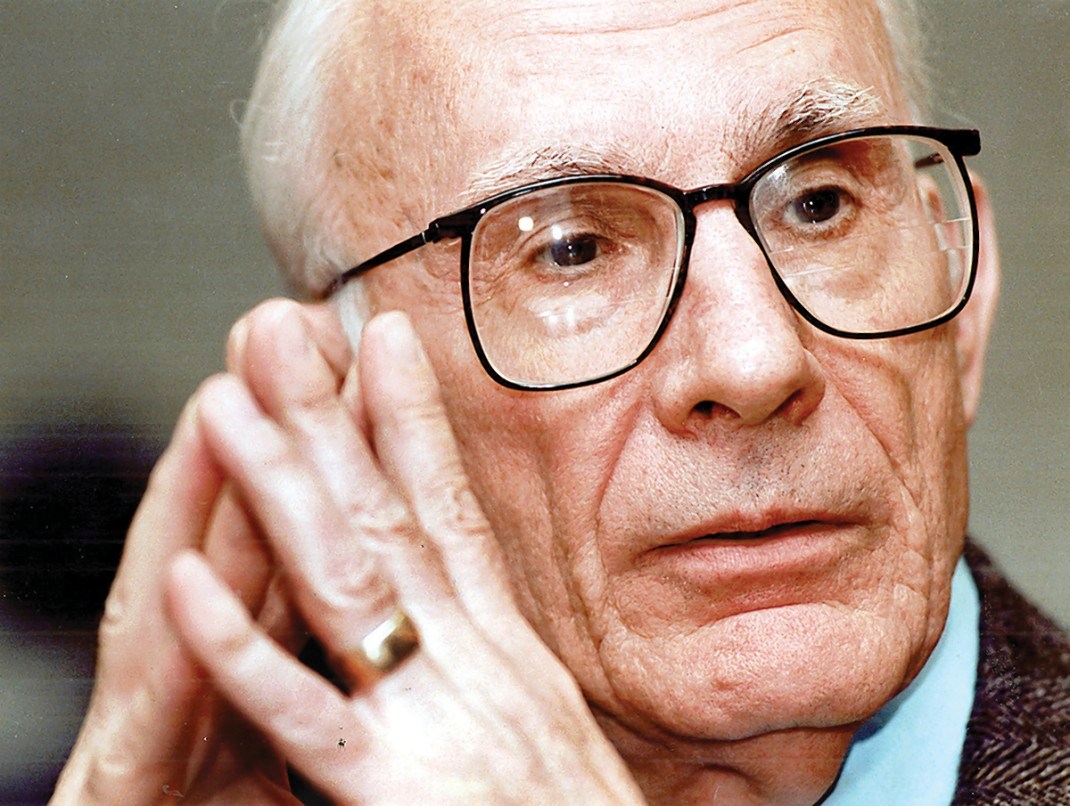
In this Nov. 1, 1990, photo, Claude Sitton, who covered the South for The New York Times in the 1960s, poses for a photo in Atlanta. Sitton, who was a leader among reporters covering the civil rights movement in the South in the 1950s and '60s and later won a Pulitzer Prize for distinguished commentary at The News & Observer, in Raleigh, N.C., died Tuesday, March 10, 2015. He was 89.
In this Nov. 1, 1990, photo, Claude Sitton, who covered the South for The New York Times in the 1960s, poses for a photo in Atlanta. Sitton, who was a leader among reporters covering the civil rights movement in the South in the 1950s and '60s and later won a Pulitzer Prize for distinguished commentary at The News & Observer, in Raleigh, N.C., died Tuesday, March 10, 2015. He was 89. In this Nov. 1, 1990, photo, Claude Sitton, who covered the South for The New York Times in the 1960s, poses for a photo in Atlanta. Sitton, who was a leader among reporters covering the civil rights movement in the South in the 1950s and '60s and later won a Pulitzer Prize for distinguished commentary at The News & Observer, in Raleigh, N.C., died Tuesday, March 10, 2015. He was 89.

ATLANTA — In a 1962 article, New York Times reporter Claude Sitton described a voting rights meeting at a south Georgia church that was interrupted when the sheriff and his deputies entered, demanding information. One smacked his heavy flashlight into his palm while another ran his hand over his cartridge belt and revolver.

Sitton opened his account with a direct quote from the sheriff: “We want our colored people to go on living like they have for the last 100 years.”

After reading Sitton’s front-page report in The Times, then-Attorney General Robert Kennedy dispatched a team to Terrell County, Georgia. They sued the sheriff less than two weeks later, according to journalist Hank Klibanoff, who co-authored “The Race Beat: The Press, the Civil Rights Struggle and the Awakening of a Nation.”

Sitton, who set the pace for reporters covering the civil rights movement in the American South in the 1950s and ’60s and later won a Pulitzer Prize for distinguished commentary, died Tuesday. He was 89.

Sitton’s son Clint confirmed the death. Sitton had been under hospice care with heart failure.