
Friday, November 13, 2026Nov 13

Years of research laid groundwork for speedy COVID-19 shots

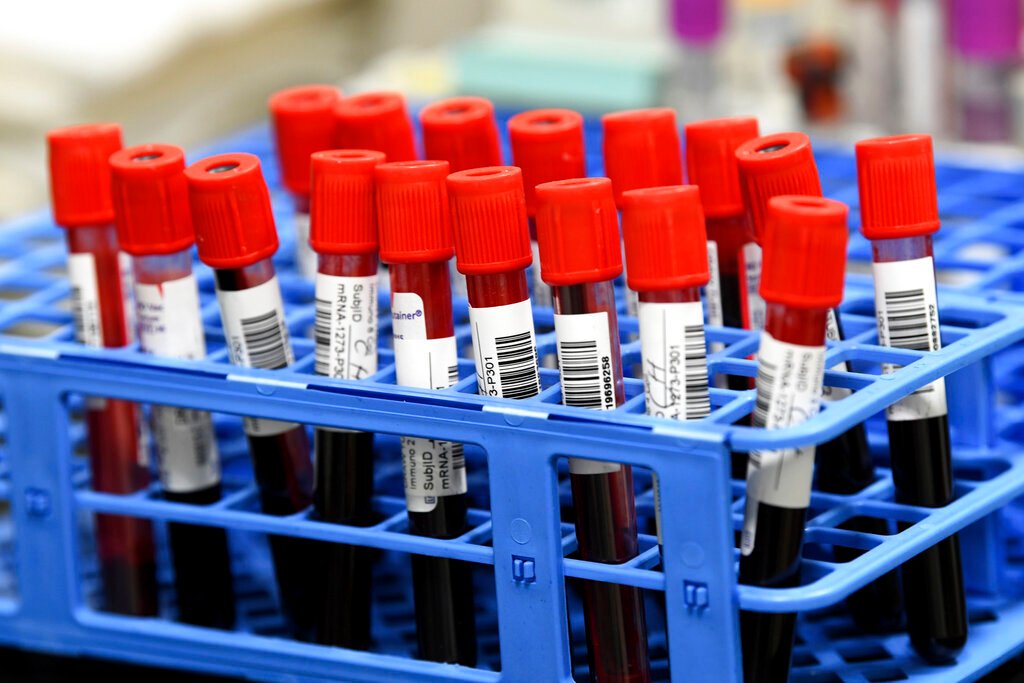
In this Wednesday, Sept. 2, 2020 file photo, blood samples from volunteers participating in the last-stage testing of the COVID-19 vaccine by Moderna and the National Institutes wait to be processed in a lab at the University of Miami Miller School of Medicine in Miami. Creating vaccines and properly testing them less than a year after the world discovered a never-before-seen disease is incredible. But the two U.S. frontrunners are made in a way that promises speedier development may become the norm -- especially if they prove to work long-term as well as they have in early testing. (AP Photo/Taimy Alvarez, File)
In this Wednesday, Sept. 2, 2020 file photo, blood samples from volunteers participating in the last-stage testing of the COVID-19 vaccine by Moderna and the National Institutes wait to be processed in a lab at the University of Miami Miller School of Medicine in Miami. Creating vaccines and properly testing them less than a year after the world discovered a never-before-seen disease is incredible. But the two U.S. frontrunners are made in a way that promises speedier development may become the norm -- especially if they prove to work long-term as well as they have in early testing. (AP Photo/Taimy Alvarez, File) In this Wednesday, Sept. 2, 2020 file photo, blood samples from volunteers participating in the last-stage testing of the COVID-19 vaccine by Moderna and the National Institutes wait to be processed in a lab at the University of Miami Miller School of Medicine in Miami. Creating vaccines and properly testing them less than a year after the world discovered a never-before-seen disease is incredible. But the two U.S. frontrunners are made in a way that promises speedier development may become the norm -- especially if they prove to work long-term as well as they have in early testing. (AP Photo/Taimy Alvarez, File)

How could scientists race out COVID-19 vaccines so fast without cutting corners? A head start helped — over a decade of behind-the-scenes research that had new vaccine technology poised for a challenge just as the coronavirus erupted.

“The speed is a reflection of years of work that went before,” Dr. Anthony Fauci, the top U.S. infectious disease expert, told The Associated Press. “That’s what the public has to understand.”

Creating vaccines and having results from rigorous studies less than a year after the world discovered a never-before-seen disease is incredible, cutting years off normal development. But the two U.S. frontrunners are made in a way that promises speedier development may become the norm — especially if they prove to work long-term as well as early testing suggests.

“Abject giddiness,” is how Dr. C. Buddy Creech, a Vanderbilt University vaccine expert, described scientists’ reactions when separate studies showed the two candidates were about 95% effective.

“I think we enter into a golden age of vaccinology by having these types of new technologies,” Creech said at a briefing of the Infectious Diseases Society of America.