
 Billy Holland
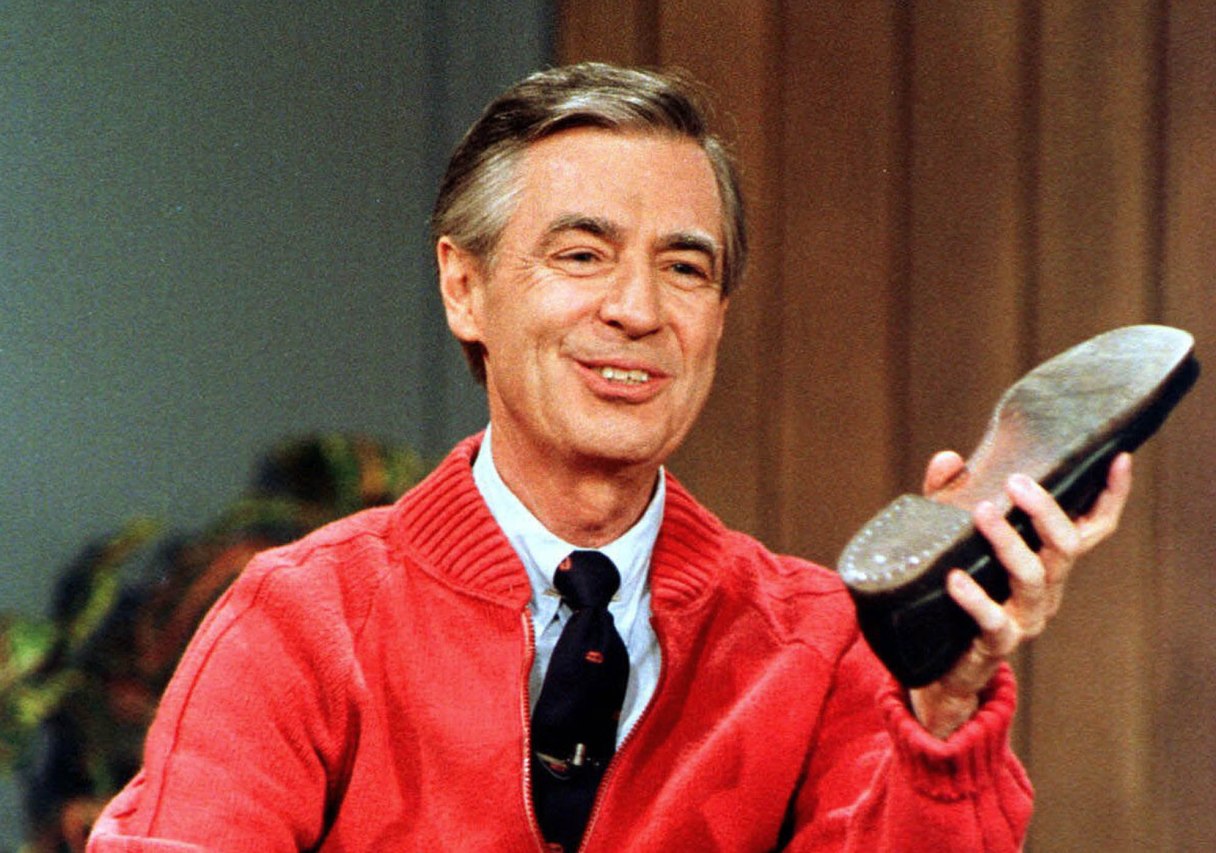
I’m sure that many of you remember the man who portrayed the friendly neighbor in a popular children’s program he created, making him known all over the world as “Mr. Rogers.” Who can forget the childlike song that asked the question, “Won’t you be my neighbor?” With the macho crowd, he was labeled a sissy and downright creepy, but to children, he was always a nice, polite and comforting role model.
There have been many false accusations about him through the years, like the rumors about him having to wear long-sleeve sweaters to hide his offensive tattoos. But these have all been proven to be nothing more than overactive imaginations and a display of how cruel our human nature can be. How sad to witness the moral convictions of our society falling so far away from God’s standards that when someone is acting normal, the world believes they are weird.
This reminds me of the Scripture found in Isaiah Chapter 5 that warns, “Woe unto them that call evil good, and good evil; that exchange darkness for light, and light for darkness; that trade bitter for sweet, and sweet for bitter.” Unfortunately, this is another example of how the harsh attitudes of the oppressors are always seeking to bully and criticize decent individuals who are trying to make the world a better place.
Actually, most of this negativity can be explained when we realize his presentation was never intended to impress or entertain adults. His focus and passion were completely dedicated to providing an honest and wholesome ministry to children. He did not care about what people were saying; he was grateful to be communicating with the young ones and took his responsibility very seriously. Apparently, he was not trying to become famous or a television star. He was just using the broadcast as a vehicle to reach more children.
He designed “Mister Rogers’ Neighborhood” as an outreach ministry to the world and extension of his service for Christ. The show began in 1968 and filmed 895 episodes before ending in the year 2000. He is quoted saying, “I went into television because I was convinced there was some way of using this fabulous instrument of technology to help nurture those who would watch and listen.”