
Saturday, October 31, 2026Oct 31

This story is free to read.

Interracial couples still face strife 50 years after Loving

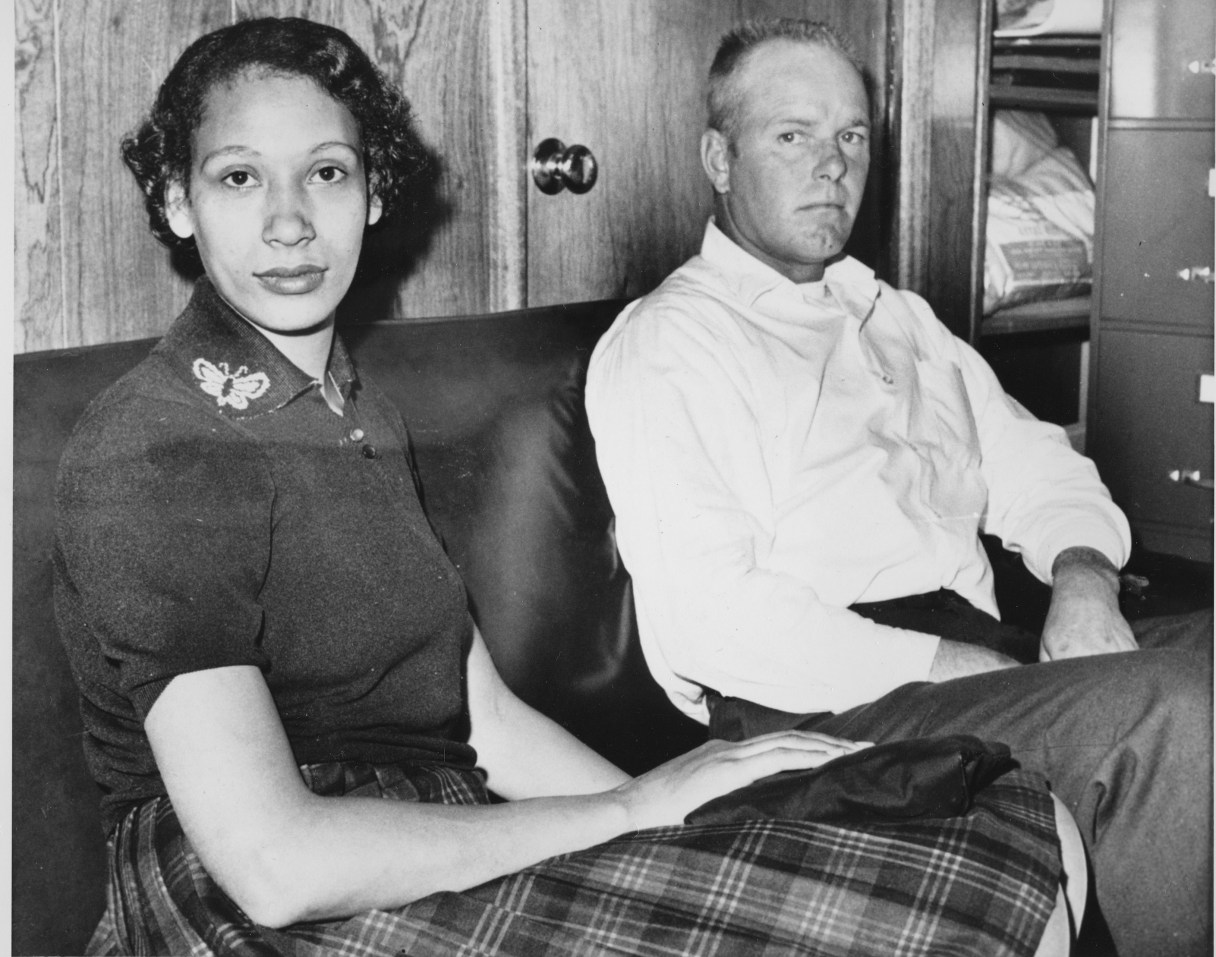
This Jan. 26, 1965 file photo shows Mildred Loving and her husband Richard P Loving.  Fifty years after Mildred and Richard Loving’s landmark legal challenge shattered the laws against interracial marriage in the U.S., some couples of different races still talk of facing discrimination, disapproval and sometimes outright hostility from their fellow Americans.  (AP Photo)
This Jan. 26, 1965 file photo shows Mildred Loving and her husband Richard P Loving. Fifty years after Mildred and Richard Loving’s landmark legal challenge shattered the laws against interracial marriage in the U.S., some couples of different races still talk of facing discrimination, disapproval and sometimes outright hostility from their fellow Americans. (AP Photo) This Jan. 26, 1965 file photo shows Mildred Loving and her husband Richard P Loving. Fifty years after Mildred and Richard Loving’s landmark legal challenge shattered the laws against interracial marriage in the U.S., some couples of different races still talk of facing discrimination, disapproval and sometimes outright hostility from their fellow Americans. (AP Photo)

WASHINGTON (AP) – It’s been 50 years since the Supreme Court threw out laws that prohibited interracial marriage in the United States.

But some interracial couples say they still face discrimination and distrust in America from strangers and sometimes their own families.

Interracial marriages became legal nationwide on June 12, 1967, after the Supreme Court threw out a Virginia law used to arrest Mildred and Richard Loving. The Supreme Court’s unanimous decision struck down the Virginia law and similar statutes in roughly one-third of the states.

Currently, 11 million people – or 1 out of 10 married people – in the United States have a spouse of a different race or ethnicity.

But several interracial couples say they still suffer through looks, insults and sometimes even violence when people find out about their relationships.

___

Jesse J. Holland covers race and ethnicity for The Associated Press in Washington. Contact him at jholland@ap.org, on Twitter at http://www.twitter.com/jessejholland or on Facebook at http://www.facebook.com/jessejholland. You can find his work at AP at bit.ly/jessejholland

Associated Press reporter Jessica Gresko in Washington contributed to this story.