
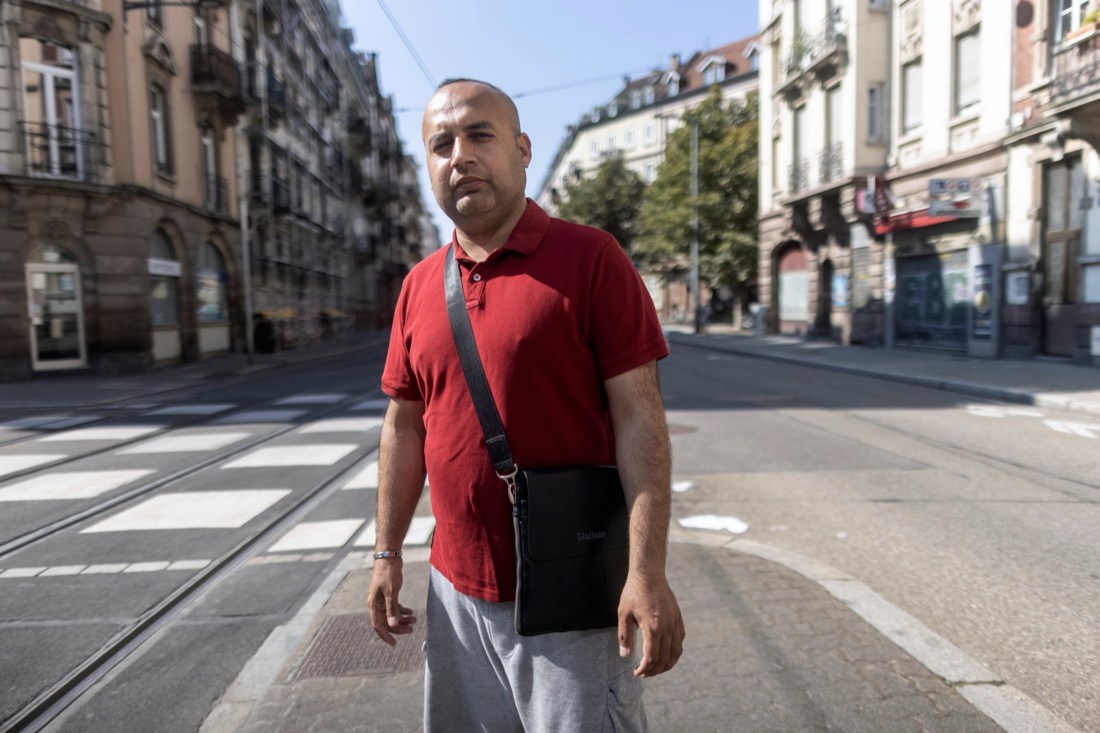
PARIS (AP) – One slept on the streets of Paris, the other in a massive makeshift migrant camp in northern France.
Nassrullah Youssoufi and Abdul Wali were among more than 1 million refugees and migrants who reached Europe in 2015. The two Afghans don’t know each other, but they share a fear-driven past: escaping their homeland on foot, bus, train or ferry and landing in a new country where they had no rights, not even the right to stay.
Years later, the men live in France legally, one working as an asylum court interpreter in the capital and the other at a restaurant in the country’s northeast. They are rich in hard-won experience that offers a road map for arriving Afghans, like the thousands evacuated to the United States, Europe and elsewhere after the Taliban regained control of Kabul last month.
Youssoufi and Wali’s advice: Embrace the differences, love your new life and learn the local language.
For the 124,000 people airlifted out of Afghanistan last month during the U.S.-led evacuation, the most harrowing part of their journey may well have been getting past checkpoints, gunfire and desperate crowds to reach Kabul airport.