
Sunday, November 1, 2026Nov 1

This story is free to read.

The Latest: Copyright infringement case against Jay Z tossed

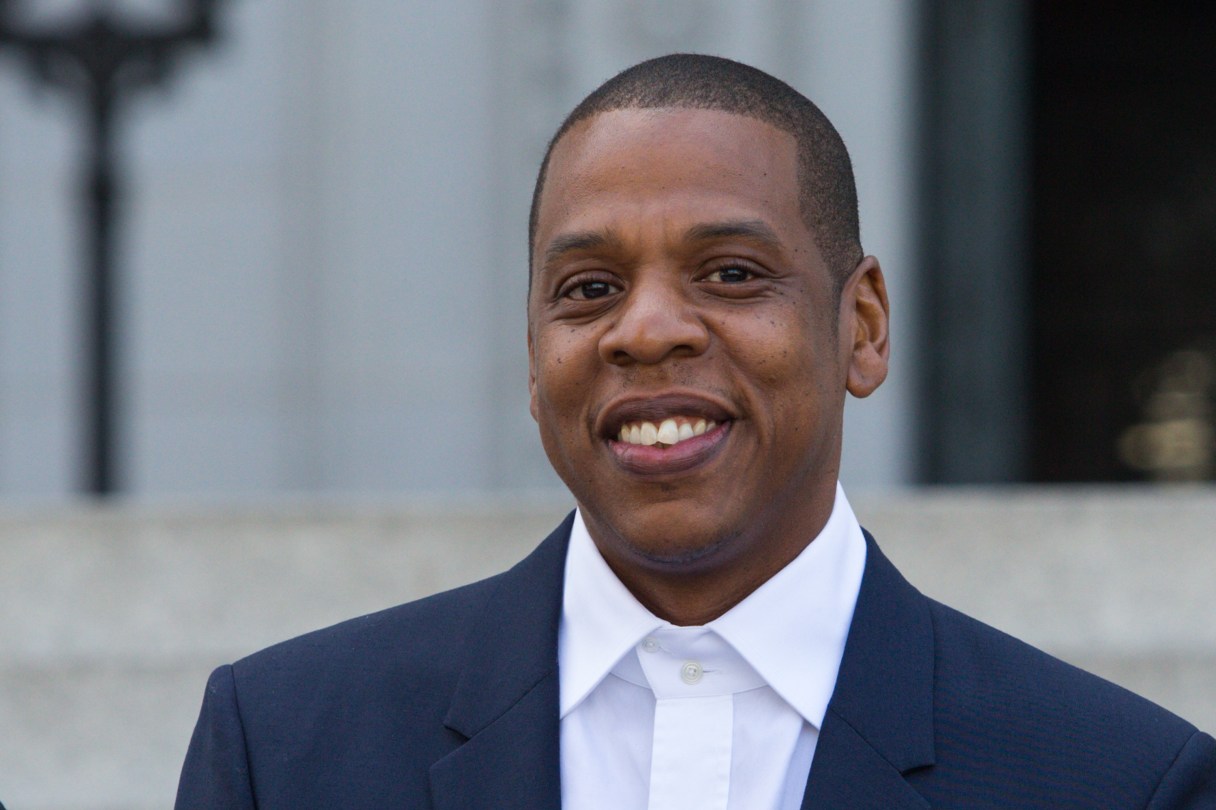
FILE - In this April 16, 2014 file photo, Shawn "Jay Z" Carter announces the Made in America Festival from the steps of City Hall in Los Angeles. Testimony in a copyright infringement trial filed by the heir  of an Egyptian composer against Jay Z over his 1999 hit "Big Pimpin'" concluded in Los Angeles on Tuesday, Oct. 20, 2015.  (Photo by Paul A. Hebert/Invision/AP, File)
FILE - In this April 16, 2014 file photo, Shawn "Jay Z" Carter announces the Made in America Festival from the steps of City Hall in Los Angeles. Testimony in a copyright infringement trial filed by the heir of an Egyptian composer against Jay Z over his 1999 hit "Big Pimpin'" concluded in Los Angeles on Tuesday, Oct. 20, 2015. (Photo by Paul A. Hebert/Invision/AP, File) FILE - In this April 16, 2014 file photo, Shawn "Jay Z" Carter announces the Made in America Festival from the steps of City Hall in Los Angeles. Testimony in a copyright infringement trial filed by the heir of an Egyptian composer against Jay Z over his 1999 hit "Big Pimpin'" concluded in Los Angeles on Tuesday, Oct. 20, 2015. (Photo by Paul A. Hebert/Invision/AP, File)

LOS ANGELES (AP) – The latest on a copyright infringement case against rapper Jay Z (all times local):

10:27 a.m.

A judge has dismissed a copyright infringement case against rapper Jay Z over his 1999 hit “Big Pimpin'” before the case was sent to a jury.

U.S. District Judge Christina A. Snyder ruled Wednesday that the heir of an Egyptian composer didn’t have the right to pursue a copyright infringement claim and the case should be tossed out.

The nephew of Baligh Hamdi, an Egyptian composer whose 1957 song “Khosara Khosara” is partially used in “Big Pimpin’,” sued Jay Z and producer Timbaland. Flute notes that Hamdi composed appear throughout the Jay Z song.

The abrupt end to the case came after the rapper and Timbaland testified about creating the rap hit and their belief that they had valid rights to use the Egyptian song.