
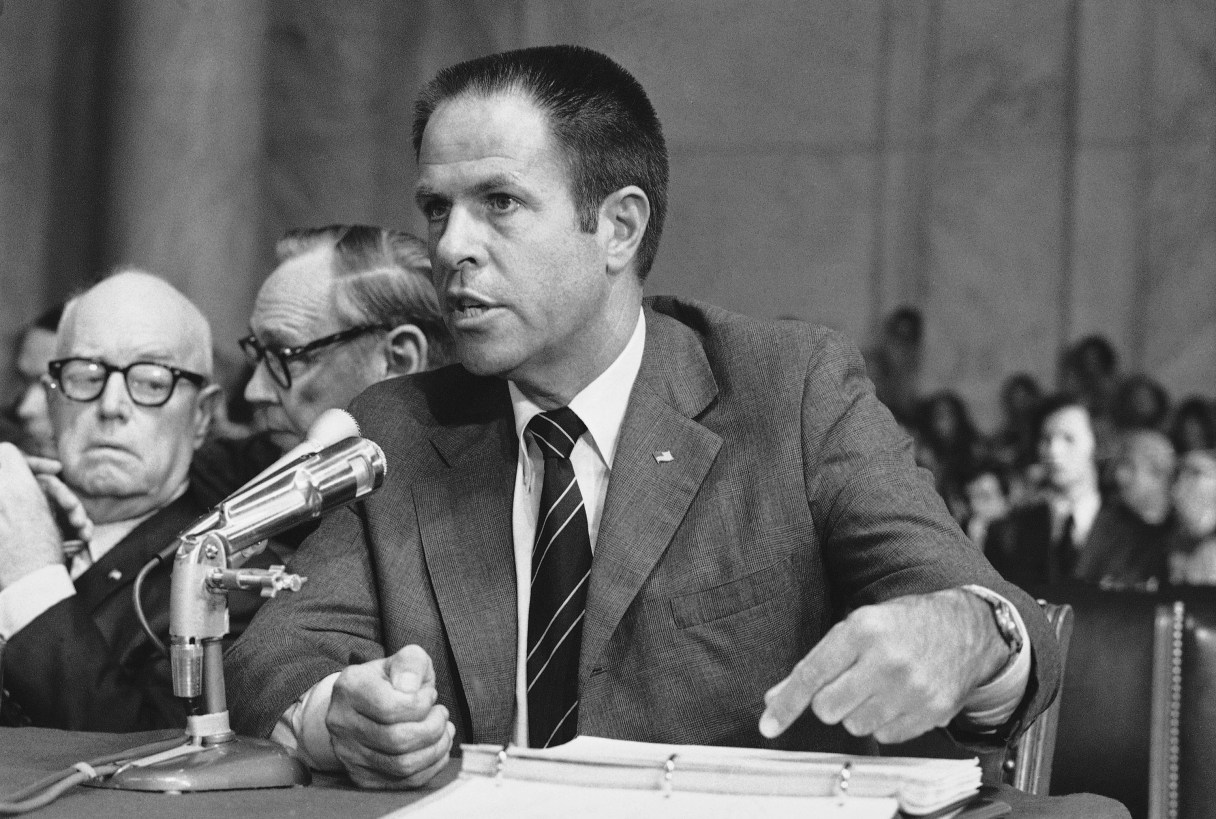
This month marks the 50th anniversary of the break-in at the Democratic National Committee headquarters in the Watergate complex that eventually led to the resignation of President Richard Nixon.
A mostly forgotten aspect of the broader Watergate scandal was the revelation that the Nixon administration conspired to use the federal government’s contracting and grant-making authority to reward supporters, punish enemies and solicit campaign contributions.
Some of those contributions led to indictments under a statute prohibiting federal contractors from making political expenditures. That statute remains in effect today. But, thanks to the Supreme Court’s 2010 Citizens United decision, a contractor can now make unlimited political expenditures without violating the law – and keep it all a secret.
The justification for a contractor contribution ban is that public officials might be tempted to trade contracts for favors.
In a 2015 decision upholding the constitutionality of the federal contractor contribution ban, then-U.S. Circuit Judge Merrick Garland referenced a litany of public corruption cases involving contractors.