
Saturday, October 31, 2026Oct 31

This story is free to read.

Swiss vote to grant new powers to intelligence services

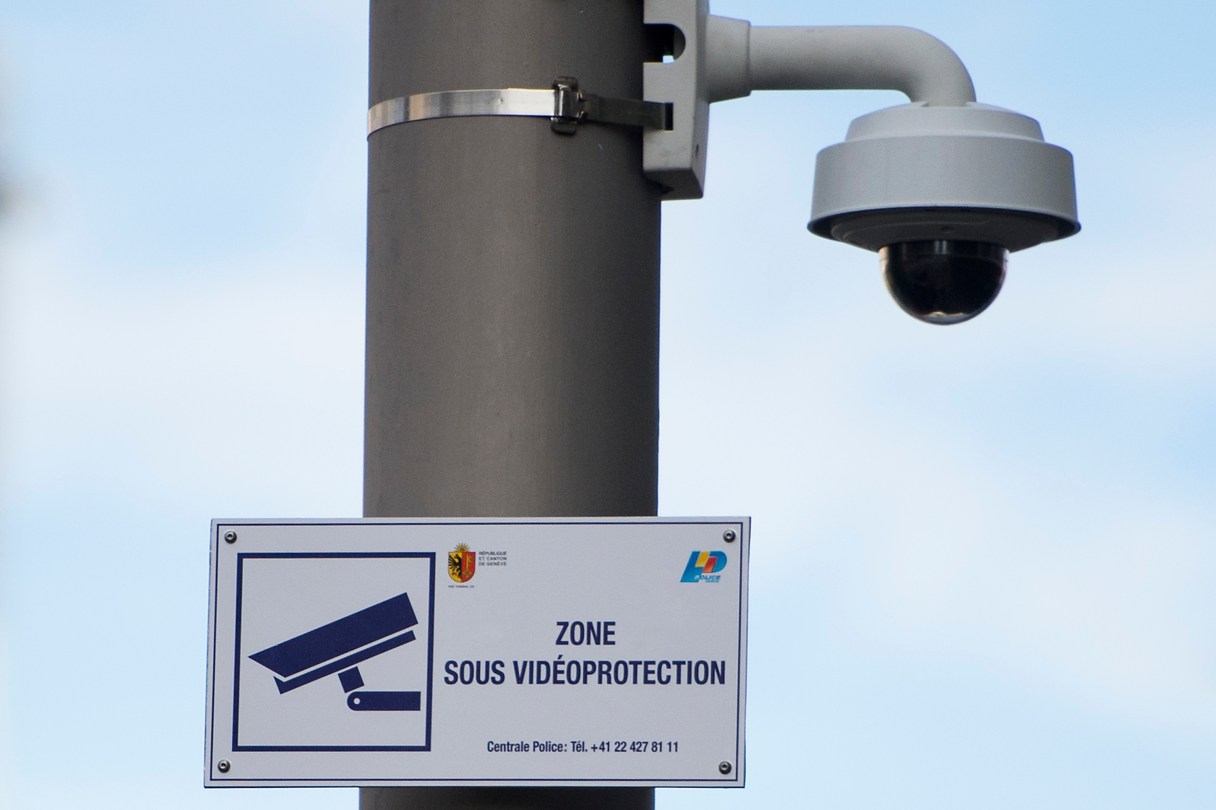
FILE - The Oct. 14, 2014 file photo shows a surveillance camera and a sign indicating the surveillance zone in the neighborhood of Paquis close to the central train station in Geneva, Switzerland. On Sept. 25,  2016 Swiss voters are casting ballots to decide whether to grant new powers to Switzerland's intelligence services, such as tracking internet activity, snooping on email boxes and tapping phones to better fight spies, criminal hackers and violent extremists. (Jean-Christophe Bott/Keystone via AP)
FILE - The Oct. 14, 2014 file photo shows a surveillance camera and a sign indicating the surveillance zone in the neighborhood of Paquis close to the central train station in Geneva, Switzerland. On Sept. 25, 2016 Swiss voters are casting ballots to decide whether to grant new powers to Switzerland's intelligence services, such as tracking internet activity, snooping on email boxes and tapping phones to better fight spies, criminal hackers and violent extremists. (Jean-Christophe Bott/Keystone via AP) FILE - The Oct. 14, 2014 file photo shows a surveillance camera and a sign indicating the surveillance zone in the neighborhood of Paquis close to the central train station in Geneva, Switzerland. On Sept. 25, 2016 Swiss voters are casting ballots to decide whether to grant new powers to Switzerland's intelligence services, such as tracking internet activity, snooping on email boxes and tapping phones to better fight spies, criminal hackers and violent extremists. (Jean-Christophe Bott/Keystone via AP)

GENEVA (AP) – Swiss voters granted new powers Sunday to the country’s intelligence services, allowing them to track internet activity, snoop on email and tap phones to better fight spies, criminal hackers and violent extremists.

A majority of 65.5 percent voted for the new law in the national referendum, Swiss media reported.

Under it, the Federal Intelligence Service and other authorities will be allowed to tap phones, infiltrate email and deploy hidden cameras and microphones to monitor suspects who are deemed a clear threat – but only if authorized by the federal administrative tribunal and oversight counselors.

Until now, Swiss authorities had been barred from using anything more than publicly available information or tips from foreign officials when monitoring threats inside the country.

Proponents said the law was needed to help Switzerland catch up with other countries that have stronger legal arsenals to counter cyber-crime or extremist attacks. Opponents say it will deplete civil liberties, do little to truly impede terrorism and chip away at Switzerland’s long-vaunted neutrality.