
Monday, November 16, 2026Nov 16

‘Superbug’ fungus new menace in US hospitals, mostly NY, NJ

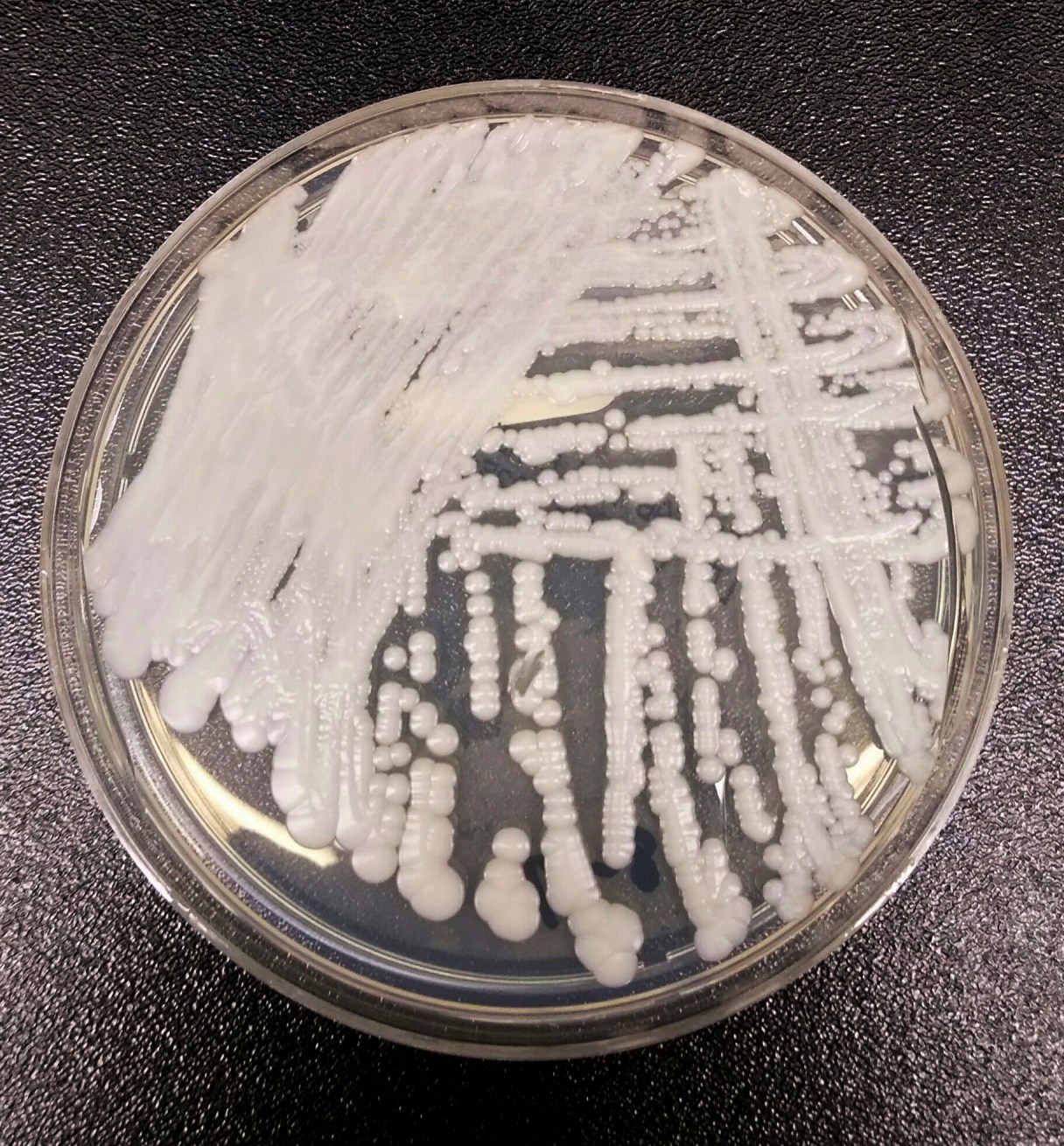
This undated photo made available by the Centers for Disease Control and Prevention shows a strain of Candida auris cultured in a petri dish at a CDC laboratory. On Tuesday, April 25, 2017, New York state health officials provided new details about a continuing outbreak of the infection. The count is 44 now, up from a half dozen last fall. The fungus is a harmful form of yeast that was first seen in a patient in 2009, in Japan. Scientists say it can be hard to identify with standard lab tests, and more cases are being reported as doctors are looking harder for it. (Shawn Lockhart/CDC via AP)

NEW YORK (AP) – A ‘superbug’ fungus is emerging as a new menace in U.S. hospitals, mostly in New York and New Jersey.

First identified in Japan in 2009, the fungus has spread to more than a dozen countries around the globe. The oldest of the 66 cases reported in the U.S. dates back to 2013, but most were reported in the last year.

The fungus called Candida auris is a harmful form of yeast. Scientists say it can be hard to identify with standard lab tests. U.S. health officials sounded alarms last year because two of the three kinds of commonly used antifungal drugs have little effect.

“It’s acting like a superbug” bacteria, said Dr. Paige Armstrong of the Centers for Disease Control and Prevention.

Most vulnerable are fragile hospital patients – particularly newborns and the elderly. It tends to be diagnosed in patients after they’ve been in hospitals for several weeks. The fungus can infect wounds, ears and the bloodstream.