
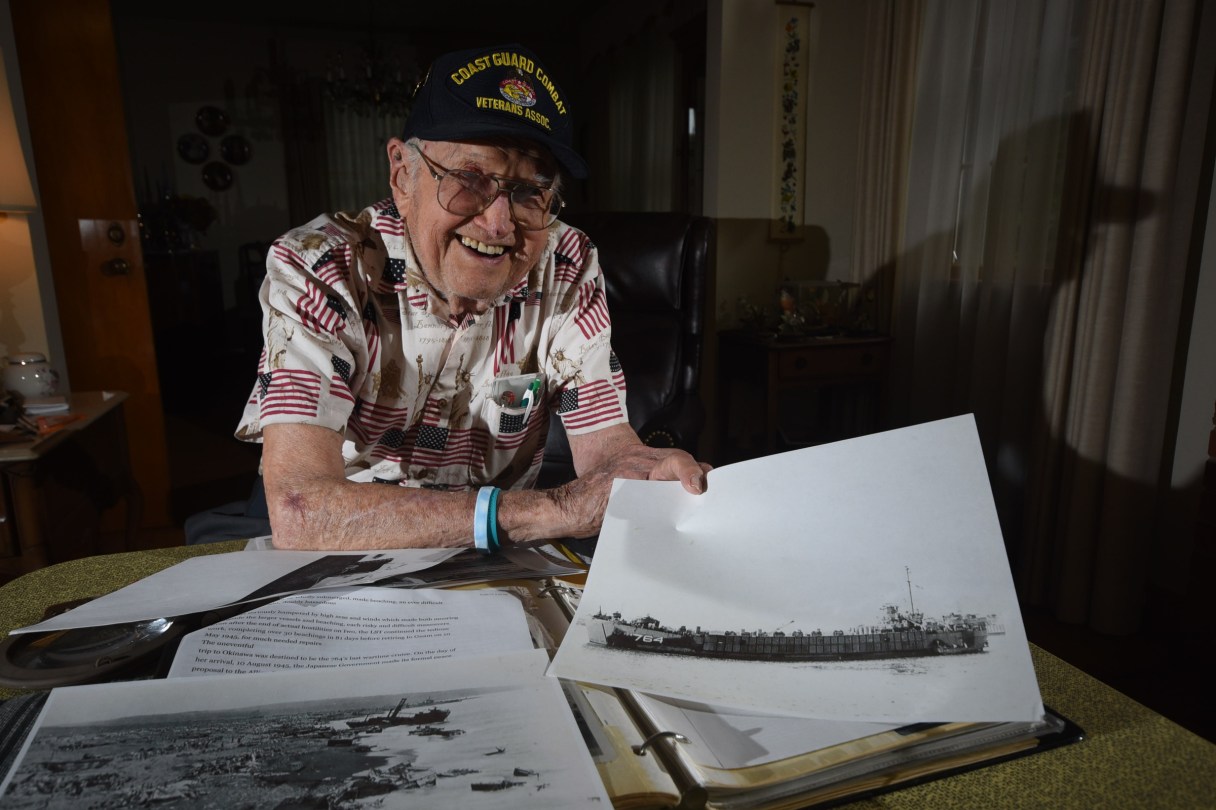
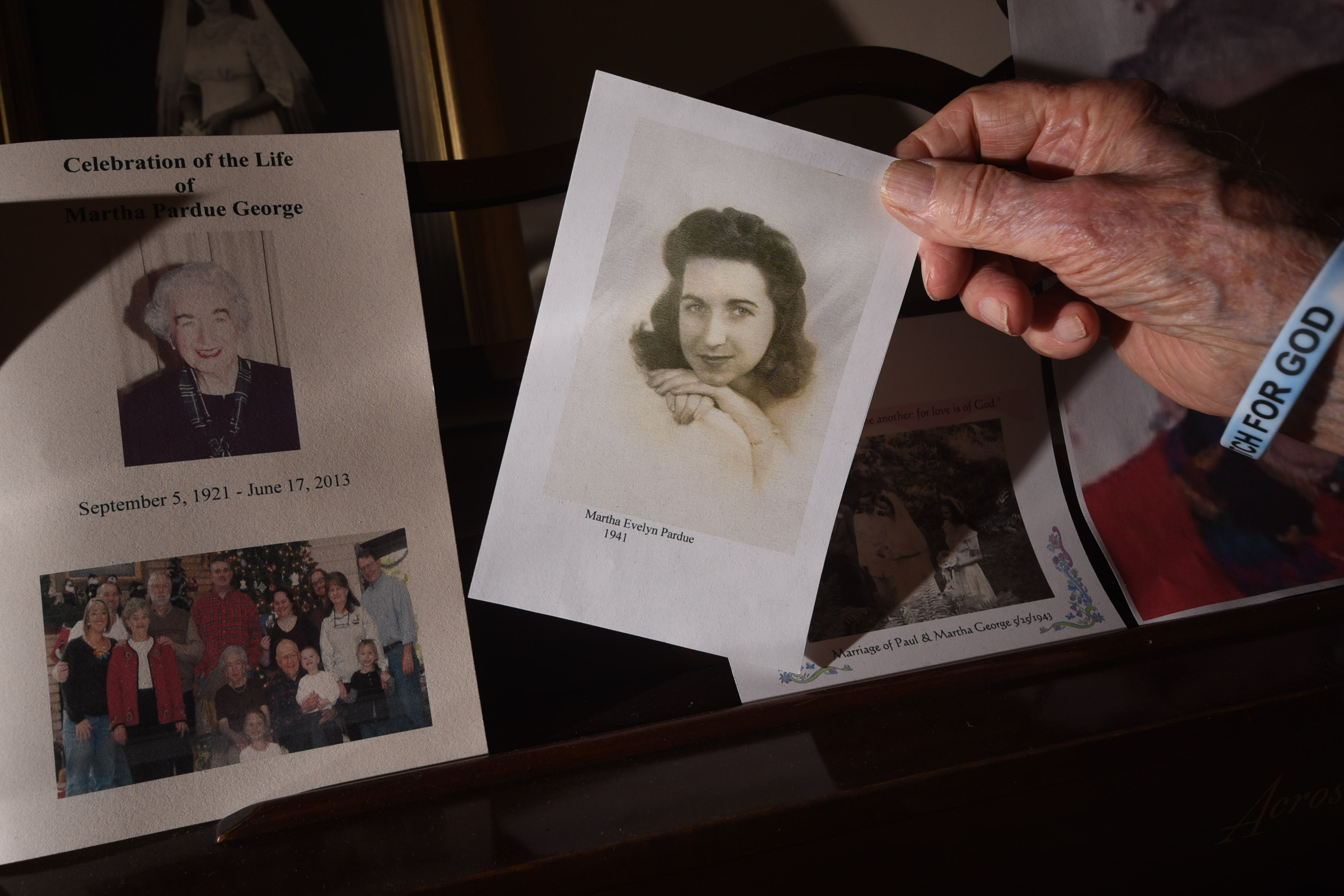
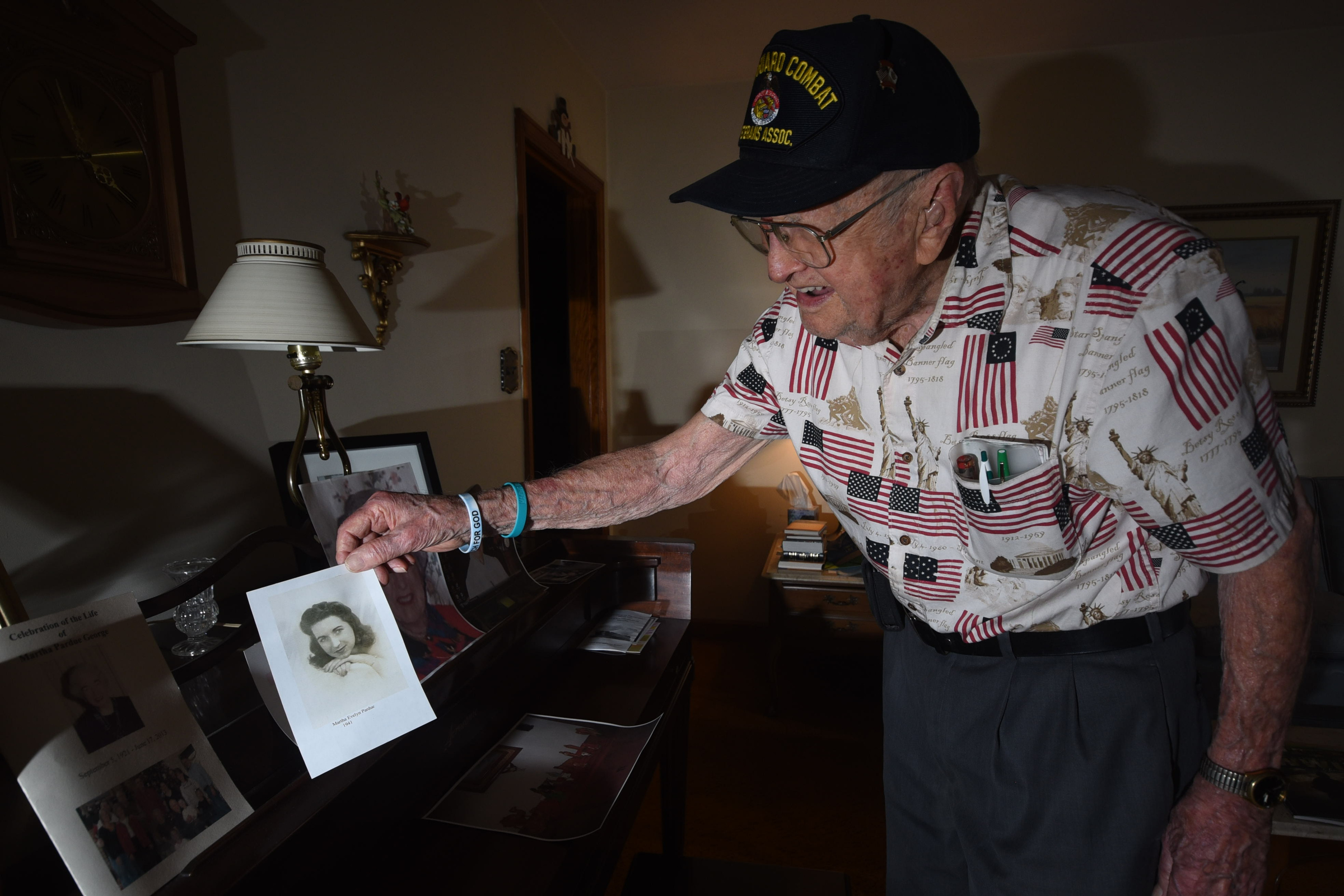
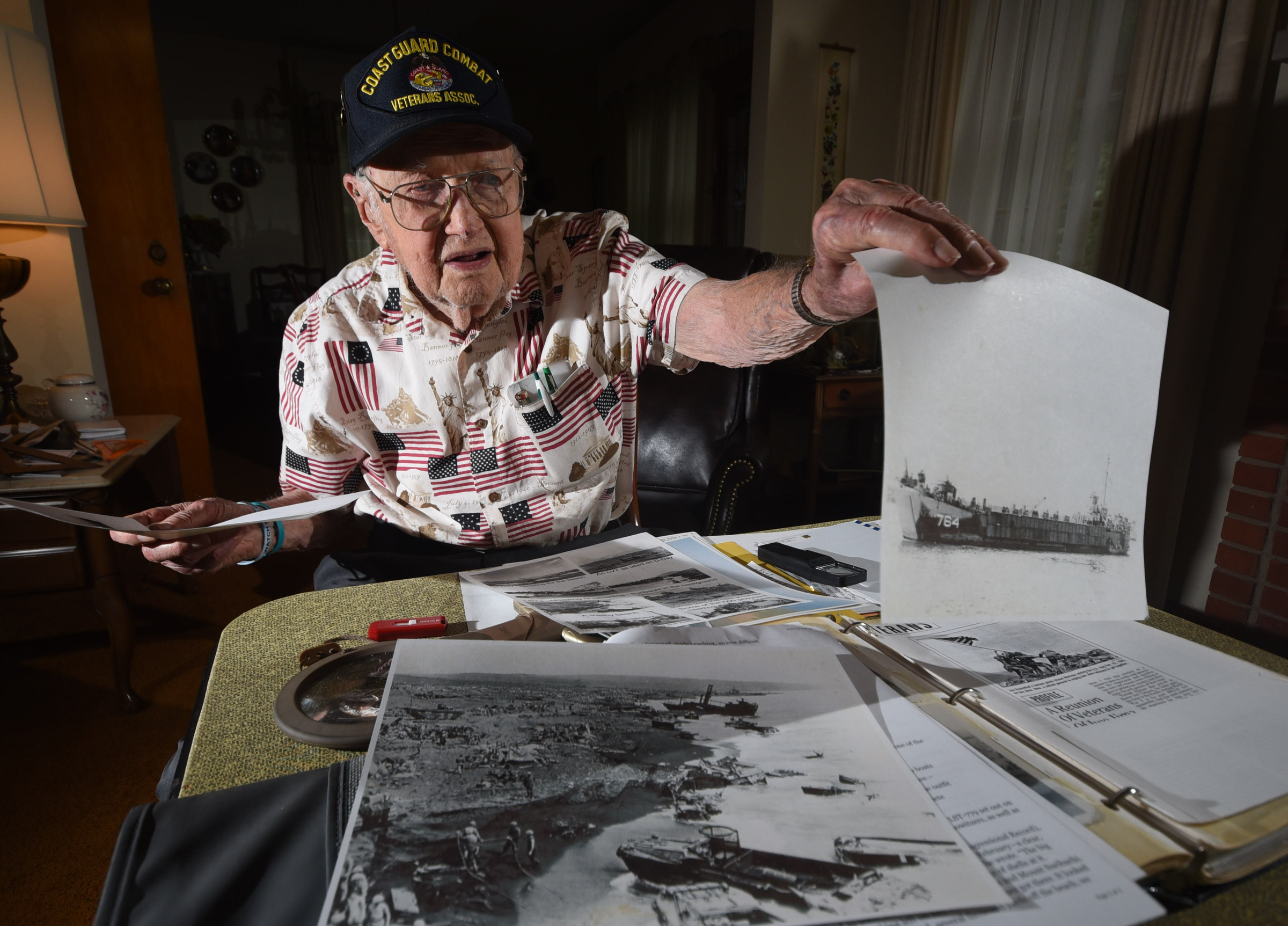
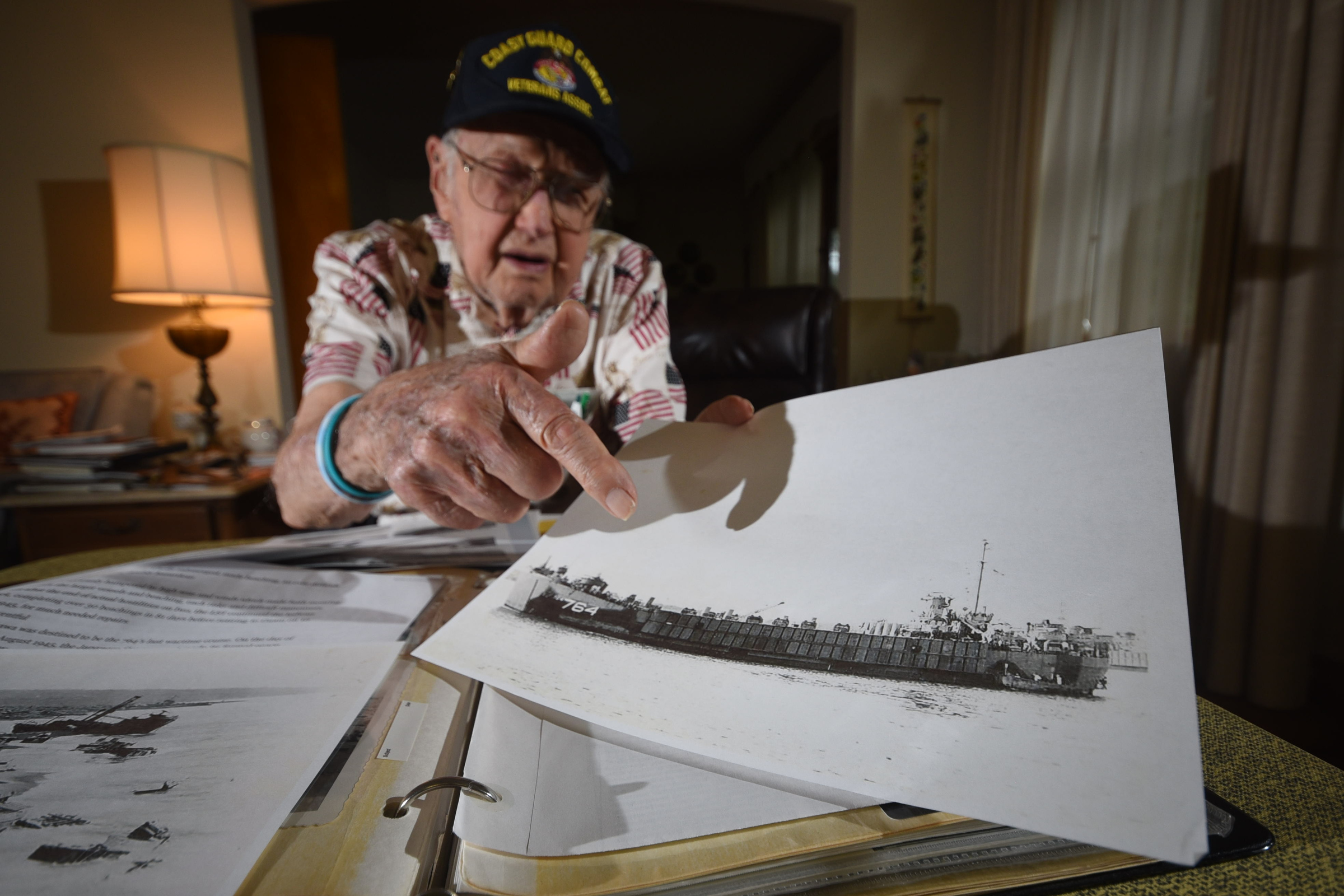
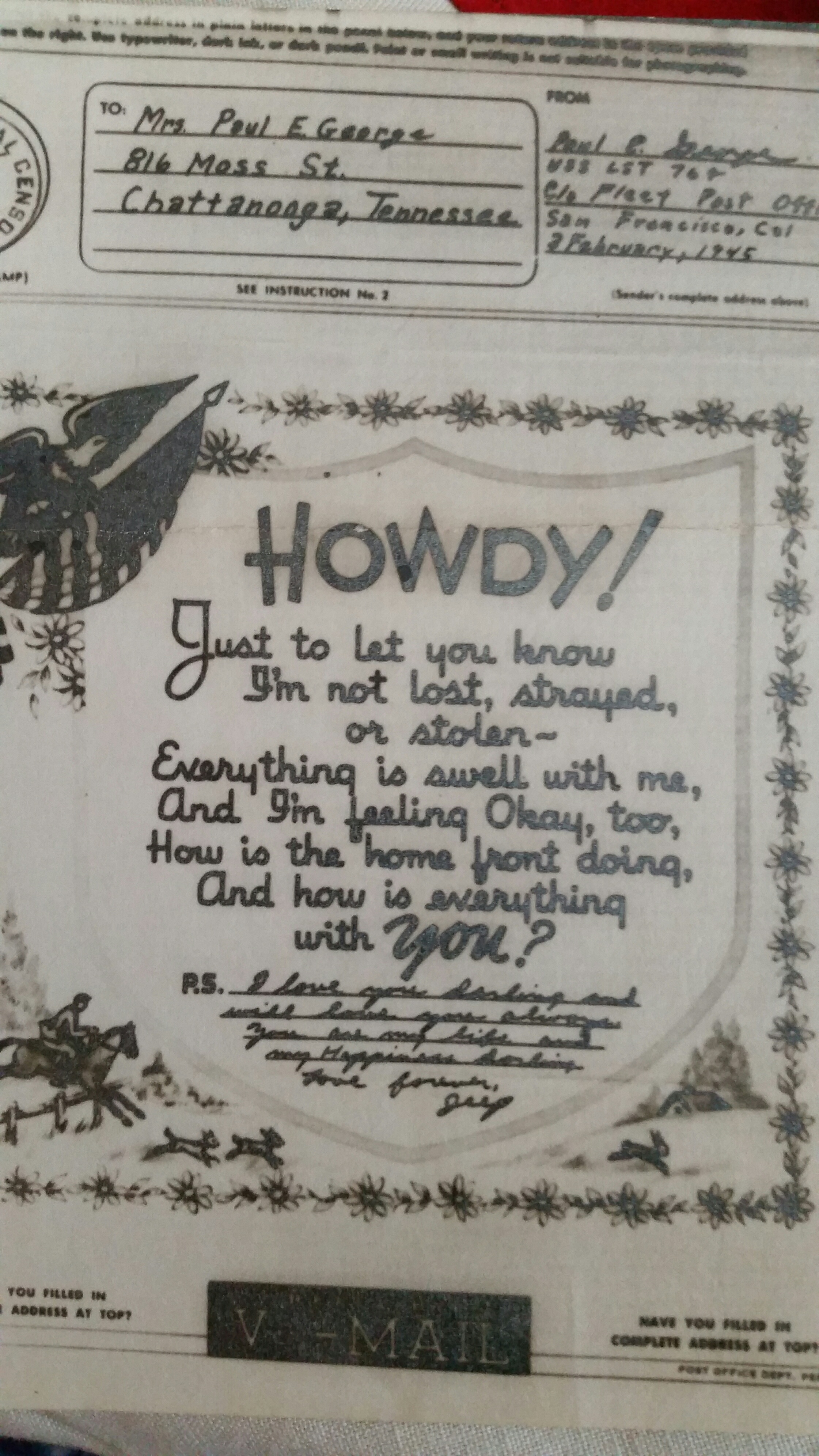
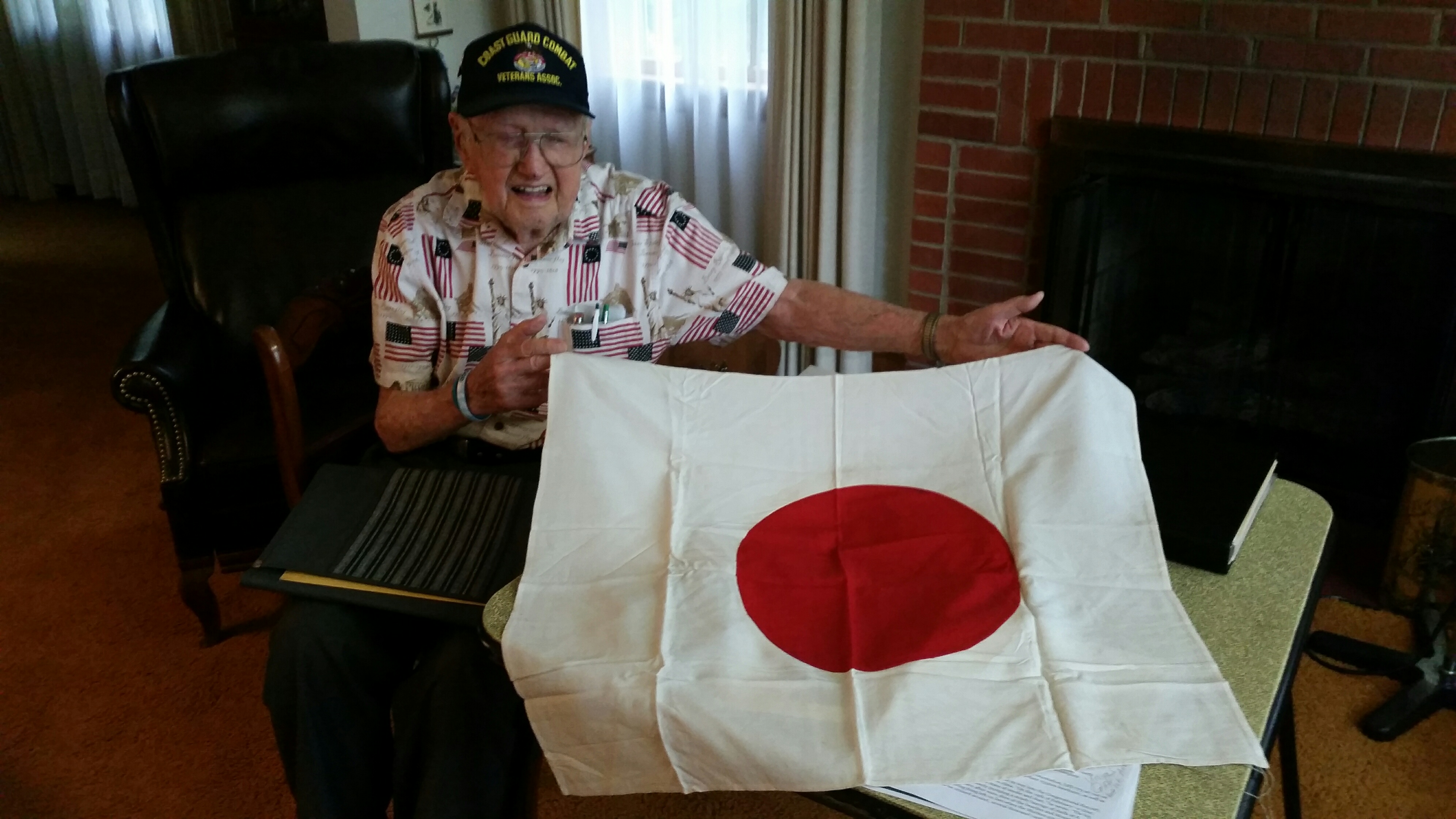
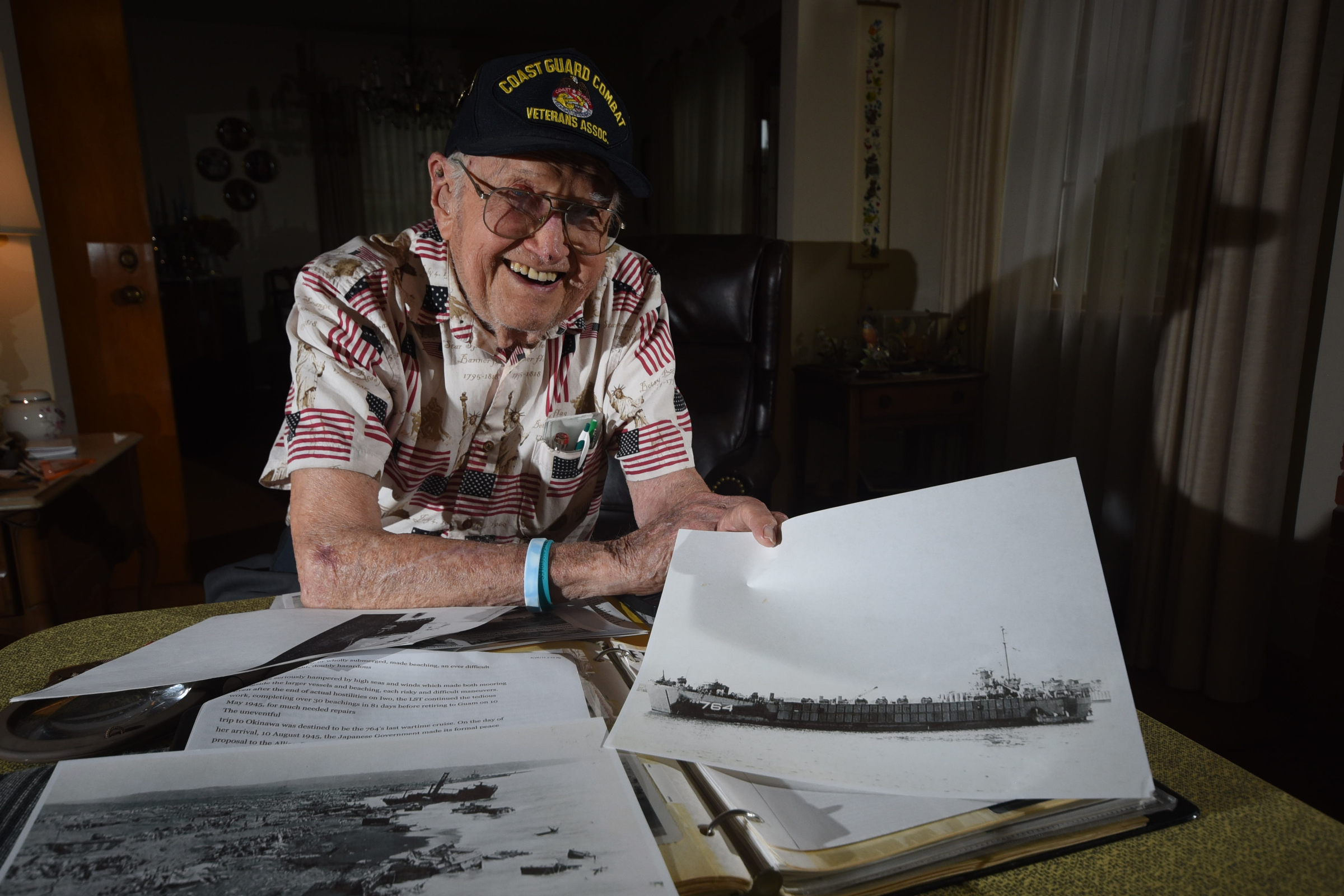
Coast Guard Lt. Paul George, a 23-year-old newlywed, kept a photo of his young wife Martha on the wall of his tiny cabin in his World War II ship. If a Japanese kamikaze crashed into it or a torpedo or mine ripped apart the hull, he wanted the pretty brunette he adored to be the clearest image in his mind as he died.
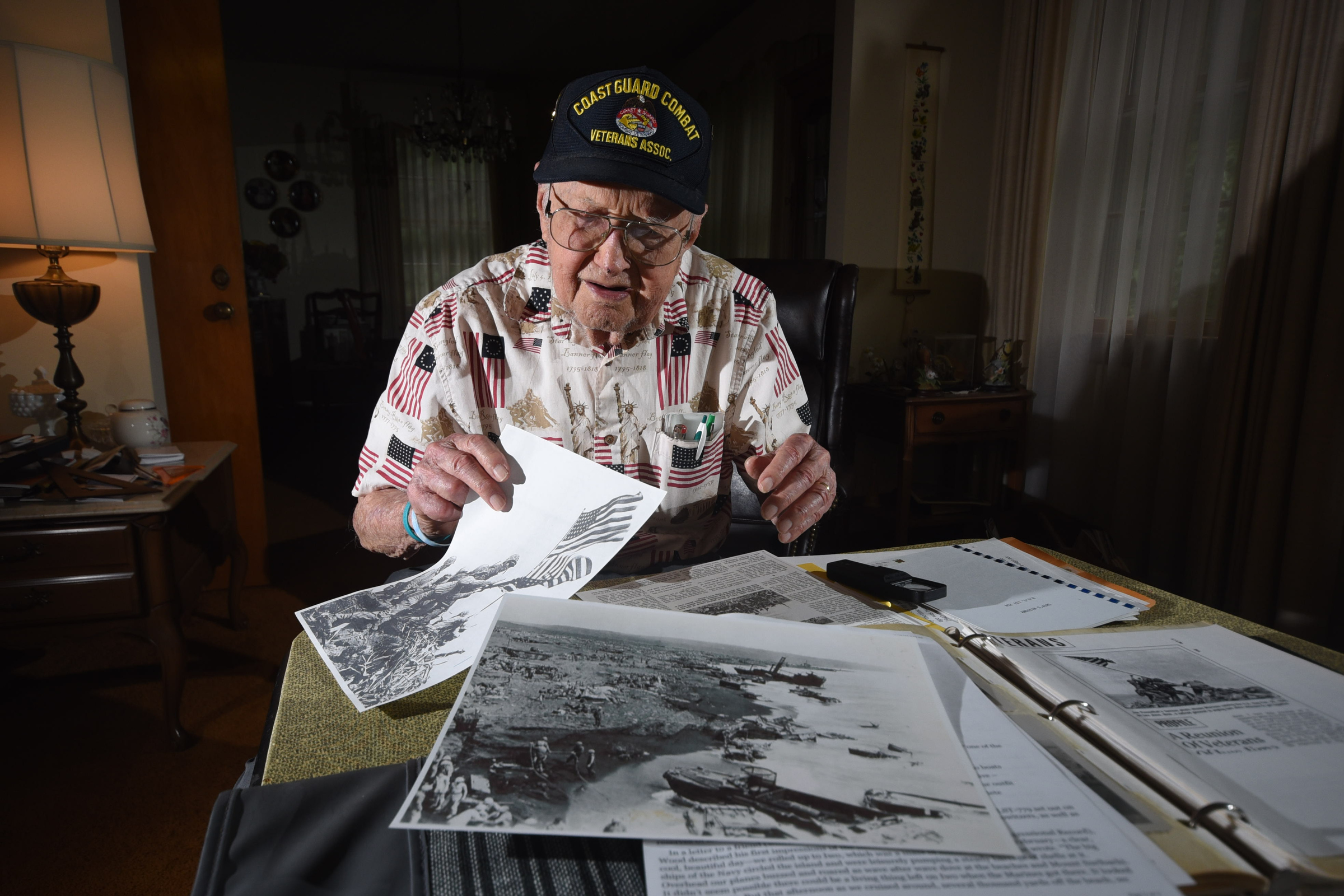
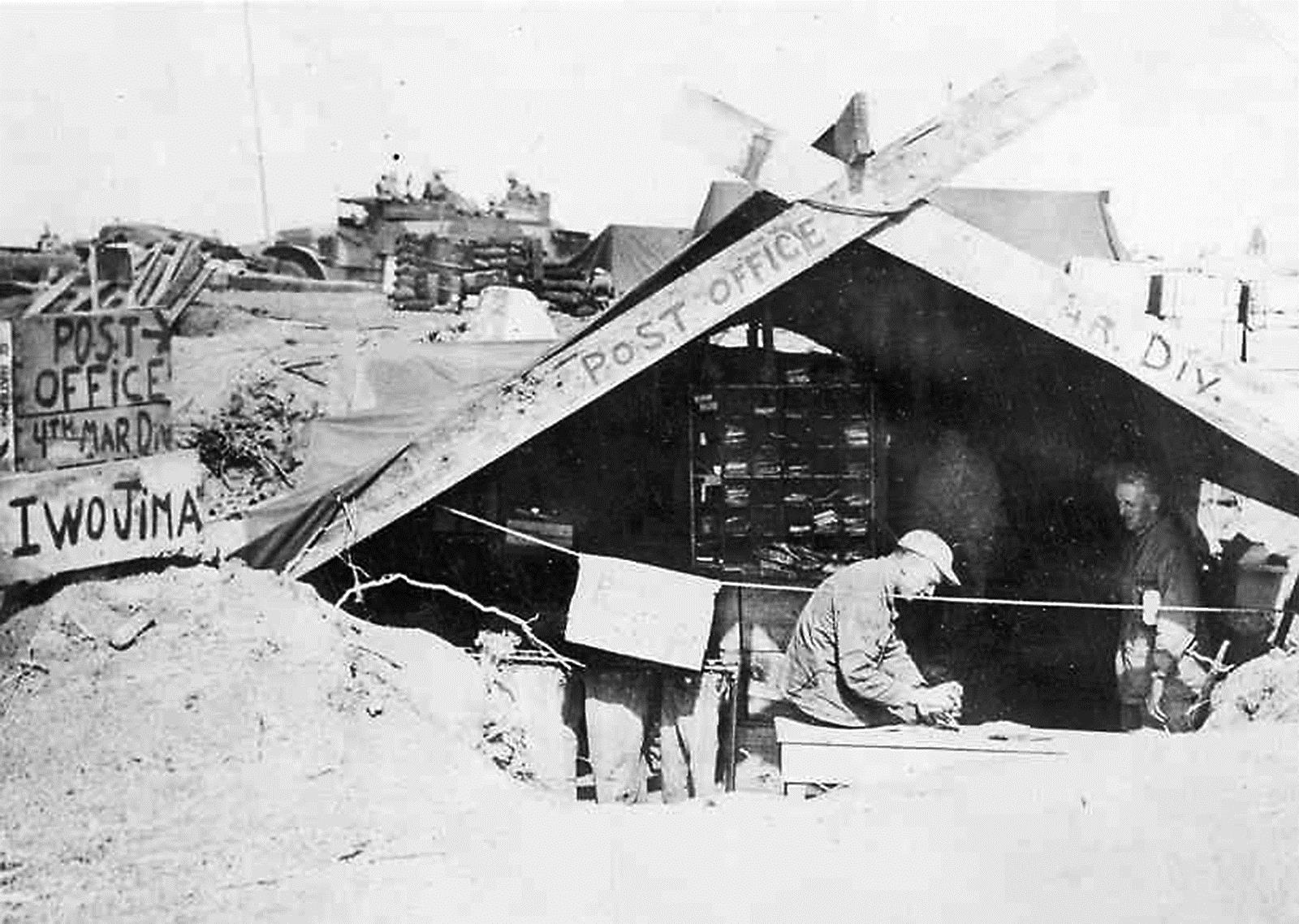
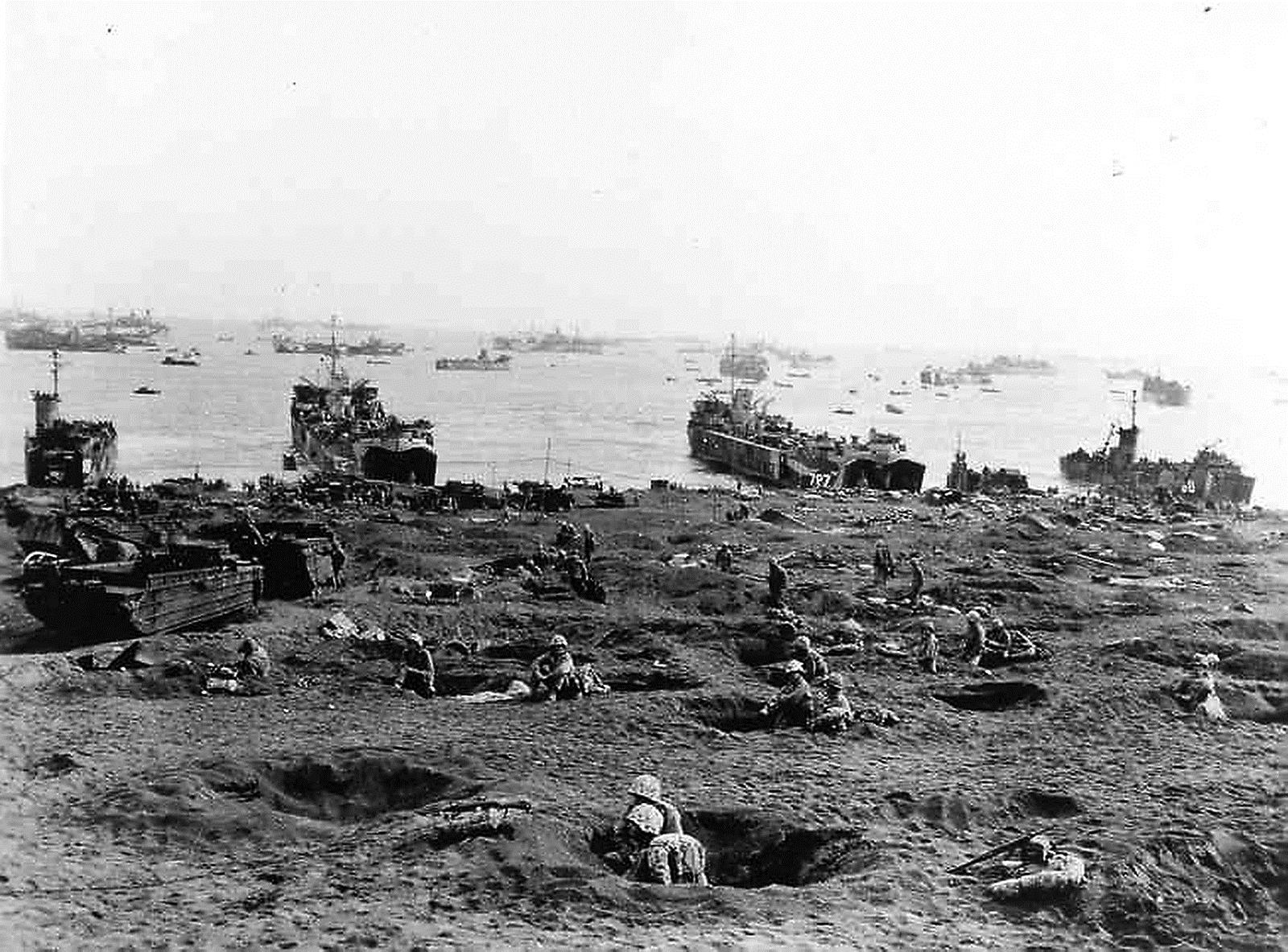
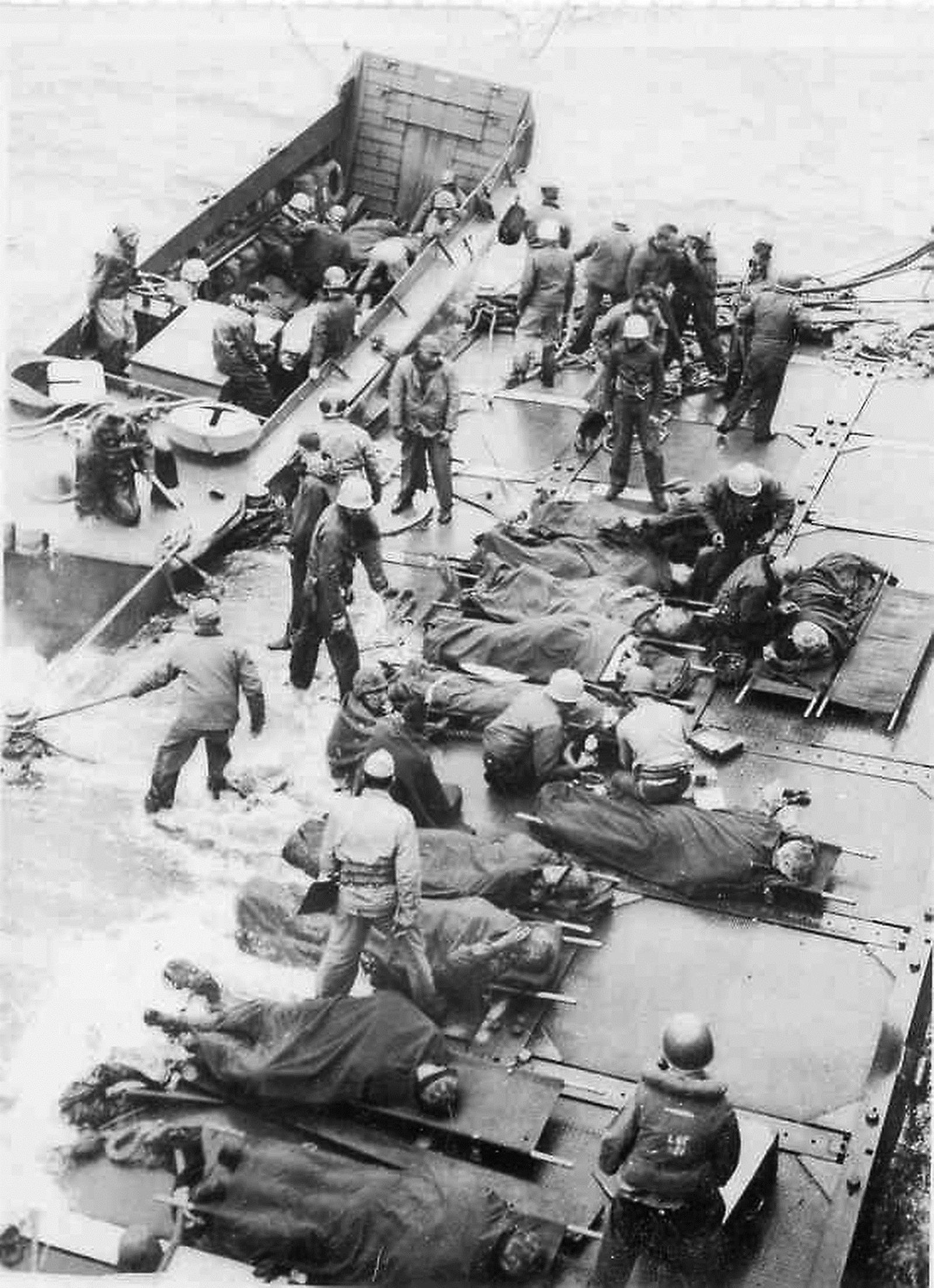
His ship, LST 764, was just off the coast of Iwo Jima during the ferocious 36-day battle that killed more than 6,200 Americans. LST is short for Landing Ship, Tank, and they’re designed to land troops, medical supplies, weapons, ammo and other cargo directly onto an unimproved beach, even while the enemy is shooting at them. Sailors nervously joked that LST stood for “Long Slow Target”; the behemoths were heavy and not nimble.
While just offshore, an LST would tie itself to a faster, more agile ship so supplies could be transferred between the decks. But at Iwo Jima, that was impossible because wild winds whipped the waves as high “as four-story tall buildings and kept smashing our ships together so hard they were punching holes in each other,” George says.
His LST made 31 beach landings at Iwo Jima, a battle with almost 20,000 Americans wounded. Most people flatter themselves that they could risk their lives, even when the odds of a terrifying death were excellent, at least once in their lifetimes. But 31 times?
Japanese troops were on top of Mount Suribachi, which towered over the long, flat bleaches, and Japanese soldiers carved machine-gun nests into rock walls high above the ocean ront. They could spray the landing troops with gunfire and lob mortars and grenades at them as they stepped onto the sand.