
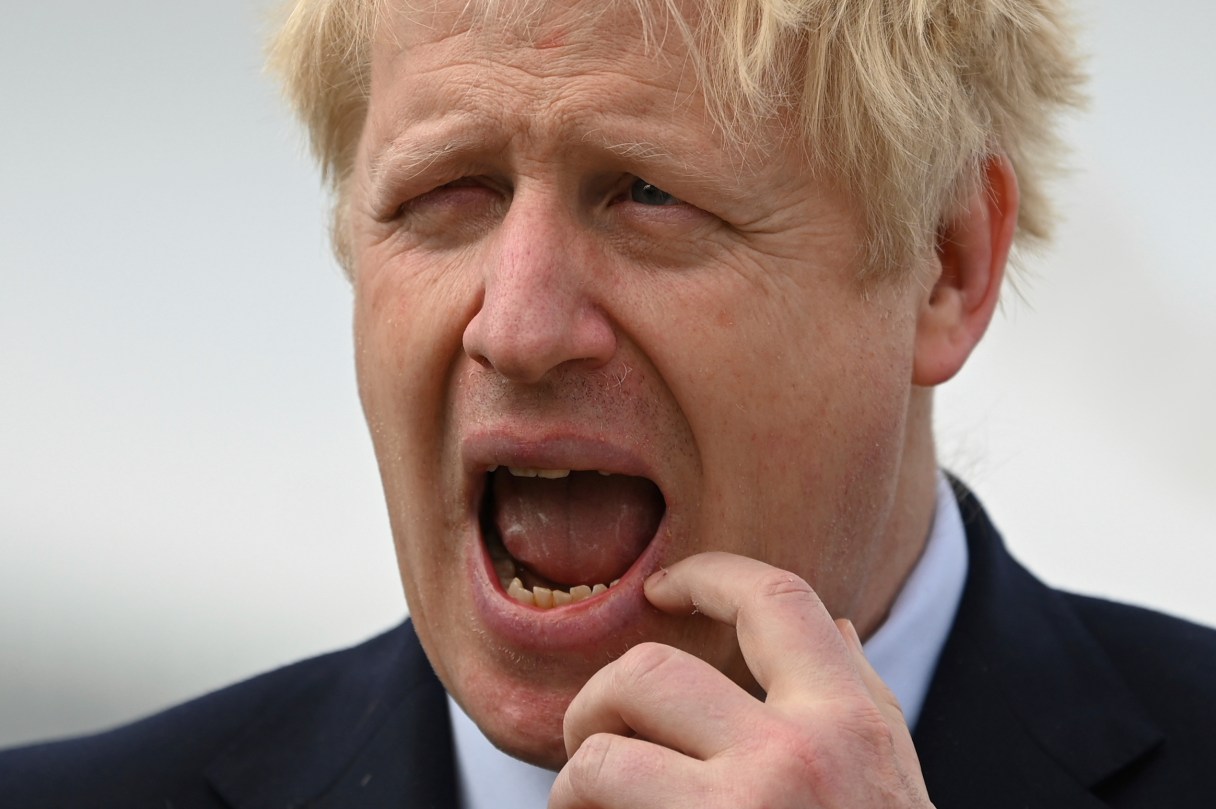
LONDON – The British government insisted Thursday that its forecast of food and medicine shortages, gridlock at ports and riots in the streets after a no-deal Brexit is an avoidable worst-case scenario, as Prime Minister Boris Johnson denied misleading Queen Elizabeth II about his reasons for suspending Parliament just weeks before the country is due to leave the European Union.
In better news for the embattled British leader, a Belfast court rejected claims that the Conservative government’s Brexit strategy should be ruled illegal because it risked undermining Northern Ireland’s peace process.
Johnson took office in July vowing to get Brexit done on the scheduled Oct. 31 date, even if there is not a divorce deal to smooth the way. But many lawmakers, economists and businesses fear a no-deal Brexit would be economically devastating and are fighting him every step of the way.
This week, Parliament forced the government to publish its official assessment of the impact of leaving the EU without a withdrawal agreement.
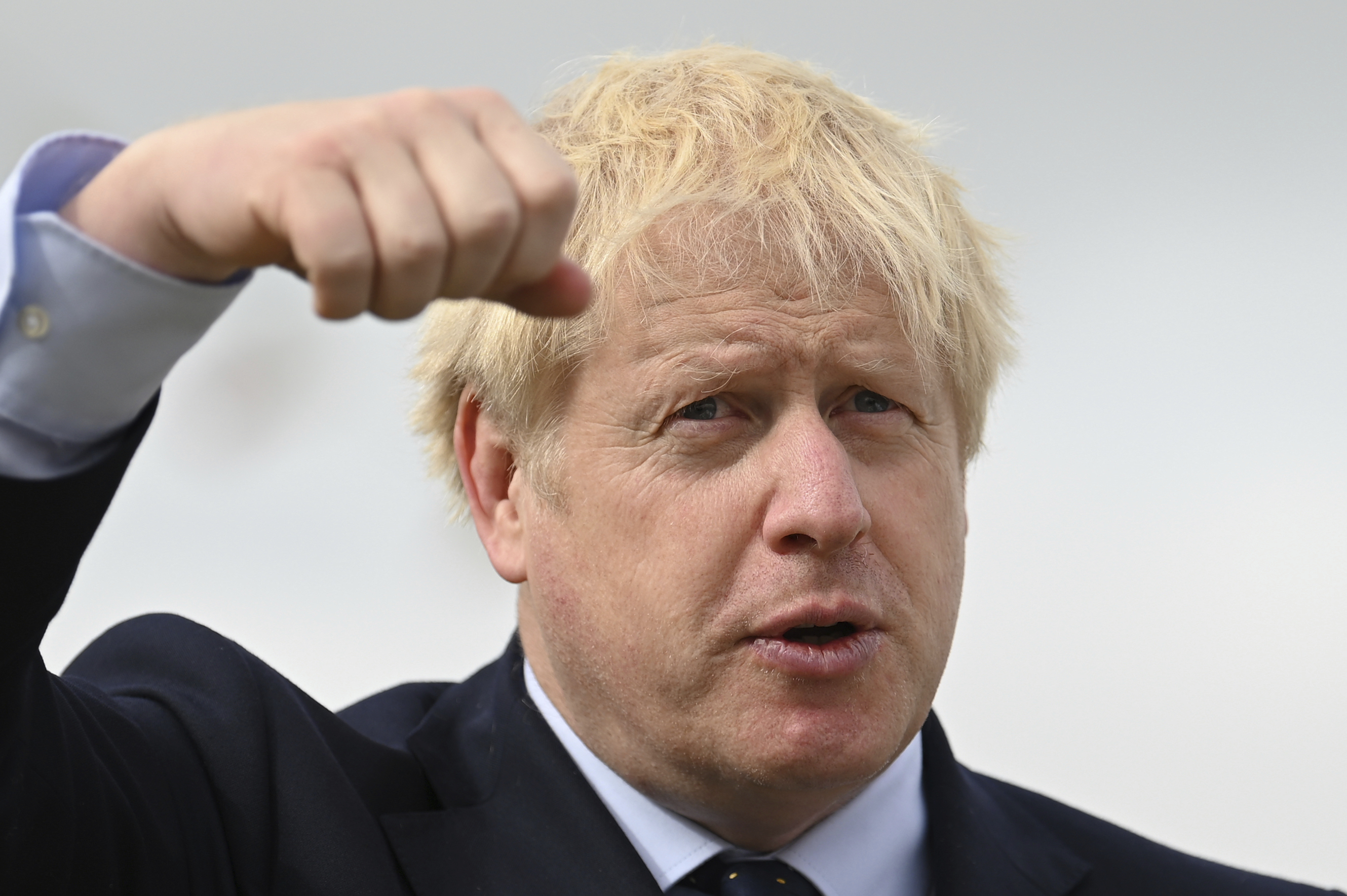 Britain’s Prime Minister Boris Johnson visits the NLV Pharos, a lighthouse tender moored on the river Thames, to mark London International Shipping Week in London, Thursday, Sept. 12, 2019. The British government insisted Thursday that its forecast of food and medicine shortages, gridlock at ports and riots in the streets after a no-deal Brexit is an avoidable worst-case scenario, as Prime Minister Boris Johnson denied misleading Queen Elizabeth II about his reasons for suspending Parliament just weeks before the country is due to leave the European Union. (Daniel Leal-Olivas/Pool photo via AP)
The six-page classified document, dated Aug. 2, said customs checks meant the number of trucks crossing the main freight route between Calais and Dover would drop by between 40% and 60% within a day of a no-deal Brexit, with disruptions lasting up to three months. The supply of certain types of fresh foods and essential medicines would decrease, prices would go up and the poor would be hit hardest, it said.