
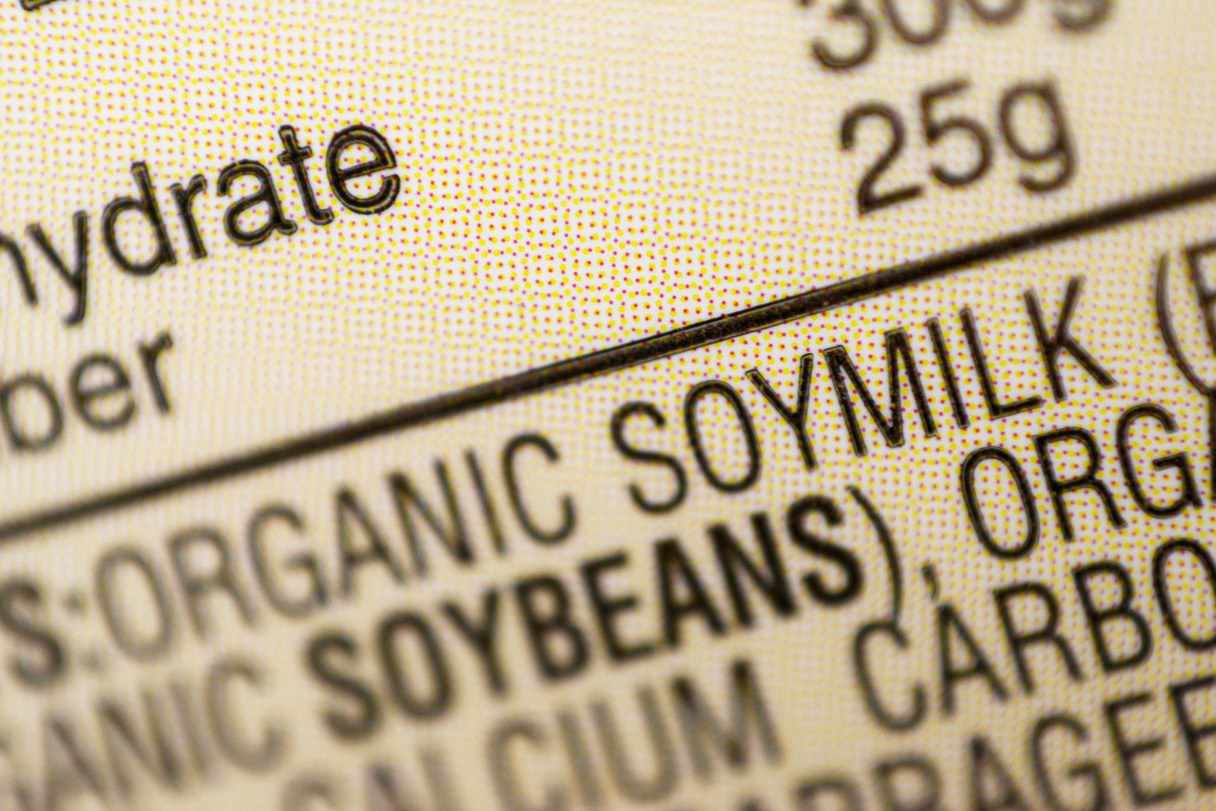
NEW YORK (AP) – Dairy farmers want U.S. regulators to banish the term “soy milk,” but documents show even government agencies haven’t always agreed on what to call such drinks.
The U.S. Department of Agriculture “fervently” wanted to use the term “soy milk” in educational materials for the public, according to emails recently released in response to a lawsuit. That irked the Food and Drug Administration, the agency that oversees the federal rule defining milk as coming from healthy cows.
It’s “not a trivial decision,” the FDA warned in one of the 2011 emails about the USDA’s desire to use the term.
The sour history over who gets to use “milk” reaches back to at least 1997, when a vegetarian group petitioned the FDA to recognize the term “soymilk.” A couple years later, the group pointed out that the FDA itself had used the term. Even now, the National Milk Producers Federation says it’s working to build support in Congress for legislation directing the FDA to enforce the federal standard. The dairy group says both “soy milk” and “soymilk” are inappropriate, and that the one-word version is just an attempt to get around the definition.
There are plenty of other food names at issue. A European Union court recently ruled that a company named TofuTown can’t describe its products as “cheese.” U.S. rice producers have railed against “pretenders ” like diced cauliflower and said they may take the issue to the FDA.