
Friday, October 30, 2026Oct 30

This story is free to read.

O’Brien: Colonial Pipeline paid the ransom. Bad move.

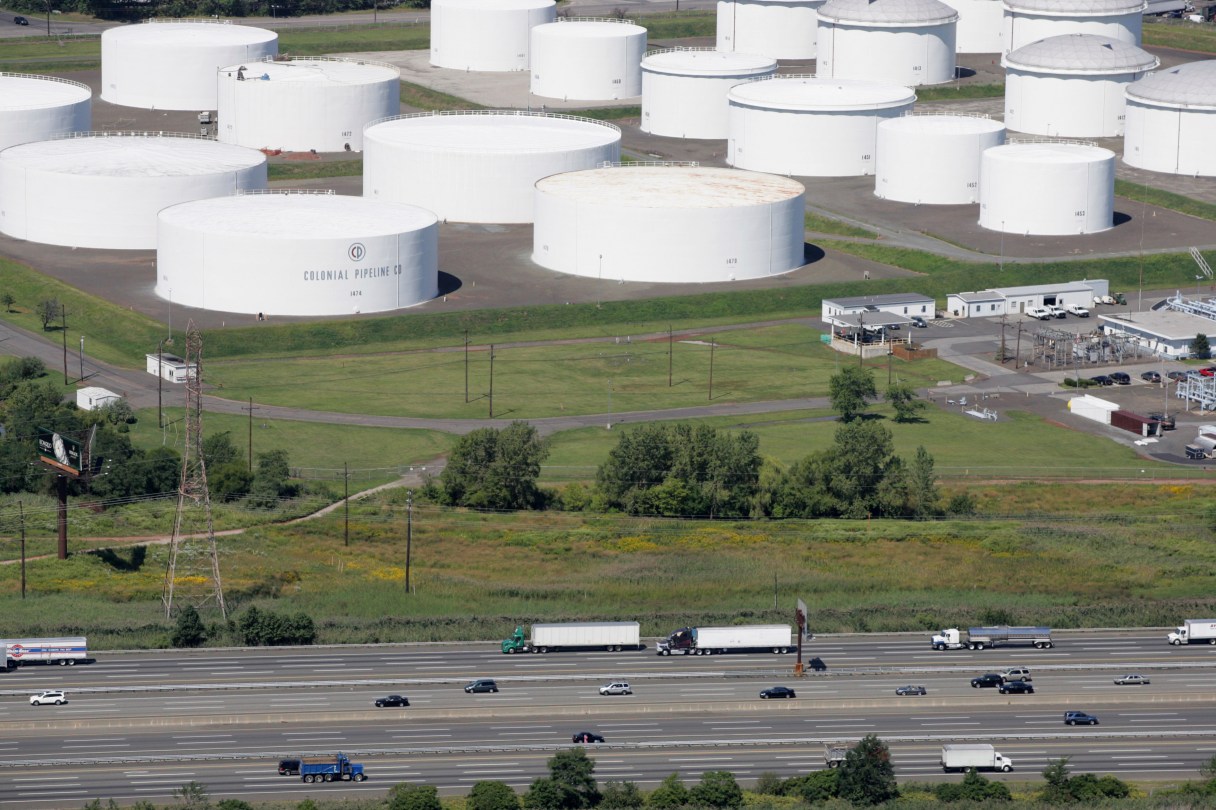
FILE - In this Sept. 8, 2008 file photo traffic on I-95 passes oil storage tanks owned by the Colonial Pipeline Company in Linden, N.J. A major pipeline that transports fuels along the East Coast says it had to stop operations because it was the victim of a cyberattack. Colonial Pipeline said in a statement late Friday that it “took certain systems offline to contain the threat, which has temporarily halted all pipeline operations, and affected some of our IT systems.” (AP Photo/Mark Lennihan, File)
FILE - In this Sept. 8, 2008 file photo traffic on I-95 passes oil storage tanks owned by the Colonial Pipeline Company in Linden, N.J. A major pipeline that transports fuels along the East Coast says it had to stop operations because it was the victim of a cyberattack. Colonial Pipeline said in a statement late Friday that it “took certain systems offline to contain the threat, which has temporarily halted all pipeline operations, and affected some of our IT systems.” (AP Photo/Mark Lennihan, File) FILE - In this Sept. 8, 2008 file photo traffic on I-95 passes oil storage tanks owned by the Colonial Pipeline Company in Linden, N.J. A major pipeline that transports fuels along the East Coast says it had to stop operations because it was the victim of a cyberattack. Colonial Pipeline said in a statement late Friday that it “took certain systems offline to contain the threat, which has temporarily halted all pipeline operations, and affected some of our IT systems.” (AP Photo/Mark Lennihan, File)

Colonial Pipeline paid the ransom.

And after forking over $5 million to hackers who forced it to shut down an important fuel conduit, which spurred a bonkers run on local gas stations, the burglars gave Colonial a decryption key meant to sanitize its computer networks. But the tool didn’t work very well. Bad trade.

Lesson: Don’t pay the ransom.

Law enforcement authorities and other experts have been advising as much for years. Professional hostage negotiators regularly try to observe that maxim, too (though specialists who negotiate with terrorists have unusually complex dynamics to consider, and paying ransom may be the safest strategy for them).

When lives aren’t directly at stake, the guidelines seem to be clear. Here’s the Federal Bureau of Investigation’s advice: