
John Beifuss, Movie reviewer
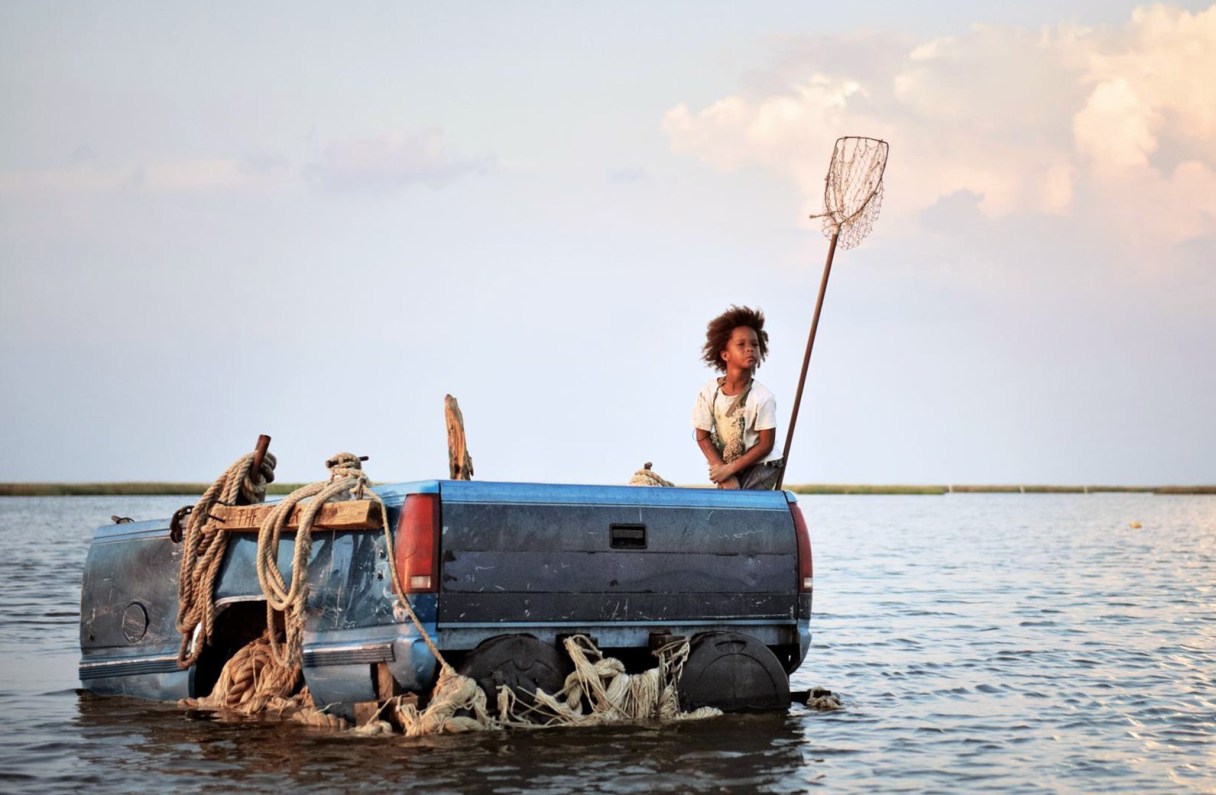
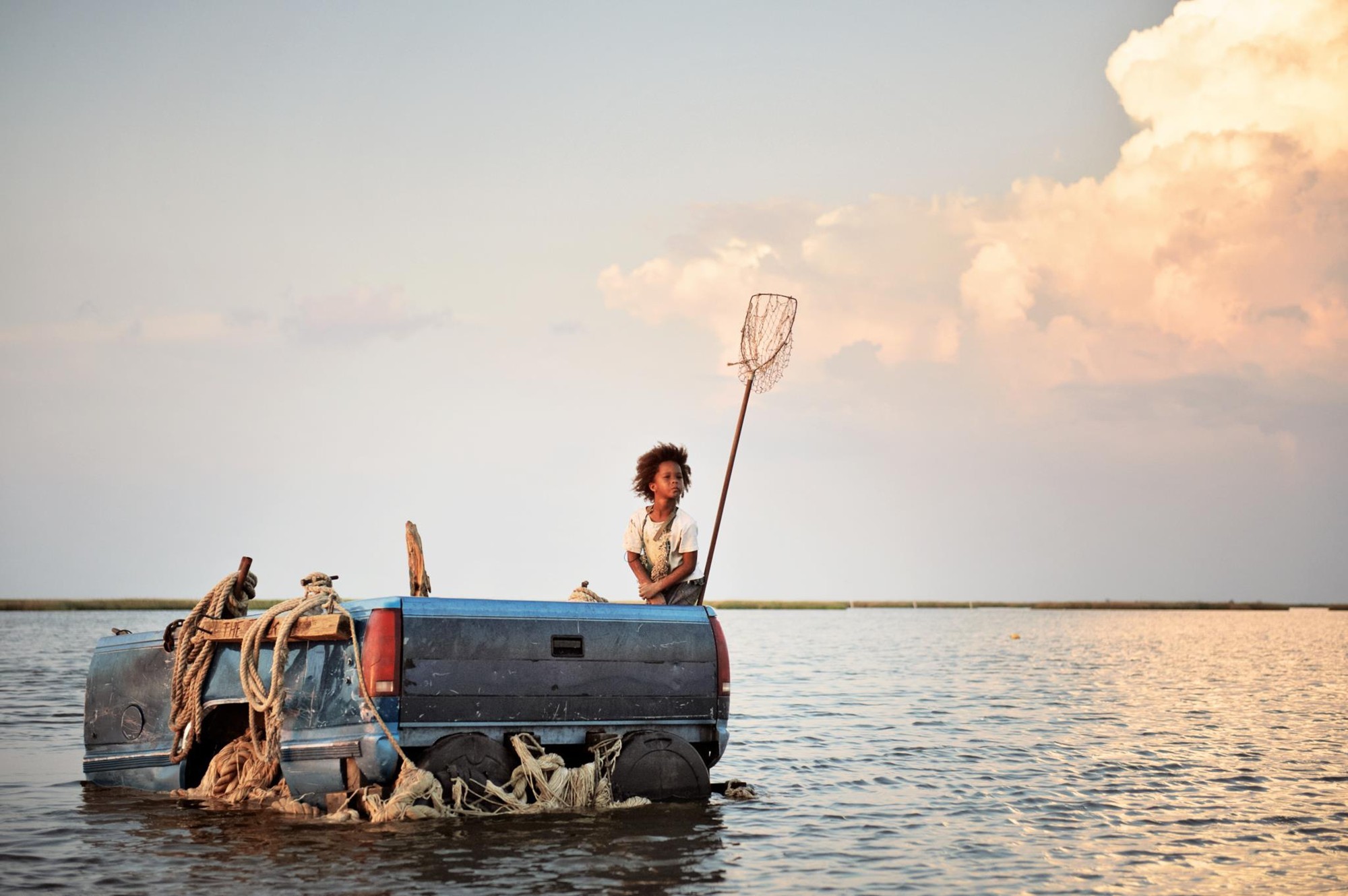
Unexpected and unforgettable and unlike almost any movie you’ve seen, “Beasts of the Southern Wild” is an eco-fable fairy tale set in a swampy landscape at the end of the world where the distinction between the sacred and the humble is irrelevant: Fried alligator functions as a sort of Eucharistic sacrament, and a boat contrived from the back end of a pickup truck becomes a Viking funeral barge.
The movie’s hero and narrator is 6-year-old Hushpuppy (newcomer Quvenzhané Wallis), a spunky survivor with a nimbus of tangled reddish hair and a defiant stare that can freeze even a prehistoric auroch in its monstrous hoofed tracks. “Once there was a Hushpuppy and she lived with her daddy in the Bathtub,” the girl summarizes, placing herself within the enchanted context of a fairy story while identifying her sparsely populated patch of untamed Southern Louisiana by a name that is homely, unpretentious and paradoxically domestic.
Lifted by a flood tide of critical hosannas and festival awards, “Beasts of the Southern Wild” arrives in Memphis today for an exclusive run at the Malco Ridgeway Four, where it will join the year’s other masterpiece-by-acclamation, “Moonrise Kingdom,” also a post-Katrina fable of fugitive innocence threatened by a violent storm and well-intentioned but stifling authority. The movies make interesting companions.
Shot on a relatively low budget ($1.5 million) in Cajun country by filmmakers “living off the grid,” “Beasts” makes use of untrained actors, natural locations and a handheld documentary shooting style, but debuting feature director Benh Zeitlin – the son of New York “Urban Culture” folklorists, as writers can’t resist pointing out – shares Wes Anderson’s love of handcrafted props and sets, in-camera special effects and precise, painstaking detail. If the chaotic “Beasts” seems as improvised as a crawdad hole while the lapidary “Moonrise” is as ordered as a doll’s house, both movies are very much the products of distinctive and purposeful artistic visions.