
Monday, November 16, 2026Nov 16

By accident or design, Trump signals tougher China policy

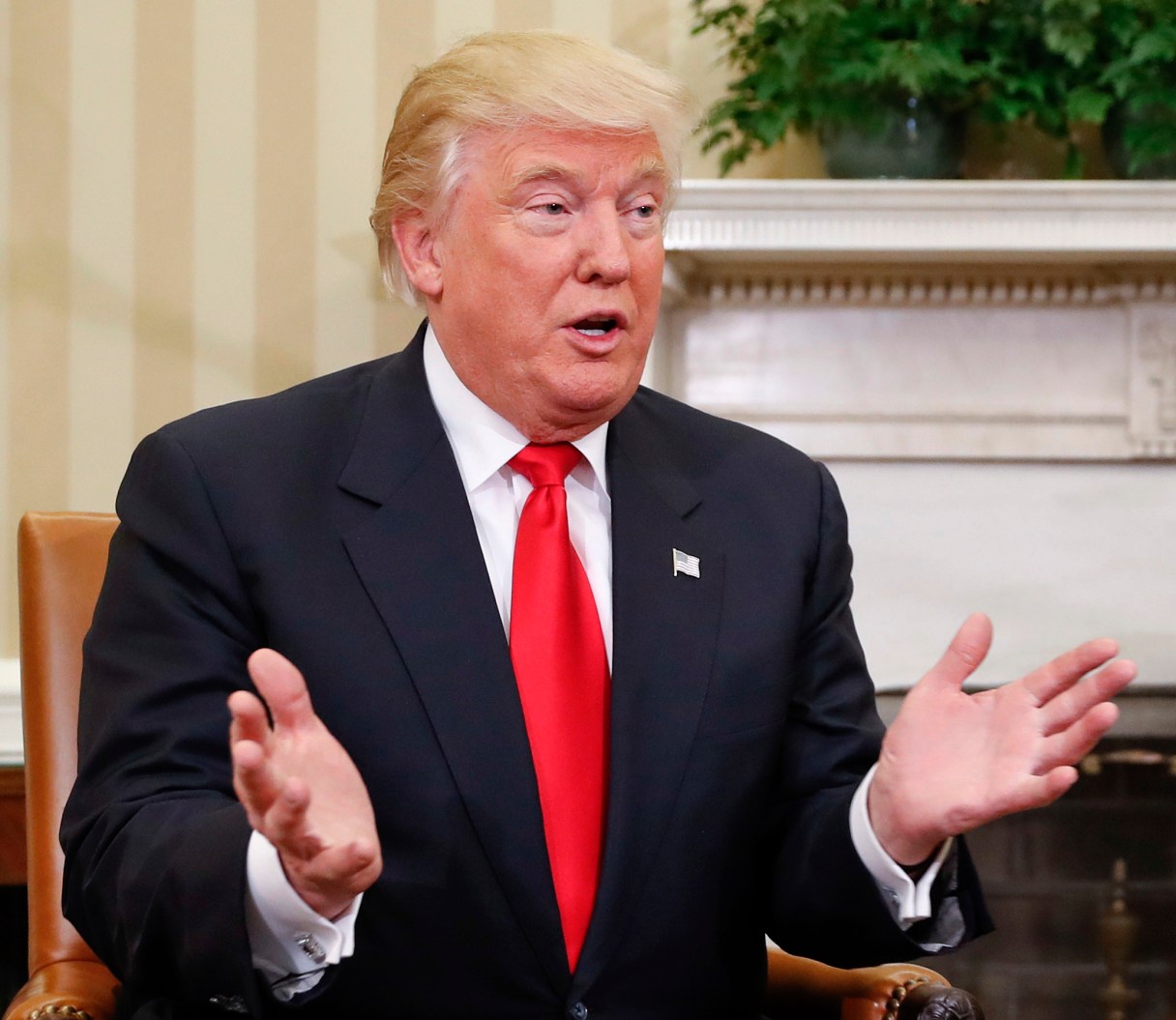
FILE - In this Nov. 10, 2016 file photo, U.S. President-elect Donald Trump speaks during his meeting with President Barack Obama in the Oval Office of the White House in Washington. With Trump's latest tweets touching on sensitive issues, China must decide how to handle an incoming American president who relishes confrontation and whose online statements appear to foreshadow shifts in foreign policy. China awoke Monday, Dec. 5, to criticism from Trump on Twitter, days after it responded to his telephone conversation with Taiwan's president by accusing the Taiwanese of playing a "little trick" on Trump. (AP Photo/Pablo Martinez Monsivais, File)

WASHINGTON (AP) – Whether by accident or design, President-elect Donald Trump is signaling a tougher American policy toward China, sparking warnings from both the outgoing Obama administration and Beijing.

On Monday, White House spokesman Josh Earnest said progress with the Chinese could be “undermined” by a flare-up over the sovereignty of Taiwan, the self-governing island the U.S. broke diplomatic ties with in 1979. That split was part of an agreement with China, which claims the island as its own territory, although the U.S. continues to sell Taiwan billions in military equipment and has other economic ties.

Trump broke protocol last week by speaking with Taiwanese President Tsai Ing-wen, and then took to Twitter to challenge China’s trade and military policies.

“It’s unclear exactly what the strategic effort is,” Earnest said. “I’ll leave that to them to explain.”

So far, Trump’s advisers have struggled to explain his action, sending mixed messages about whether the conversation with Taiwan’s leader was a step toward a new policy or simply a congratulatory call. Incoming White House chief of staff Reince Priebus said Trump “knew exactly what was happening” when he spoke with Tsai, but Vice President-elect Mike Pence described the interaction as “nothing more than taking a courtesy call of congratulations.”