
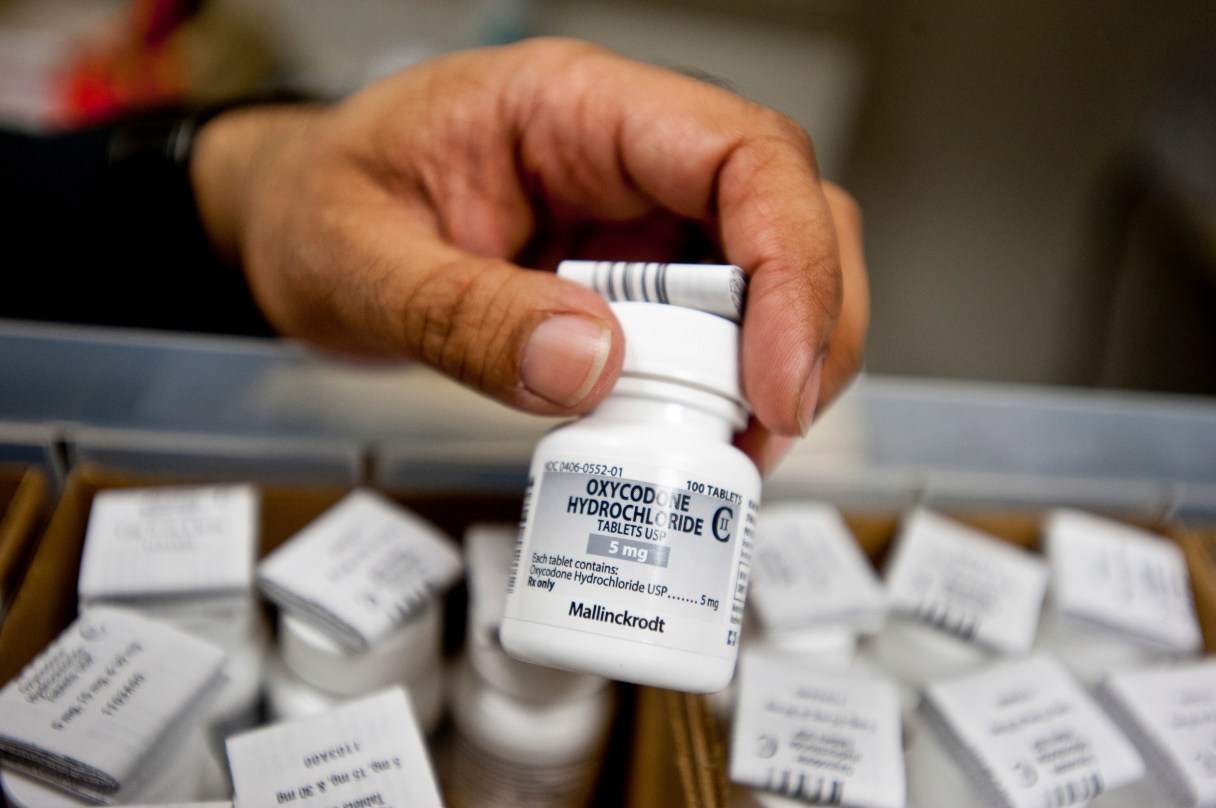
The number of opioid-related deaths in Georgia increased sharply in 2020, continuing a trend the Georgia Department of Public Health says first began with the increased use and misuse of prescription opioids in 2010.
By the time the opioid crisis was declared a national public health emergency in October 2017, almost two-thirds of drug overdose deaths in Georgia were attributed to opioids. State data now shows that deaths linked to pain-relieving drugs have continued to increase in recent years, particularly in Northwest Georgia, where the rate of opioid-related deaths is as high as twice the state average.
The Northwest Georgia Health District – which contains Bartow, Catoosa, Chattooga, Dade, Floyd, Gordon, Haralson, Paulding, Polk and Walker counties – reported 80 opioid-related fatalities in 2019. That number increased by 45% in 2020, with 116 reported deaths linked to opioid use.
(READ MORE: ‘Gray death’ is the latest opioid street mix causing worry)
In order to provide a baseline for counties with varying population sizes, the state calculates opioid-related death rates per 100,000 people. The statewide average in Georgia for 2020 was 12.2 deaths per 100,000. Of the 10 counties in the Northwest Georgia Health District, seven saw rates higher than that.