
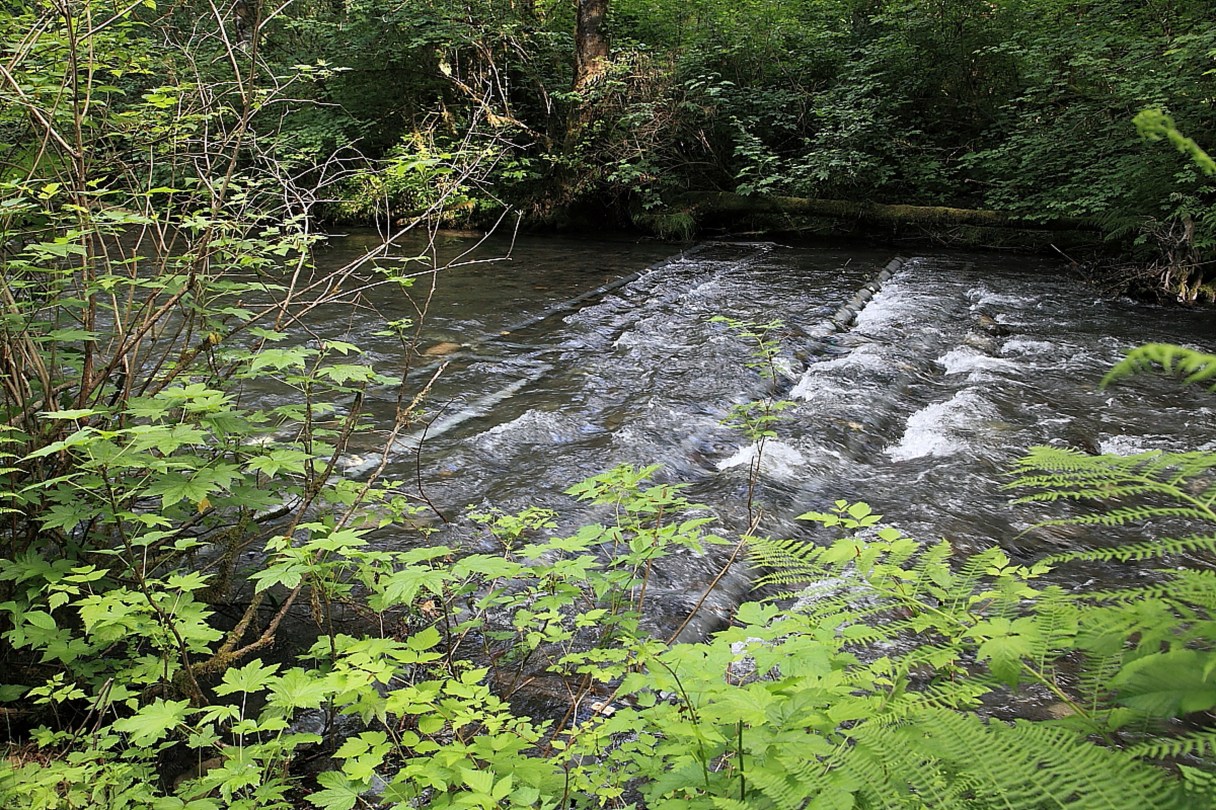
BOISE, Idaho (AP) – Scientists in the Pacific Northwest are studying more than a dozen watersheds to develop templates on habitat restoration that could be used in similar streams to bolster struggling fish populations.
The federal government lists 28 populations of salmon and steelhead on the West Coast that need protections due to low numbers despite spending millions of dollars every year on restoration efforts.
The studies aim to make those efforts more successful. They focus on 17 watersheds in Washington, Oregon, Idaho, Northern California and British Columbia and examine the benefit of everything from dam removal to building artificial beaver dams in tributaries.
Creating templates for habitat restoration could save time and money by using strategies known to produce good results in similar habitats in the region, said George Pess, a research fisheries biologist for the National Oceanic and Atmospheric Administration.
“The overall goal is to learn enough to be smart about our restoration,” he said, noting that the studies will offer recommendations to private, tribal and government entities but won’t produce any legally binding regulations.