
Friday, November 13, 2026Nov 13

Iran snubs Doha proposal, won’t freeze on oil output level

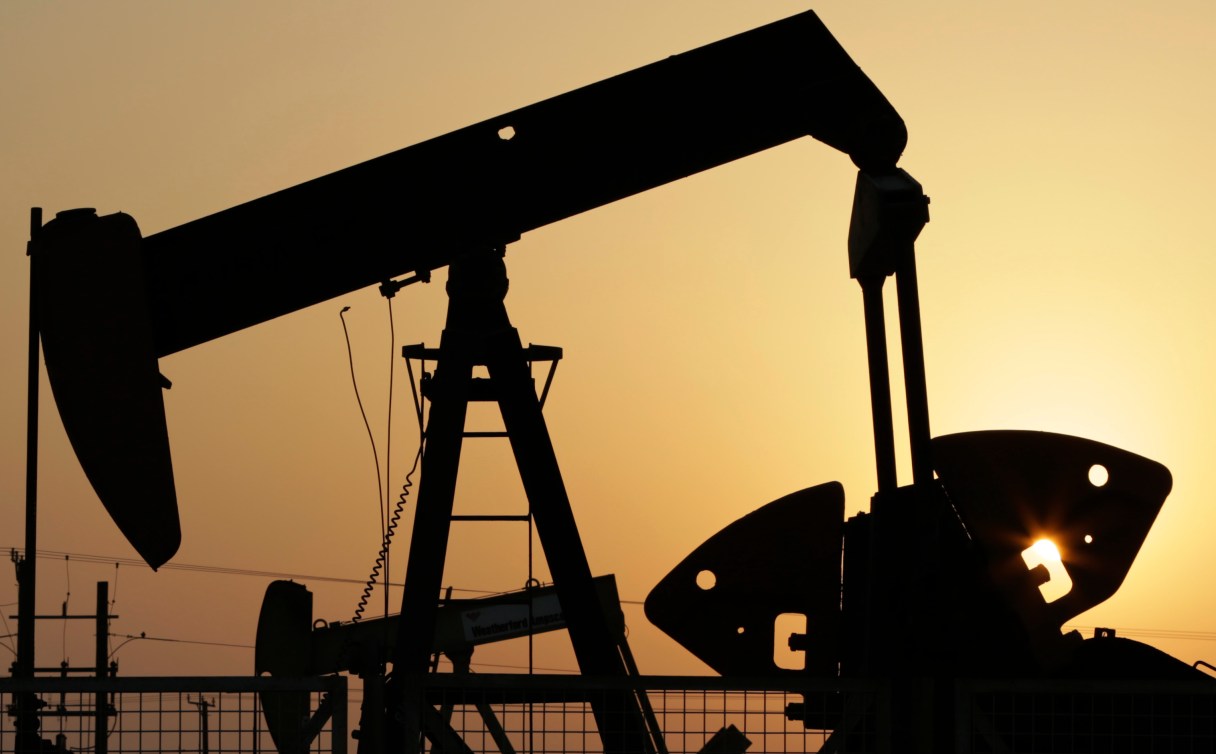
FILE -- In this Sept. 30, 2015, file photo, oil pumps work in the desert oil fields of Sakhir, Bahrain. Russia’s energy minister, Alexander Novak, said, Tuesday, Feb. 16, 2016, that it has agreed with Saudi Arabia, Qatar and Venezuela to freeze oil production at January 2016 levels if other producers do the same following a closed-door meeting in the Doha, Qatar. The meeting reflects growing concern among major oil producers about the effects a prolonged slump in crude prices will have on their domestic economies. (AP Photo/Hasan Jamali, File)

TEHRAN, Iran (AP) – A senior Iranian Oil Ministry official says his country won’t freeze its oil output but will keep increasing crude exports until it reaches levels attained before international sanctions were imposed on Tehran.

The remarks by Mahdi Asali, Iran’s OPEC envoy, are a direct snub to a proposed cap to crude oil production that was agreed to by four oil-producing countries during a meeting the day before in Qatar.

Asali says the fall in oil prices should be blamed on oversupply and that it’s up to Saudi Arabia and others to cut down production to boost oil prices.

Iran has already announced plans to increase its oil production by 500,000 barrels per day after sanctions were lifted last month under a landmark nuclear deal with world powers.