
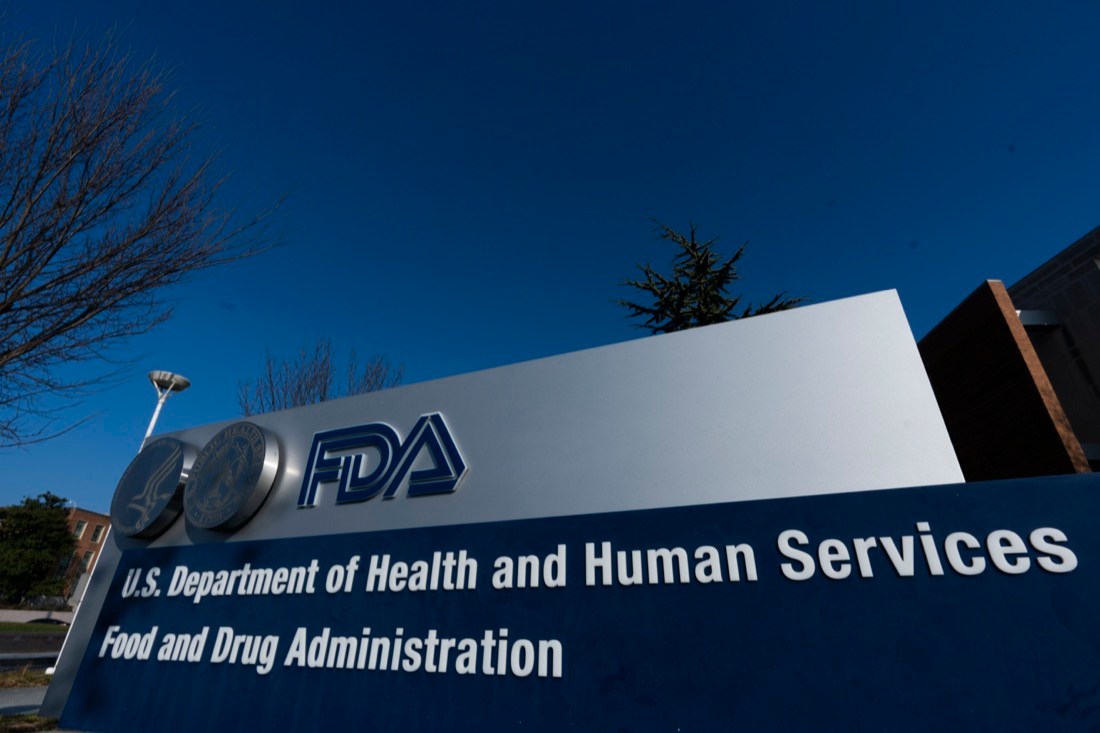
WASHINGTON (AP) – Each year the U.S. approves dozens of new uses for cancer drugs based on early signs that they can shrink or slow the spread of tumors.
But how often do those initial results translate into longer, healthier lives for patients?
That seemingly simple question is one of the thorniest debates in medicine. It spills into public view Tuesday as the Food and Drug Administration convenes the first meeting in a decade to consider clawing back approvals from several cancer drugs that have failed to show they extend or improve life.
The agency says it has used innovative research shortcuts to speed up the availability of medicines for desperately ill patients. But many researchers say it has failed to crack down on medications that don’t deliver on their early promise, leaving a glut of expensive, unproven cancer drugs on the market.
“Doctors are using these drugs and patients are receiving them with all their toxicities and without knowing whether they actually doing anything,” said Dr. Ezekiel Emanuel, a cancer specialist and bioethicist at the University of Pennsylvania. “We should not be in a situation where we’re endlessly uncertain.”