
Friday, October 30, 2026Oct 30

This story is free to read.

AP Interview: Pollution could delay Olympic rowing regattas

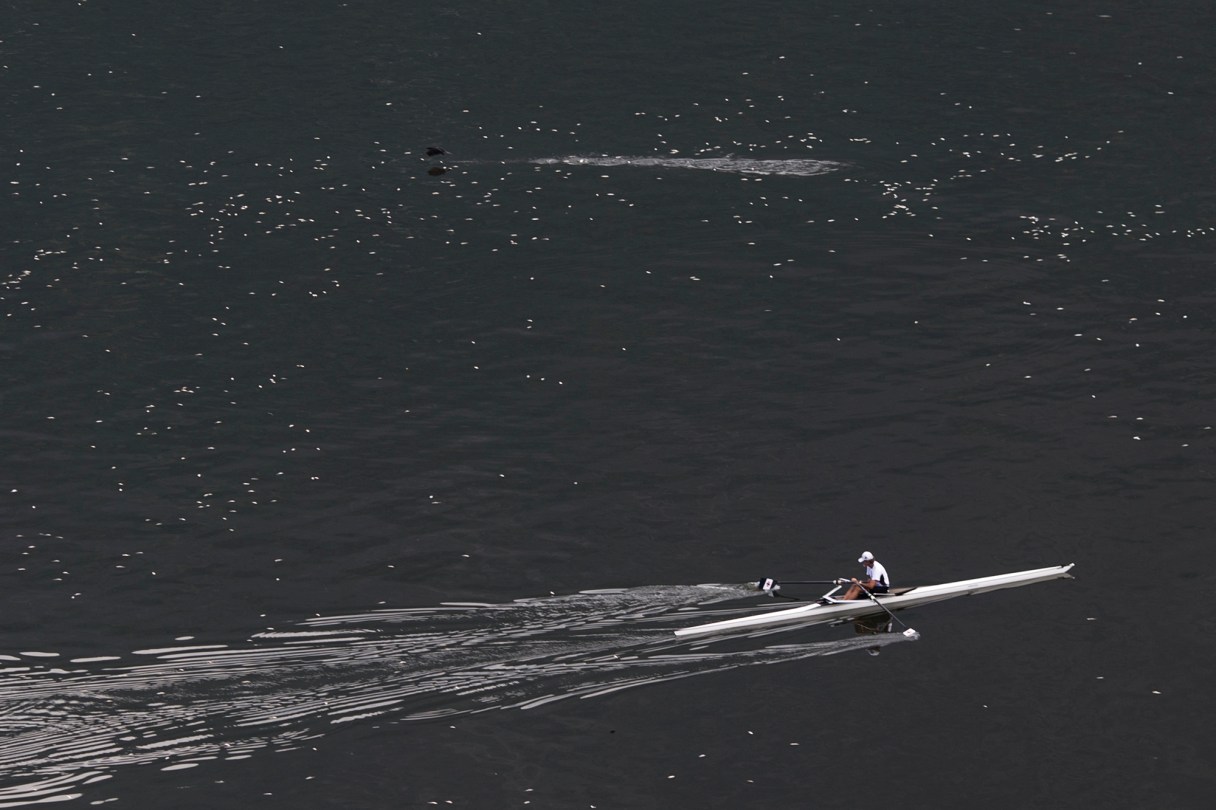
FILE - In this April 16, 2015 file photo, a man rows in the Rodrigo de Freitas lagoon, where Olympic rowing competitions are slated to be held during the 2016 games, surrounded by dead small silvery fish in Rio de Janeiro, Brazil. Matt Smith, the head of rowing's world governing body said in May 2015 that water pollution levels at the sport's venue could force events to be postponed. (AP Photo/Felipe Dana, File)
FILE - In this April 16, 2015 file photo, a man rows in the Rodrigo de Freitas lagoon, where Olympic rowing competitions are slated to be held during the 2016 games, surrounded by dead small silvery fish in Rio de Janeiro, Brazil. Matt Smith, the head of rowing's world governing body said in May 2015 that water pollution levels at the sport's venue could force events to be postponed. (AP Photo/Felipe Dana, File) FILE - In this April 16, 2015 file photo, a man rows in the Rodrigo de Freitas lagoon, where Olympic rowing competitions are slated to be held during the 2016 games, surrounded by dead small silvery fish in Rio de Janeiro, Brazil. Matt Smith, the head of rowing's world governing body said in May 2015 that water pollution levels at the sport's venue could force events to be postponed. (AP Photo/Felipe Dana, File)

RIO DE JANEIRO (AP) – The head of rowing’s governing body says races at next year’s Olympics could be delayed because of severe water pollution at the venue.

In an interview with The Associated Press, World Rowing Federation executive director Matt Smith said events may be suspended for a day or two if pollution spikes. But he says athletes are “not a high risk” with no plans to abandon the small lake in central Rio, site of a massive fish die-off last month.

“The situation is not traumatic or dangerous from what we understand so far,” Smith said. “But we want to get all the facts and explanations.”

Much of the water around Rio de Janeiro is polluted.

The Olympics have highlighted decades of neglected sanitation. Brazil is spending at least $12 billion in private and public money for sports and urban infrastructure for the 2016 Olympics, with little earmarked for sewage treatment.