
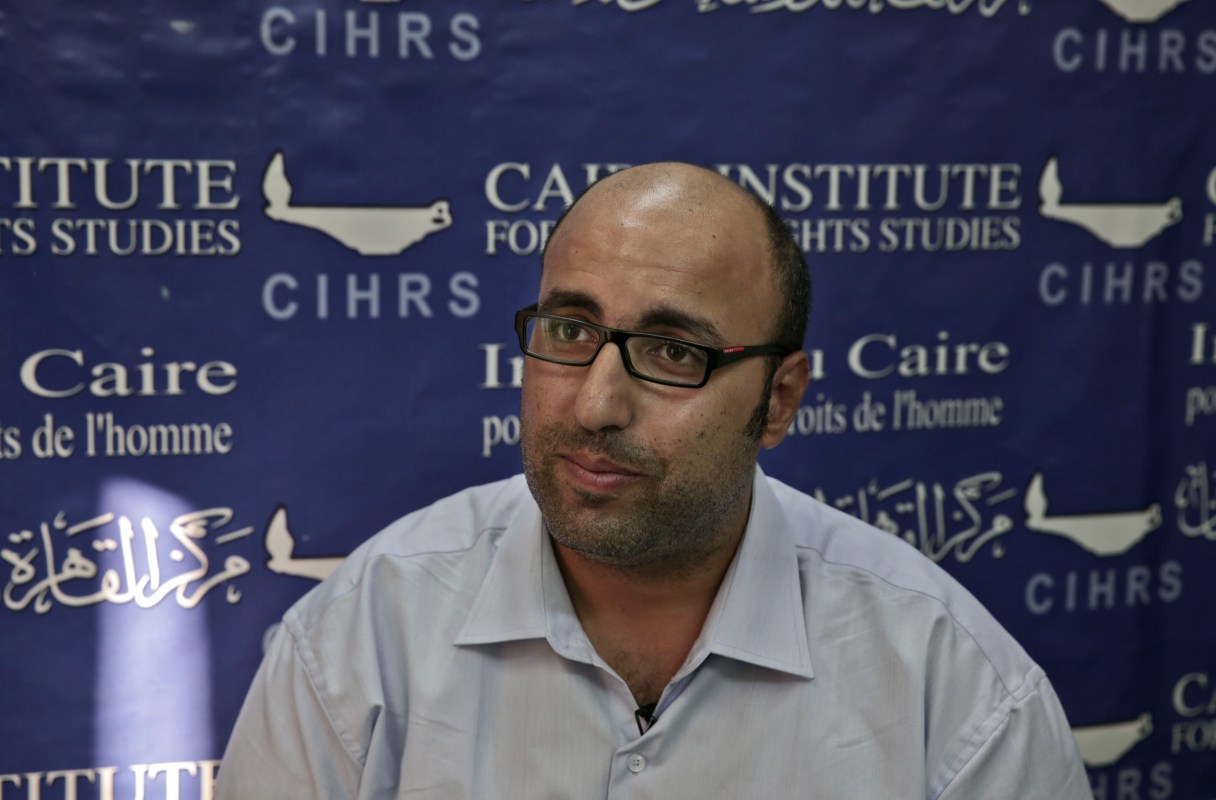
CAIRO (AP) – Civil society groups in Egypt long had a tenuous position under the rule of autocrat Hosni Mubarak, but they were able to operate. Now those groups, ranging from human rights defenders to advocates of economic justice, fear even that margin of freedom is disappearing and that they are on the way to being silenced.
The government of newly elected President Abdel-Fattah el-Sissi has ordered non-governmental organizations to submit to regulations that gives the state sweeping authority over their activities and financing – and dangles over them the threat of prosecution if they violate vague guidelines against “hurting national security” or “affecting public morals.”
Further adding to the worries, el-Sissi last month revised the penal code to impose a life prison sentence against anyone who requests or receives funding from abroad with the aim of “harming national interests.” Human rights groups and other non-governmental organizations – many of which receive international funding – warn that the broad phrasing could be used against them.
Egypt’s civil society groups had once hoped that the country’s 2011 revolution that ousted Mubarak would give them greater freedom to operate. However, el-Sissi has repeatedly said that while he would like to bring greater democracy, rights and liberties cannot be allowed to undermine his goal of bringing stability to a country in turmoil. El-Sissi, as Egypt’s military chief at the time, removed the elected Islamist President Mohammed Morsi last year and launched a crackdown against Islamists that has expanded to other critics of the government.
Worries among non-governmental organizations were sparked when they were ordered to register by Nov. 10 under a Mubarak-era law regulating such groups. The law gives the government and security agencies sweeping authority over staffing decisions, activists and funding. It also forbids the organizations to conduct activities that affect “public morals, order or unity” – vague terms that could be used to stop many NGO operations, particularly those by human rights groups.