
 Sen. Lamar Alexander (R-Tenn.) speaks to reporters as he departs from the Senate floor after a vote on the 21st Century Cures Act, on Capitol Hill in Washington. The Senate joined the House in approving the bill, which increases funding for disease research, addresses weaknesses in the nation’s mental health systems and vastly alters the regulation of drugs and medical devices. (Al Drago/The New York Times)
Setting priorities helps
Over the past few months, city and county leaders have tackled a prickly topic – tax breaks for developers – and perhaps have now finally turned one proposal into the proverbial win-win. Or actually, a win-win-win.
The accomplishment is a long-term tax break for a developer, new revenue from a property that wasn’t producing any and the preservation of affordable homes for seniors living on low to moderate incomes.
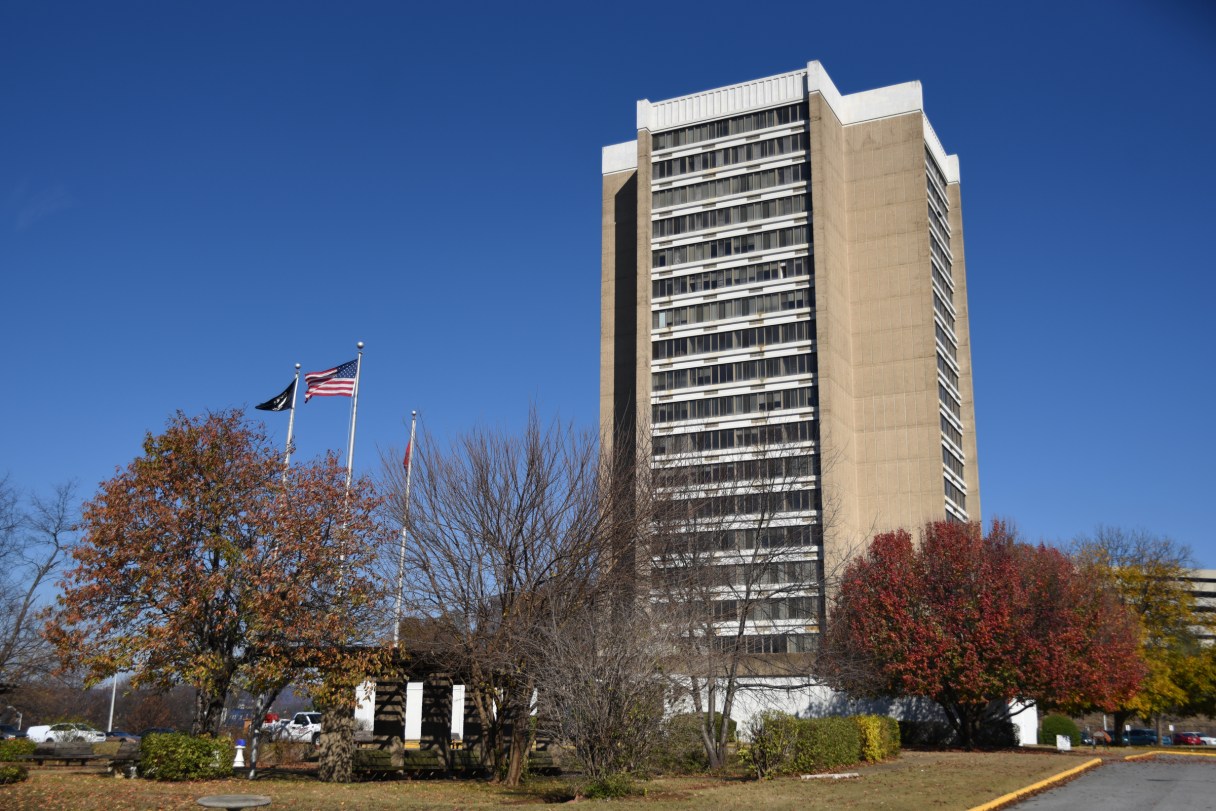
The project is the planned rehabilitation of Jaycee Towers. On Wednesday, the Hamilton County Commission voted 8-0 to approve a 41-year tax break for a Portland, Maine, firm that will revamp the dilapidated property. The Chattanooga City Council unanimously approved the proposal last month. And the citizens group that usually opposes tax breaks for developers made no protest after they received extra time to examine it. This time, the tax break plan includes clauses to collect back taxes if the company doesn’t fulfill its obligations. But perhaps more importantly, it’s just the right thing to do.
Officials with Jaycee Future Corp., the nonprofit agency that built the 18-story tower in 1970, had said it couldn’t keep operating the apartment high-rise at 500 W. M.L. King Blvd. Without a new owner willing to invest in the property (60 units are so rundown they are uninhabitable), the doors would close in a few months and the more than 100 residents would have to find new homes, Jaycee Future Foundation board member Doug Chinery said.
The ball began rolling in July when Chattanooga Mayor Andy Berke announced that the city and county would retool a tax incentive program for developers who build rental property downtown to a more open-ended one providing incentives only for affordable housing.
Such a retooling made good sense. New downtown high-end condo rental units were already bringing market-value sales and leases. It was affordable housing that needed a boost.
But the Jaycee Towers project brings added benefit. Because the structure has been owned by a nonprofit, it was not subject to property taxes at all. Now the revamped $695- to $880-a-month apartments – for which elderly folks will pay 30 percent of their income (the rest will be subsidized by the federal government) – will be on the tax rolls.
Even with the tax breaks, the developer, Wishrock Housing Partners & Investment Group, will pay $51,000 a year for the first 11 years of the agreement, which will fund the county school system. With each succeeding 10-year period, the developer will pay an additional 15 percent toward school funding. By the last 10-year period of the agreement, Wishrock will pay $77,564 annually.
Government is not a business. It’s a service. And this – finding a way to fix a thorny problem in a way that works for taxpayers, developers and the most vulnerable among us – was an example of good government.
Give and take helps, too
Congress has finally done something.
On Nov. 30, the House approved the 21st Century Cures Act by an overwhelming 392-26 vote. On Wednesday, with a 94-5 vote, the Senate did the same.
The $6.3 billion legislation funds medical research and sends $1 billion to states to help combat heroin and painkiller addiction and assist with recovery. It will help the Food and Drug Administration speed up drug approvals, and it pushes better use of technology in medicine to tackle diseases like Alzheimer’s.
It also will pay for some of President Barack Obama’s pet projects – including the Cancer Moonshot that Vice President Joe Biden leads.
The 21st Century Cures Act was one of the most heavily lobbied pieces of legislation in recent history. It has been two years in the making, and Tennessee Republican Sen. Lamar Alexander has been an integral part of shepherding it to passage.
But – to borrow a phrase from medicine – there are complications.
Critics of the legislation say it rewards the pharmaceutical companies that fueled the boom in opioid abuse in the first place. Other detractors decry the increased influence they say the measure gives to Big Pharma.
To be sure, no health care-related bill of this size could move through Congress without the support of Big Pharma. The shapers of the 21st Century Cures Act earned the industry’s support by including regulatory rollbacks that drugmakers have long sought and creating cheaper and quicker paths for drug approval – sometimes, critics say, by reducing safeguards.
But Alexander calls the 996-page bill “the most important bill of the year.”
“[Developing medicine] costs too much. We’re trying to reduce the cost and reduce the amount of time it takes and still make it safe,” he said.
Certainly, no bill is perfect. But taking no action is not a cure, and this action – especially the provisions for mental health care, drug addiction care and the cancer moonshot – was long overdue.
Kudos, Sen. Alexander.