
Tuesday, November 3, 2026Nov 3

This story is free to read.

Researchers work to spread prized genes of Yellowstone bison

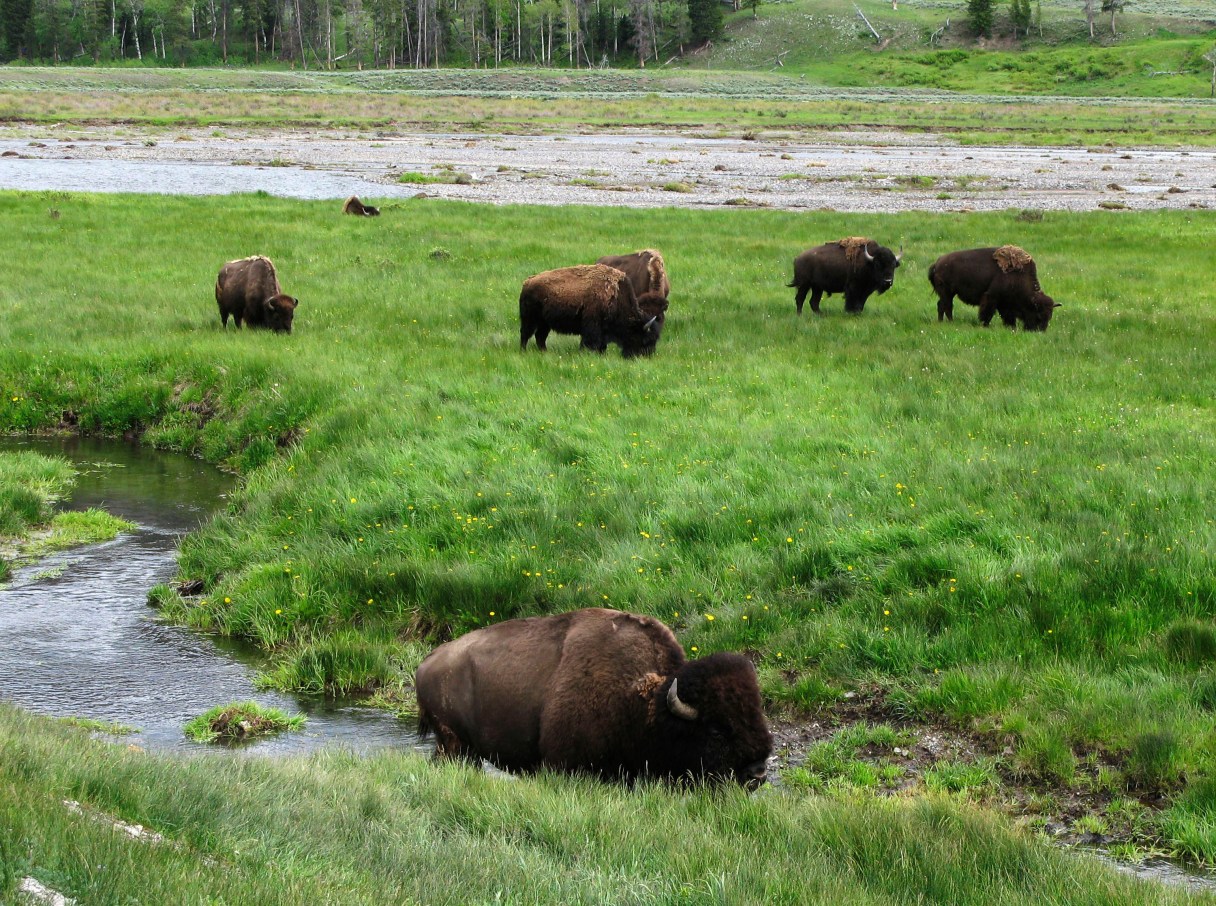
FILE - In this June 19, 2014, file photo, bison graze near a stream in Yellowstone National Park in Wyoming. Researchers have transplanted embryos with roots in the bison herd at Yellowstone National Park into female bison at the Minnesota Zoo in hopes of increasing the genetic diversity of bison herds in the state and refining a tool that could be used across the country 
someday as part of efforts to restore the animals to the American landscape. (AP Photo/Robert Graves, File)
FILE - In this June 19, 2014, file photo, bison graze near a stream in Yellowstone National Park in Wyoming. Researchers have transplanted embryos with roots in the bison herd at Yellowstone National Park into female bison at the Minnesota Zoo in hopes of increasing the genetic diversity of bison herds in the state and refining a tool that could be used across the country someday as part of efforts to restore the animals to the American landscape. (AP Photo/Robert Graves, File) FILE - In this June 19, 2014, file photo, bison graze near a stream in Yellowstone National Park in Wyoming. Researchers have transplanted embryos with roots in the bison herd at Yellowstone National Park into female bison at the Minnesota Zoo in hopes of increasing the genetic diversity of bison herds in the state and refining a tool that could be used across the country someday as part of efforts to restore the animals to the American landscape. (AP Photo/Robert Graves, File)

MINNEAPOLIS (AP) – Researchers have transplanted embryos originating from the bison herd at Yellowstone National Park into female bison in Minnesota in hopes of increasing the genetic diversity of herds in the state and helping to restore America’s official mammal to the landscape.

Yellowstone bison are prized because they’re free of domestic cattle genes. But experts say using them in breeding programs is difficult because they carry a contagious disease that causes spontaneous abortions in pregnant cattle.

Colorado State University animal reproduction professor Jennifer Barfield last month implanted embryos in four female bison at the Minnesota Zoo. Researchers will check in the coming months to see if the animals became pregnant. If all goes well, they’ll give birth to baby bison in the spring.