
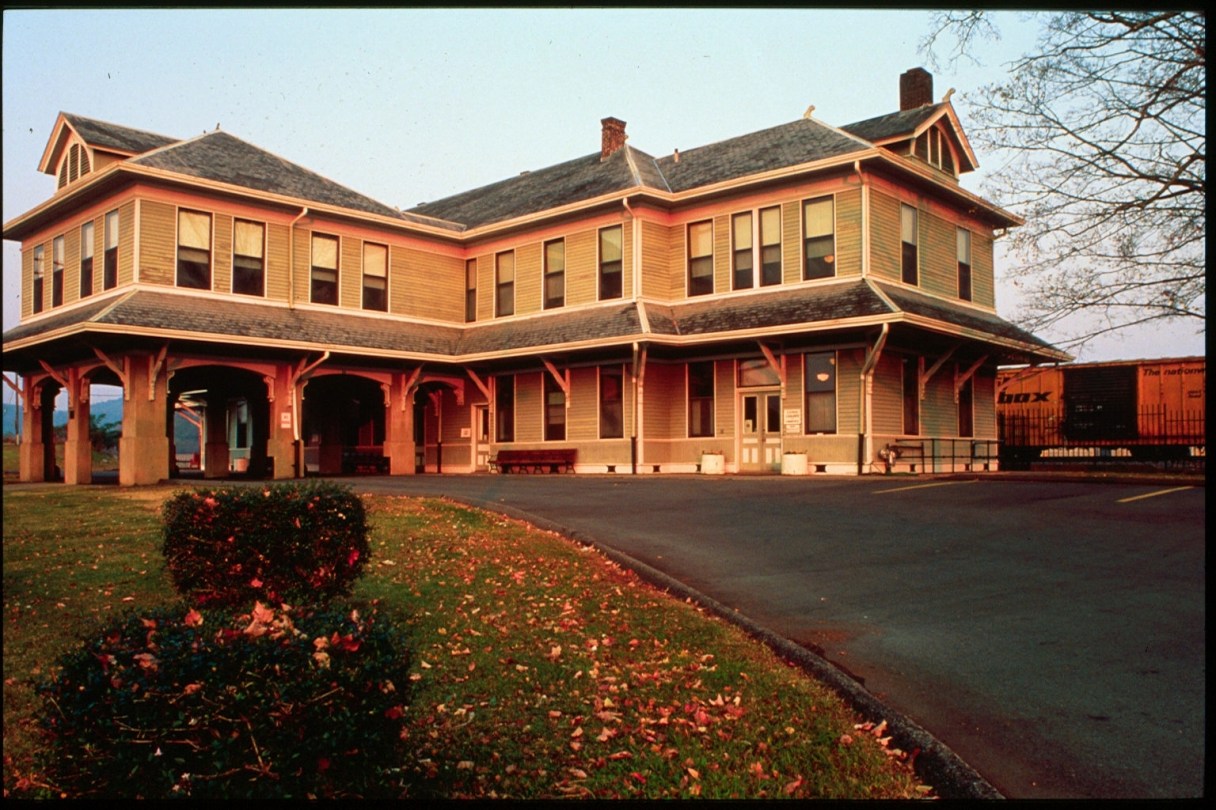

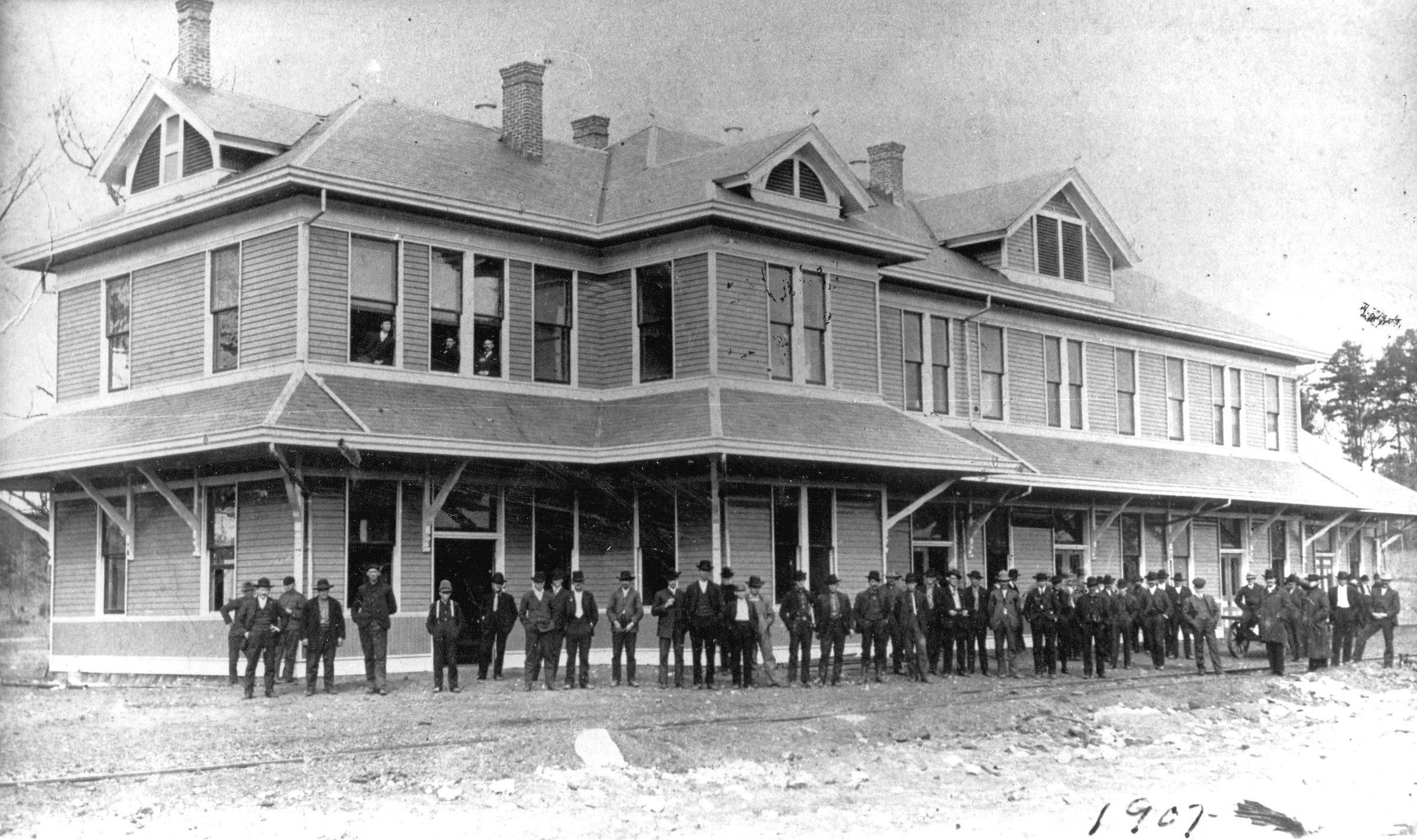
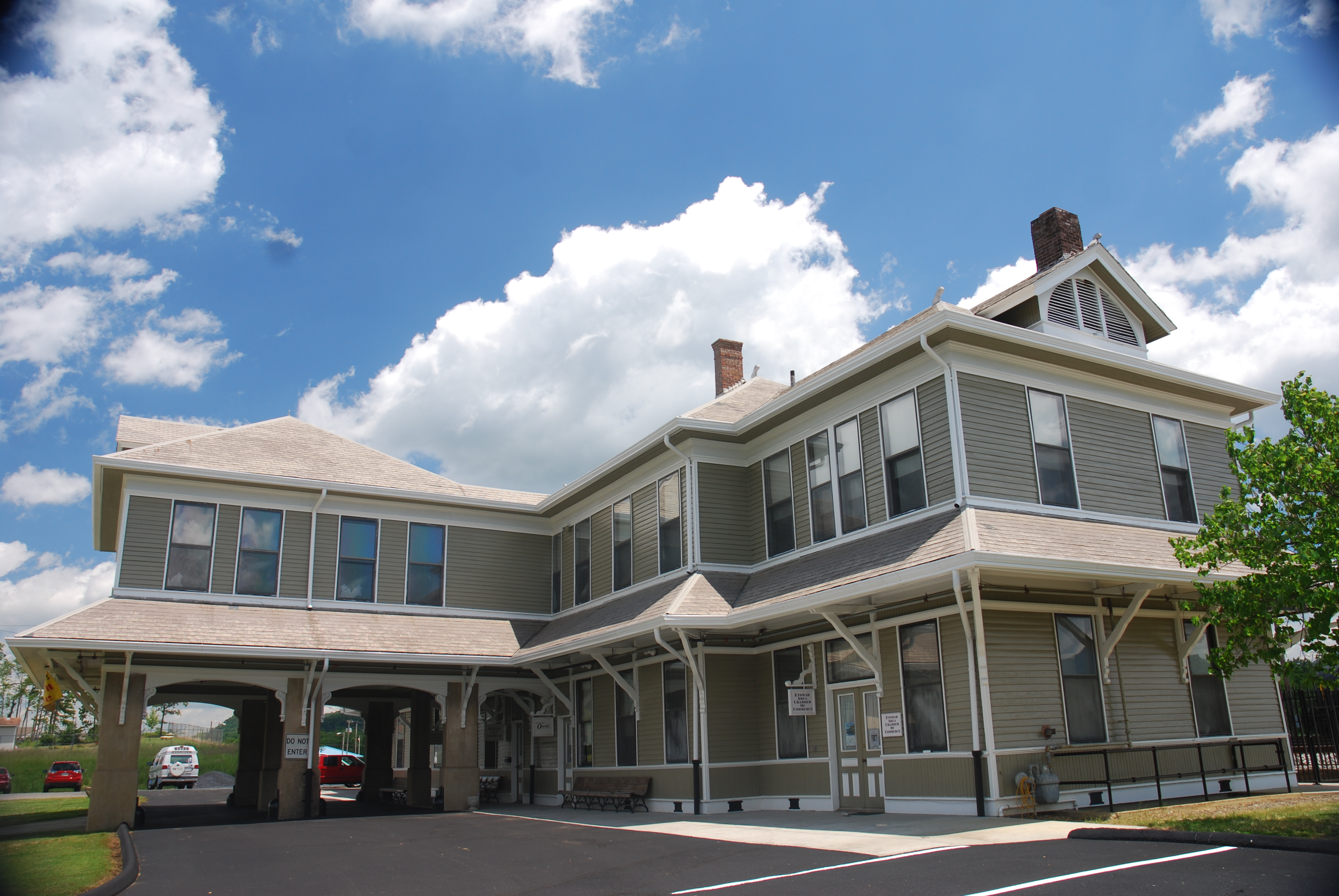
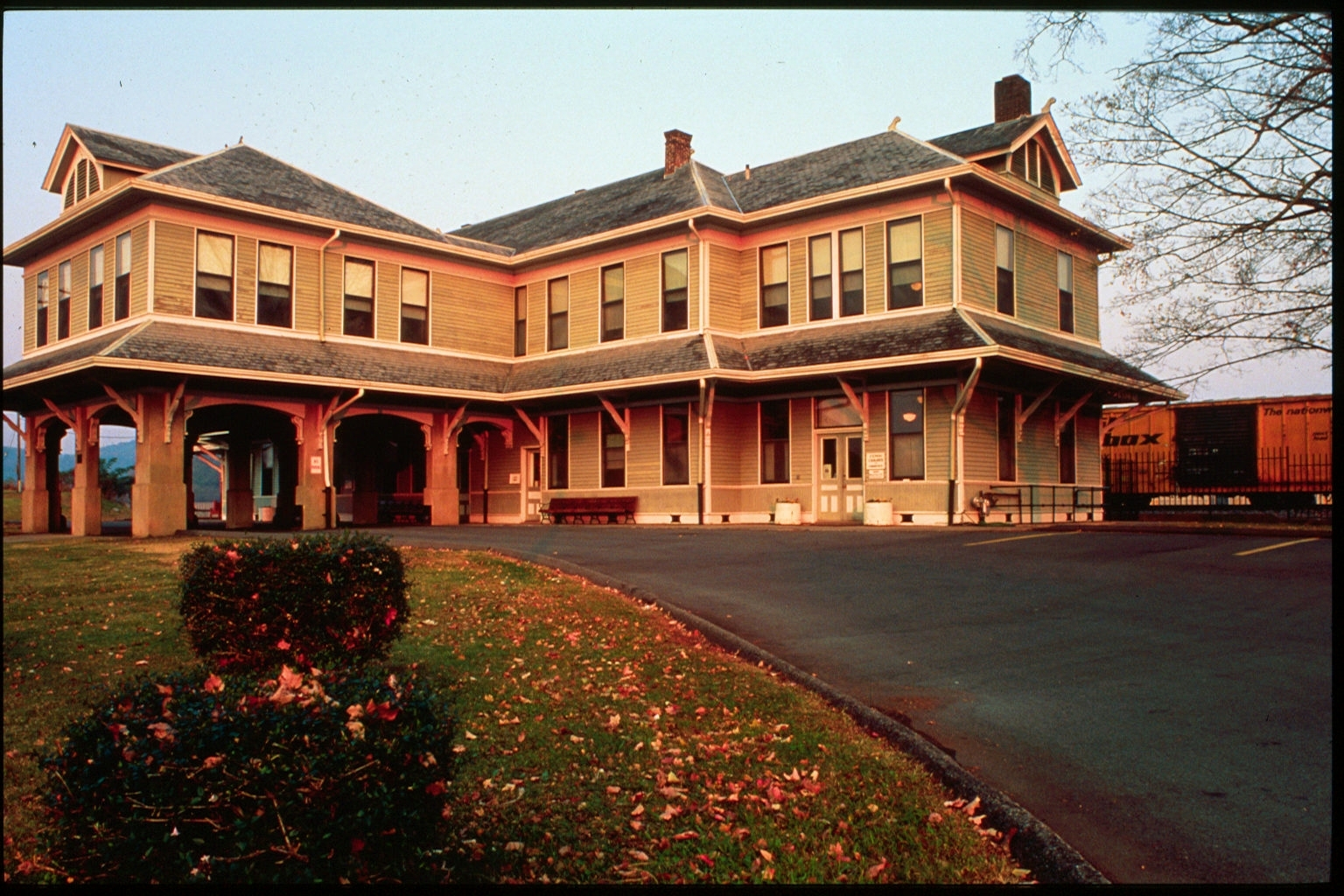
ETOWAH, Tenn. – The 101-year-old Etowah Depot in McMinn County is in line for almost $55,000 in updates in what Etowah Historical Commission officials call an “ambitious” upgrade project.
A $54,800 USDA Rural Development grant was awarded recently to the Etowah Historical Commission for extensive improvements to the historic Etowah Depot. The money will fund the development of new interpretive exhibits throughout the depot and upgrading the downstairs restrooms to meet federal ADA requirements.
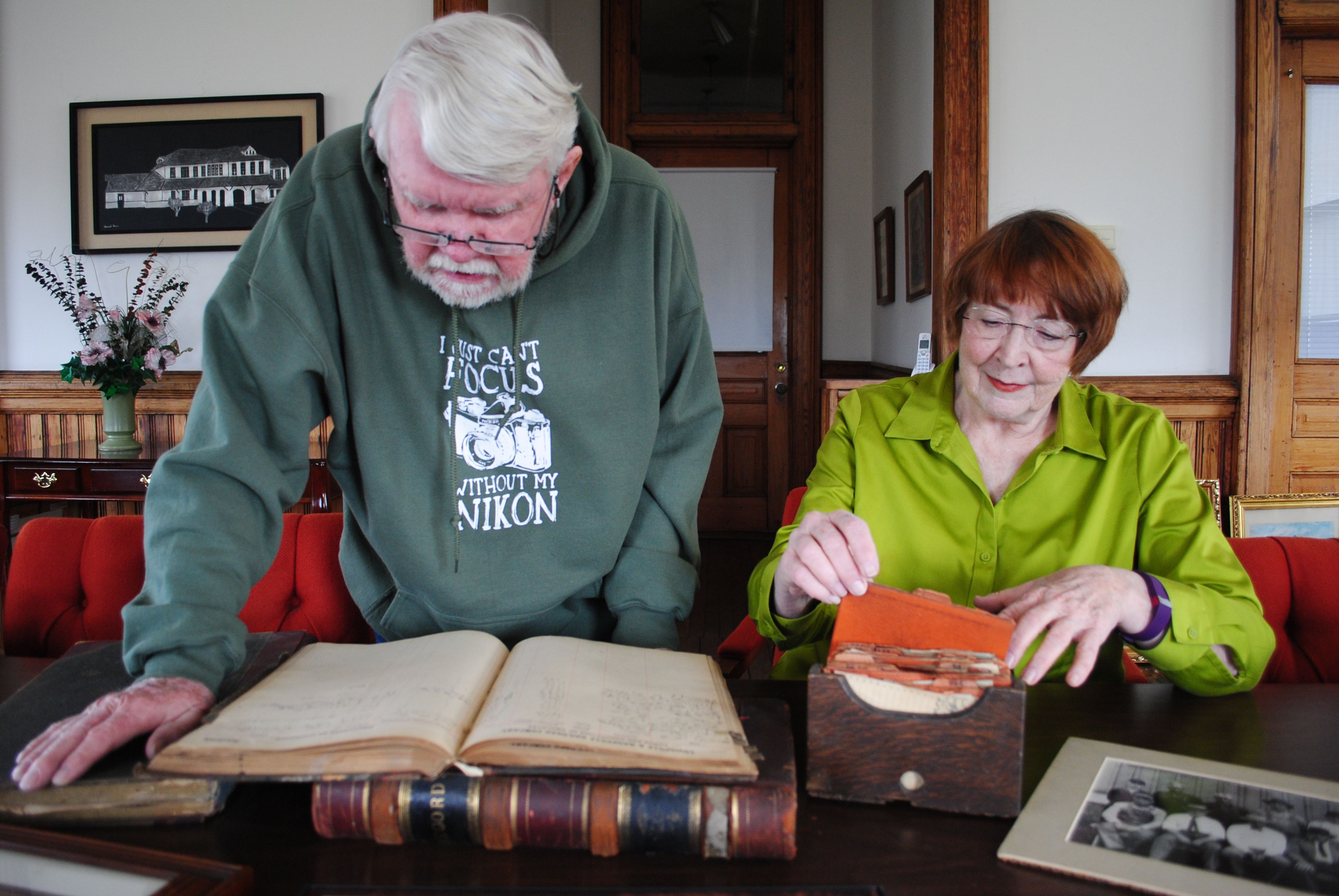
“The downstairs exhibits were put in there in 1989, so they’ve been there a long time,” historical commission volunteer Linda Caldwell said. Caldwell, long affiliated with the depot, commission and Tennessee Overhill Heritage Association, said the commission’s board has been enthusiastic and excited about the coming improvements.
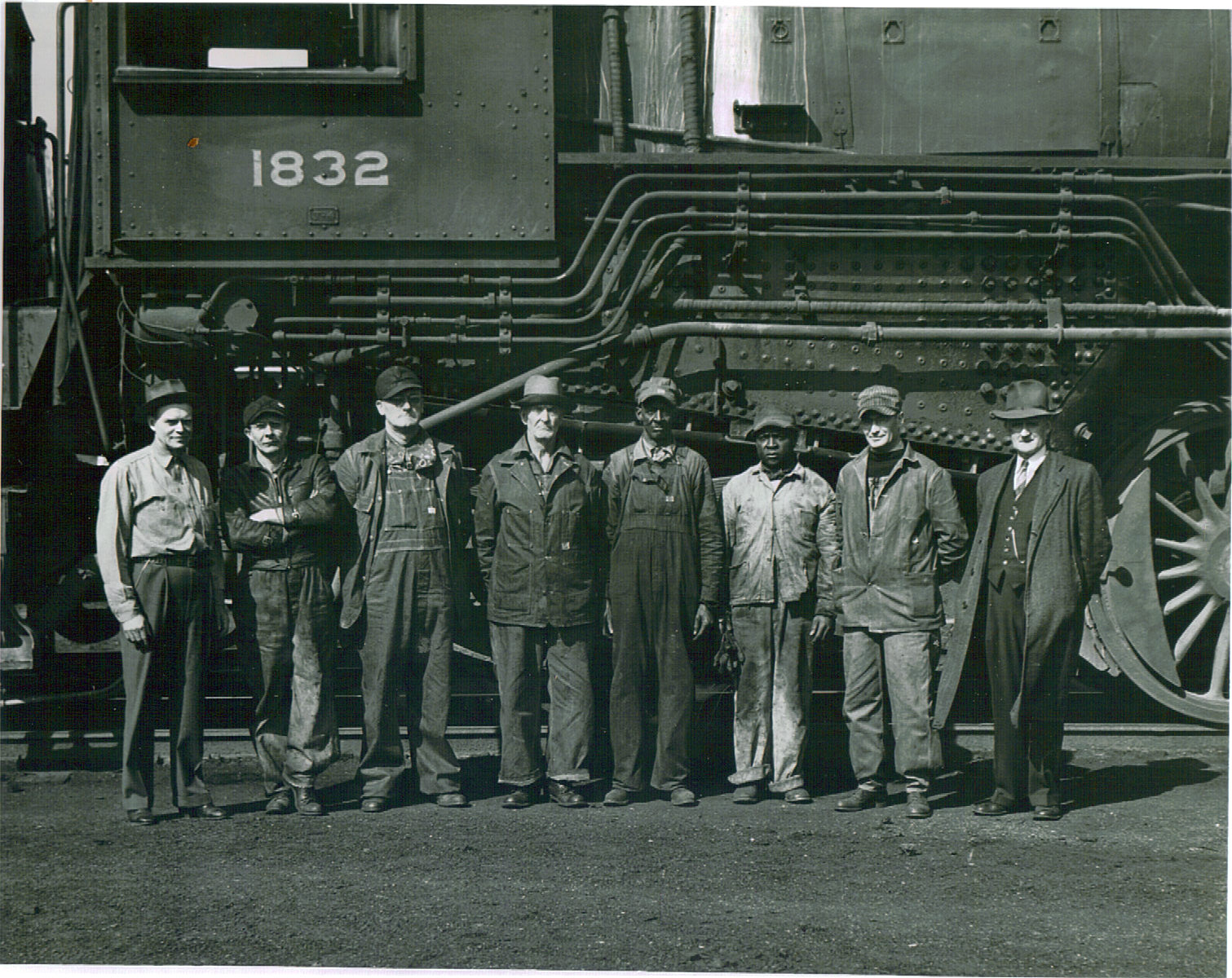
The current exhibits focus on why the railroad came to the area and the relationship over time between the railroad and the people of the community and how they shaped one another.
“That scene will continue but it will be presented in different ways,” she said. “We’re going to have different things on exhibit, new panels, newer artifacts that we’ve collected, new cases. It’ll just be completely refreshed downstairs.”