
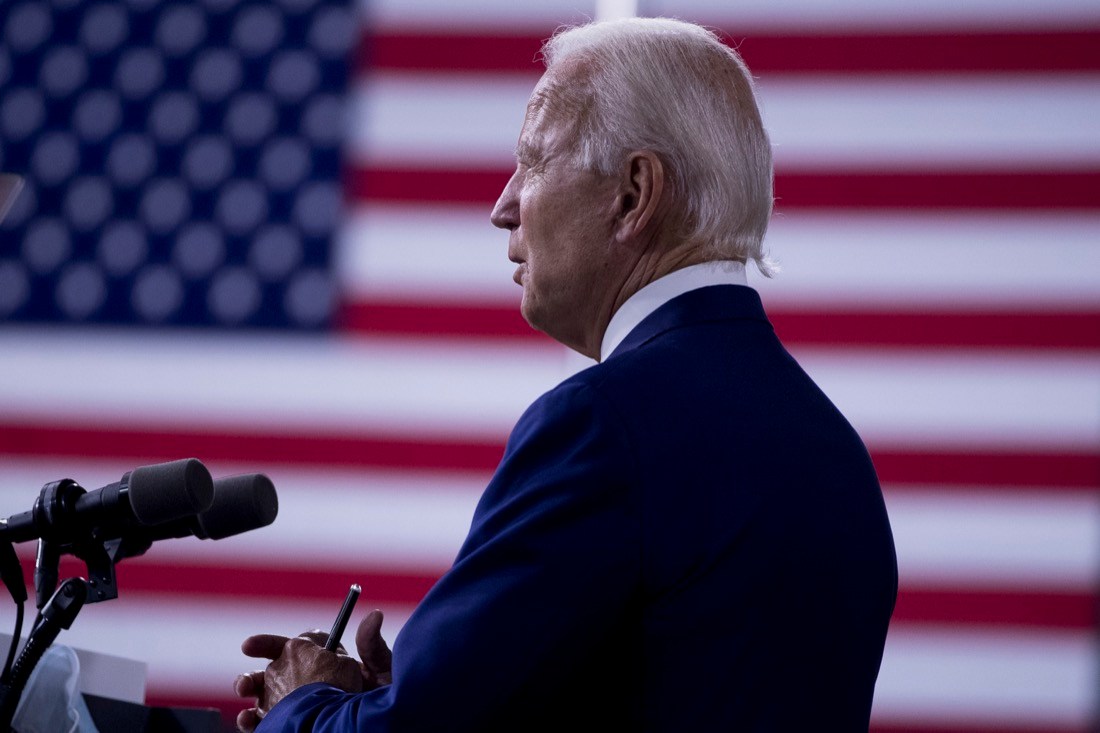
WASHINGTON (AP) – Should former Vice President Joe Biden win the White House in November, America will likely be in for a foreign policy about-face as Biden reverses, dismantles or severely curtails many of President Donald Trump’s most significant and boldest actions.
From the Middle East to Asia, Latin America to Africa and, particularly, Europe, and on issues including trade, terrorism, arms control and immigration, the presumptive Democratic nominee and his advisers have vowed to unleash a tsunami of change in how the U.S. handles itself in the international arena.
With few exceptions, Americans could expect Biden to re-engage with traditional allies. Where the iconoclastic Trump has used blunt threats and insults to press his case, Biden, a former senator, would be more inclined to seek common ground.
Historically, U.S. foreign policy hasn’t changed drastically as the presidency shifted between Democratic and Republican administrations. Allies and adversaries stayed the same and a non-partisan diplomatic corps pursued American interests.
That changed with Trump. Under his “America First” policy, he viewed both allies and the foreign policy establishment with suspicion, while speaking warmly of adversaries like North Korea’s Kim Jong Un and Russia’s Vladimir Putin.