
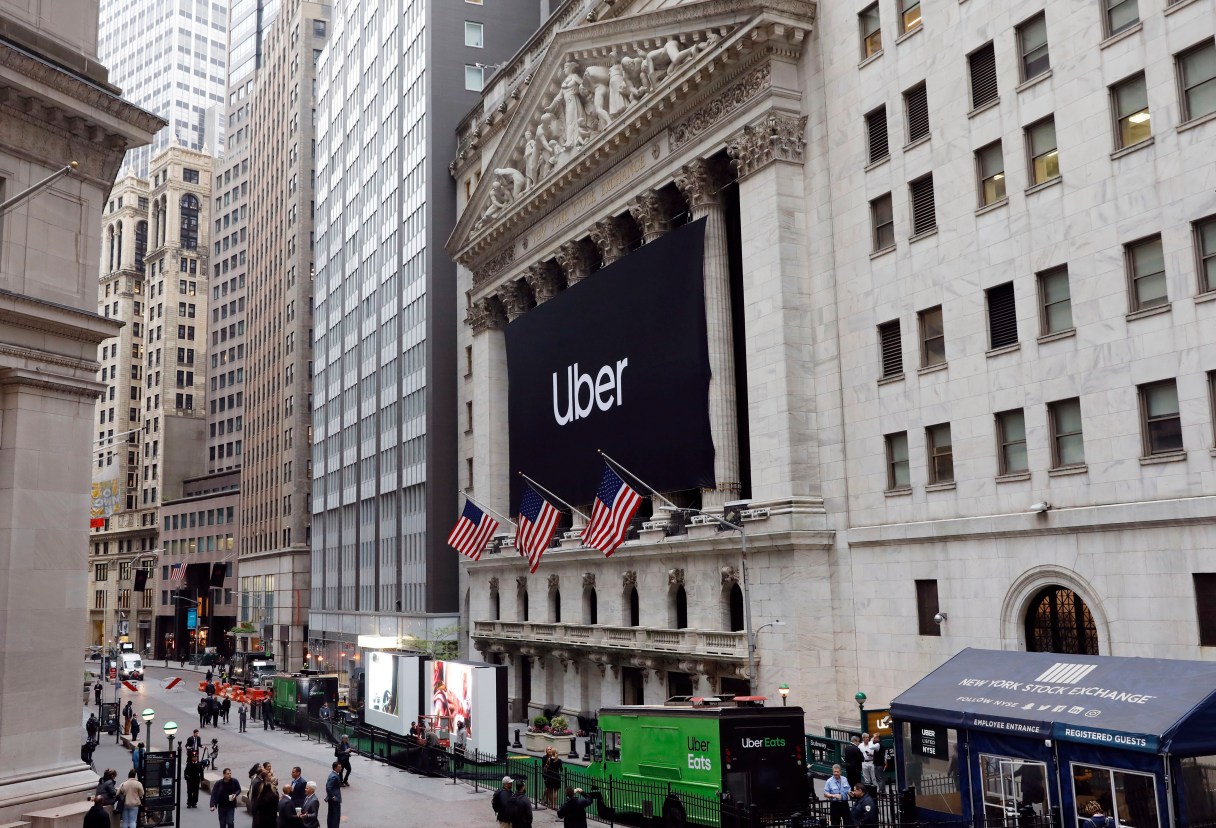
Uber is continuing to bleed money even as it posts dramatic revenue growth.
In its first financial report since its lackluster debut on Wall Street, Uber said Thursday that its revenue rose to $3.1 billion in the first quarter of 2019, up 20% from the same time last year, beating expectations of analysts polled by FactSet. But the ride-hailing giant posted $1 billion in losses as it fights to maintain its share of the market.
San Francisco-based Uber, like its main U.S. competitor Lyft, has spent heavily on rider promotions and driver incentives to gain market share, one reason the companies have struggled to reach profitability. Both are dealing with intense competition, high costs to pay drivers, increased regulation by cites and a long, uncertain road to the development of autonomous vehicles.
“Our investments remain focused on global platform expansion and long-term product and technology differentiation, but we will not hesitate to invest to defend our market position globally,” said Nelson Chai, Uber’s chief financial officer, in a statement.
Chai added that Uber noticed less aggressive pricing by its competitors, and that trend has continued into the second quarter.