
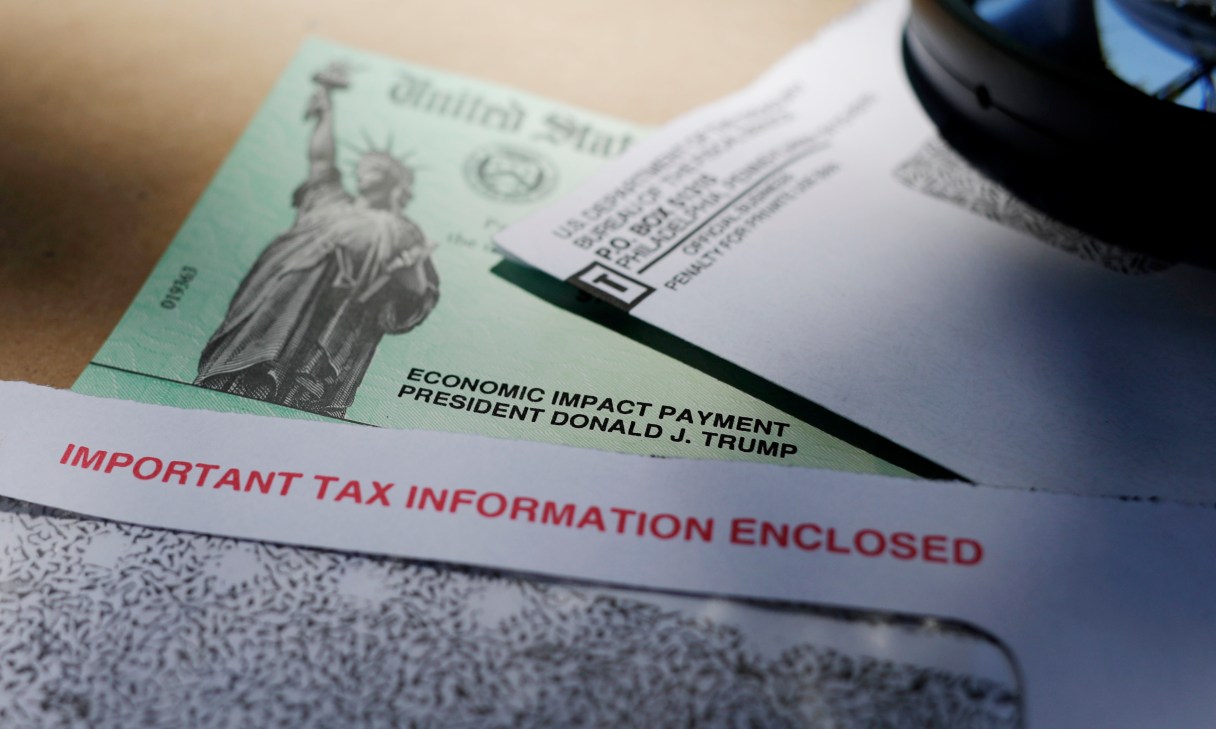
BOISE, Idaho (AP) – Hundreds of thousands of dollars in coronavirus relief payments have been sent to people behind bars across the United States, and now the IRS is asking state officials to help claw back the cash that the federal tax agency says was mistakenly sent.
The legislation authorizing the payments during the pandemic doesn’t specifically exclude jail or prison inmates, and the IRS has refused to say exactly what legal authority it has to retrieve the money. On its website, it points to the unrelated Social Security Act, which bars incarcerated people from receiving some types of old-age and survivor insurance benefit payments.
“I can’t give you the legal basis. All I can tell you is this is the language the Treasury and ourselves have been using,” IRS spokesman Eric Smith said. “It’s just the same list as in the Social Security Act.”
Tax attorney Kelly Erb, who’s written about the issue on her website, says there’s no legal basis for asking for the checks back.
“I think it’s really disingenuous of the IRS,” Erb said Tuesday. “It’s not a rule just because the IRS puts it on the website. In fact, the IRS actually says that stuff on its website isn’t legal authority. So there’s no actual rule – it’s just guidance – and that guidance can change at any time.”