
Friday, October 30, 2026Oct 30

This story is free to read.

Government clarifies rules for wellness programs at work

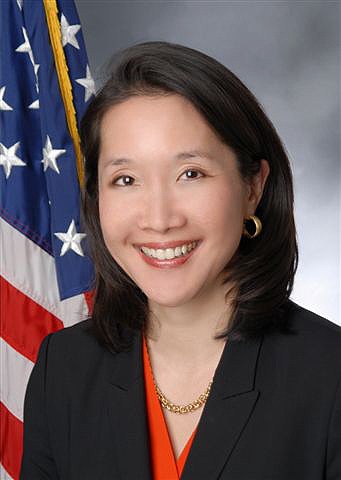
This undated handout photo provided by the Equal Opportunity Employment Commission (EEOC) shows EEOC Chair Jenny Yang. Federal regulators are proposing limits on how employers use financial penalties and rewards to nudge employees to participate in fast-growing workplace wellness programs. The EEOC _ which enforces laws against discrimination _ said Thursday that employers can use financial incentives up to 30 percent of the cost of premiums for single coverage, provided certain other safeguards are met. (Peter Cutts/EEOC via AP)
This undated handout photo provided by the Equal Opportunity Employment Commission (EEOC) shows EEOC Chair Jenny Yang. Federal regulators are proposing limits on how employers use financial penalties and rewards to nudge employees to participate in fast-growing workplace wellness programs. The EEOC _ which enforces laws against discrimination _ said Thursday that employers can use financial incentives up to 30 percent of the cost of premiums for single coverage, provided certain other safeguards are met. (Peter Cutts/EEOC via AP) This undated handout photo provided by the Equal Opportunity Employment Commission (EEOC) shows EEOC Chair Jenny Yang. Federal regulators are proposing limits on how employers use financial penalties and rewards to nudge employees to participate in fast-growing workplace wellness programs. The EEOC _ which enforces laws against discrimination _ said Thursday that employers can use financial incentives up to 30 percent of the cost of premiums for single coverage, provided certain other safeguards are met. (Peter Cutts/EEOC via AP)

WASHINGTON (AP) – Federal regulators Thursday proposed limits on how employers use financial penalties and rewards to nudge staff to participate in fast-growing workplace wellness programs.

The Equal Employment Opportunity Commission – which enforces laws against discrimination – said Thursday that employers can use financial incentives up to 30 percent of the cost of premiums for single coverage, provided certain other safeguards are met.

Business groups and advocates for people with disabilities are closely watching the issue. Workplace programs that encourage workers to lose weight, quit smoking, get active and better manage stress are spreading throughout American businesses. Employers look for ways to cut costs associated with chronic illnesses, which are often tied to lifestyle.

The 30-percent standard was set in President Barack Obama’s health care overhaul law.

For example, if the total premium paid by the employer and employee for single coverage is $5,000, rewards or penalties for participating in a wellness program under that plan cannot exceed $1,500.