
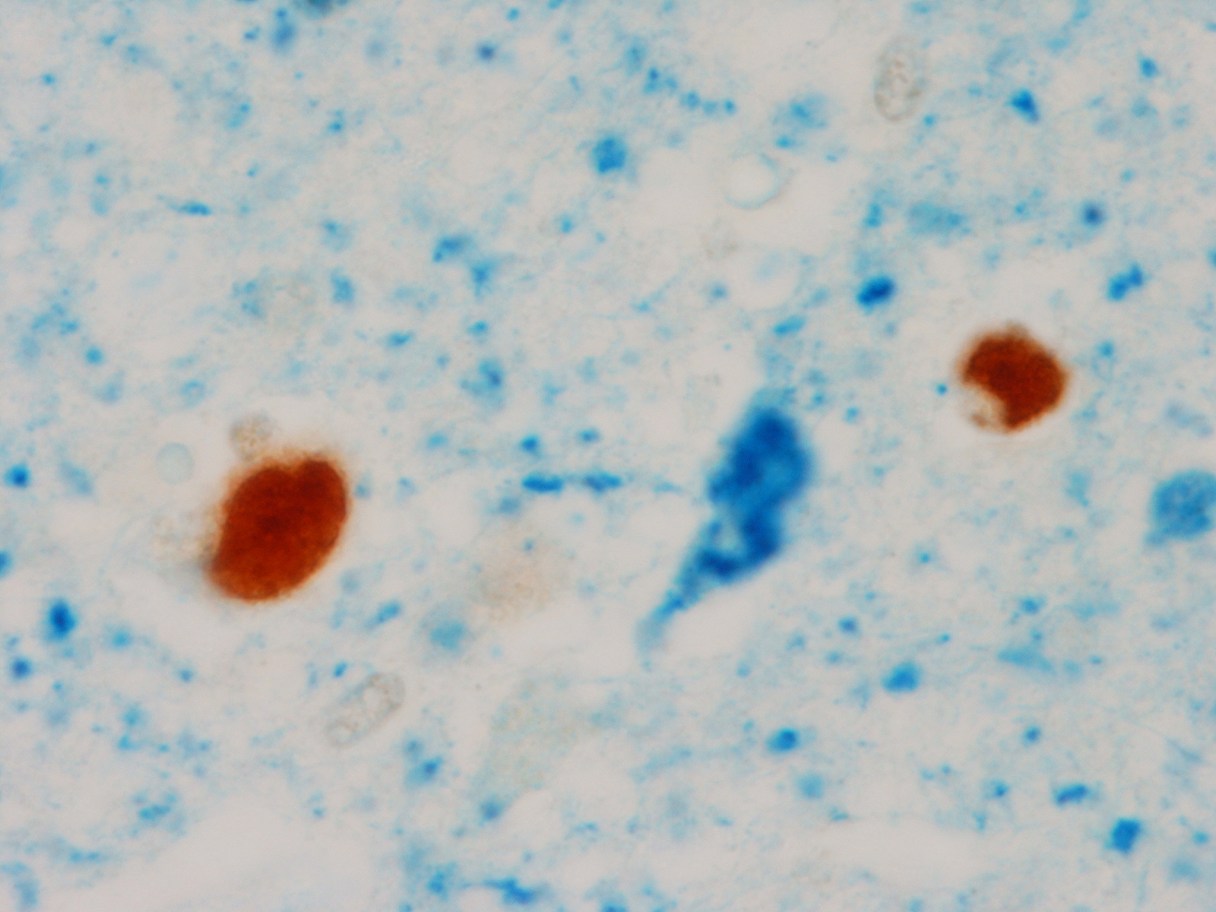
WASHINGTON — To sleep, perchance to… ward off Alzheimer’s? New research suggests poor sleep may increase people’s risk of Alzheimer’s disease, by spurring a brain-clogging gunk that in turn further interrupts shut-eye.
Disrupted sleep may be one of the missing pieces in explaining how a hallmark of Alzheimer’s, a sticky protein called beta-amyloid, starts its damage long before people have trouble with memory, researchers reported Monday at the Alzheimer’s Association International Conference.
“It’s very clear that sleep disruption is an underappreciated factor,” said Dr. Matthew Walker of the University of California, Berkeley, who presented data linking amyloid levels with people’s sleep and memory performance. “It’s a new player on the scene that increases risk of Alzheimer’s disease.”
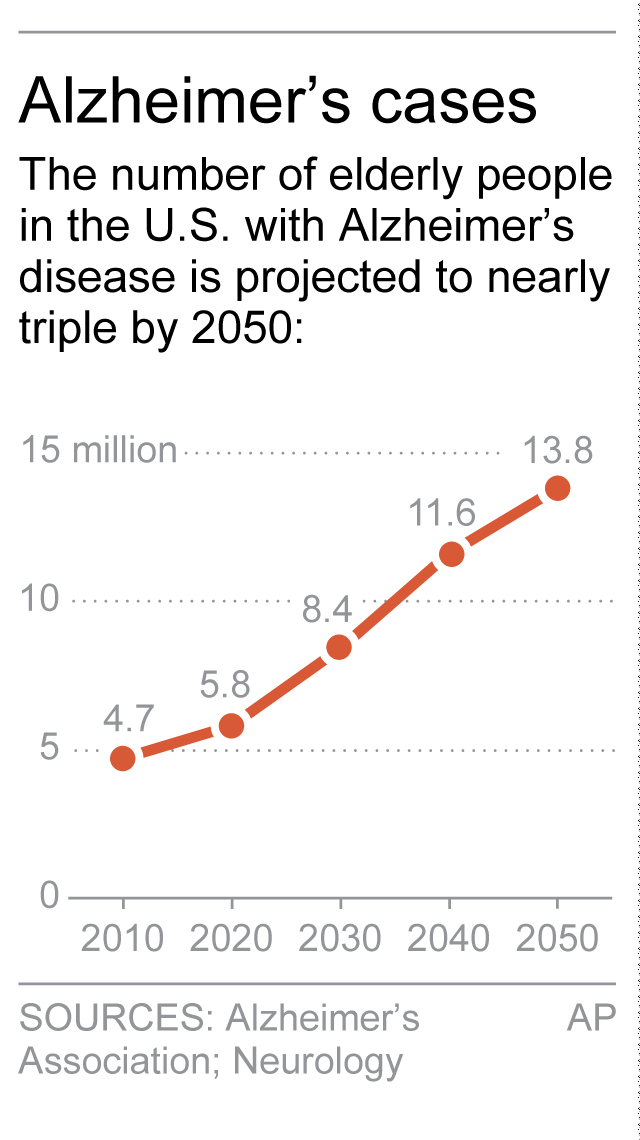 Graphic shows projection for number of people in U.S. with Alzheimer’s disease; 1c x 3 inches; 46.5 mm x 76 mm;
Sleep problems are treatable — and a key next question is whether improving sleep can make a difference in protecting seniors’ brains.
“Sleep is a modifiable factor. It’s a new treatment target,” Walker said.