
Friday, October 30, 2026Oct 30

This story is free to read.

Problem drinking affects 33 million _ 14 pct. of US adults

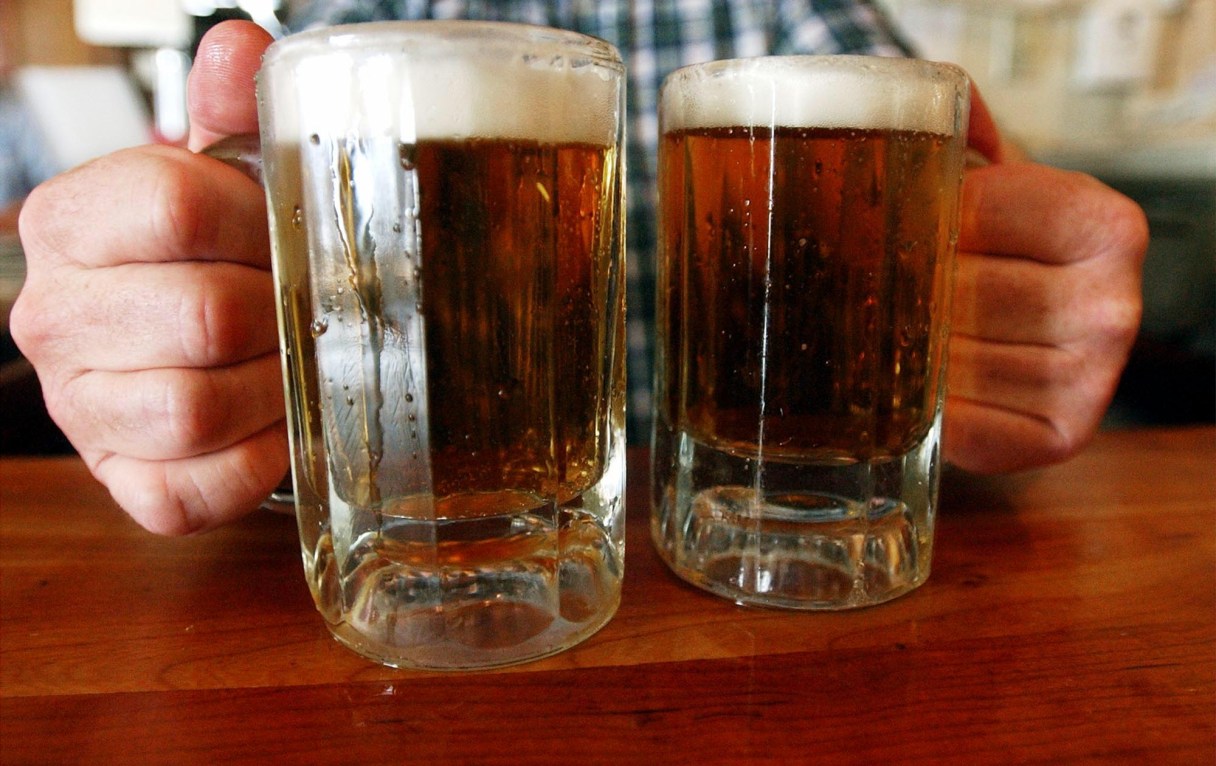
FILE - In this  June 29, 2004 file photo, a bartender serves two mugs of beer at a tavern in Montpelier, Vt. Alcohol problems affect almost 33 million adults and most have never sought treatment. That's according to a government survey indicating that rates have increased in recent years.   (AP Photo/Toby Talbot, File)
FILE - In this June 29, 2004 file photo, a bartender serves two mugs of beer at a tavern in Montpelier, Vt. Alcohol problems affect almost 33 million adults and most have never sought treatment. That's according to a government survey indicating that rates have increased in recent years. (AP Photo/Toby Talbot, File) FILE - In this June 29, 2004 file photo, a bartender serves two mugs of beer at a tavern in Montpelier, Vt. Alcohol problems affect almost 33 million adults and most have never sought treatment. That's according to a government survey indicating that rates have increased in recent years. (AP Photo/Toby Talbot, File)

CHICAGO (AP) – Alcohol problems affect almost 33 million adults and most have never sought treatment, according to a government survey that suggests rates have increased in recent years.

The study is the first national estimate based on a new term, “alcohol use disorder,” in a widely used psychiatric handbook that was updated in 2013.

Five things to know about the research published Wednesday in the journal JAMA Psychiatry:

DEFINING ALCOHOL PROBLEMS

The revised handbook, the DSM-5, defines problem drinkers or those with the disorder as people with at least two of 11 symptoms, including drinking that harms performance at work, school or home, frequent hangovers and failed attempts to limit drinking. Mild problems involve two to three symptoms; severe involve at least six symptoms. The new handbook combined alcohol abuse and dependence, which had been separate disorders, added craving as one symptom and eliminated alcohol-related legal problems as another.