
Monday, November 16, 2026Nov 16

Chinese political prisoner Liu Xiaobo dies at age 61

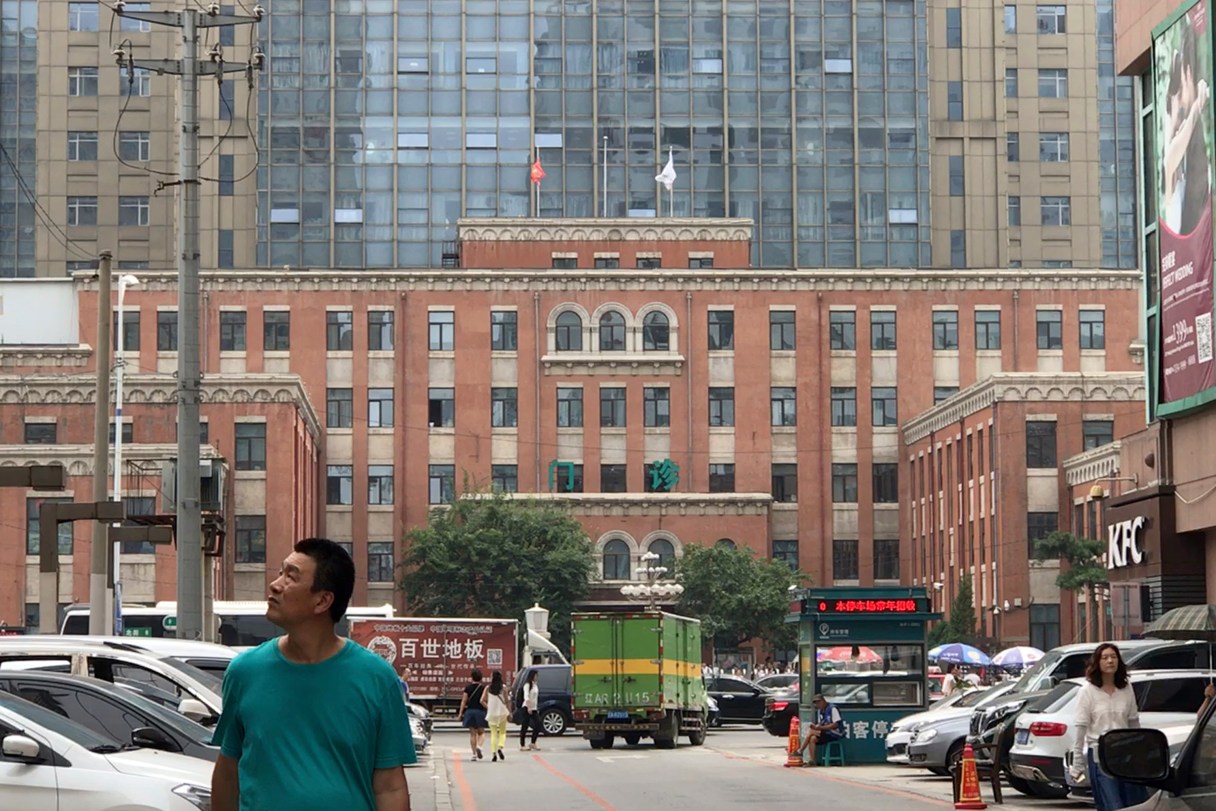
In this image taken from video, a man walks near the First Hospital of China Medical University where imprisoned Chinese Nobel Peace Prize laureate and dissident Liu Xiaobo is believed to have been transferred to after being diagnosed with late-stage liver cancer in Shenyang in northeastern China's Liaoning province, Thursday, July 13, 2017. Liu's condition is now life threatening with multiple organ failure, and his family has opted against inserting a breathing tube needed to keep him alive, the hospital treating him said on Wednesday. (AP Photo/Ng Han Guan)

SHENYANG, China (AP) – Officials say China’s most prominent political prisoner, Nobel Peace Prize laureate Liu Xiaobo, has died. He was 61.

Liu had been hospitalized for advanced liver cancer diagnosed in prison in May. The judicial bureau in the northeastern city of Shenyang said Thursday he died of multiple organ failure.

His supporters and foreign governments had urged China to allow him to receive treatment abroad, but Chinese authorities insisted he was receiving the best care possible for a disease that had spread throughout his body.

Liu was imprisoned for the first time in connection with the 1989 Tiananmen Square pro-democracy protests. He was awarded the Nobel Peace Prize in 2010 while serving his fourth and final prison sentence, for inciting subversion by advocating sweeping political reforms and greater human rights in China.