

Photo Gallery
Chattanooga area athletic and health officials say brain injury football study is wake-up call








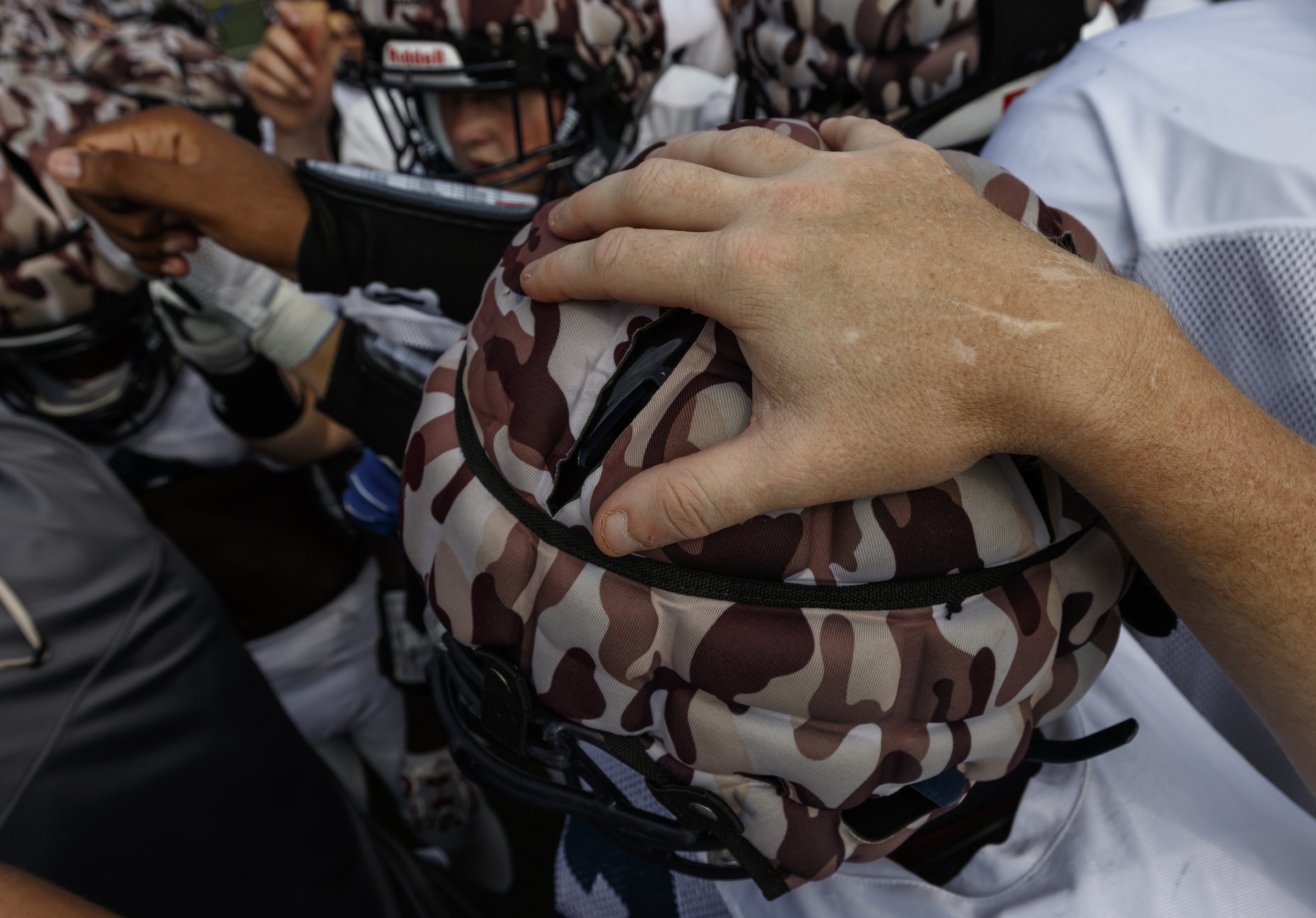

There are 18 days until the Chattanooga area’s first high school football game.
But while kickoff countdowns dwindled and fans began dusting off team colors, researchers presented a sobering reminder of football’s potential danger.
A study, published on July 25 in the Journal of the American Medical Association, examined donated brains from deceased, former football players ranging from youth to pros and found that nearly 88 percent of the individuals had chronic traumatic encephalopathy, or CTE, a degenerative brain disease thought to be caused by repeated head trauma.
The most alarming result was that 110 out of 111 National Football League players, which made up the bulk of the sample, showed signs of CTE. Forty-eight out of 53 college players and three out of the 14 high school players in the study were diagnosed with the disease.
The latest research is the largest CTE study ever conducted, and while the results are significant, the research’s major limitation is that the brains were not randomly selected – they were donated. Despite this weakness, the study suggests that football players may be at greater risk of developing neurological disease.