
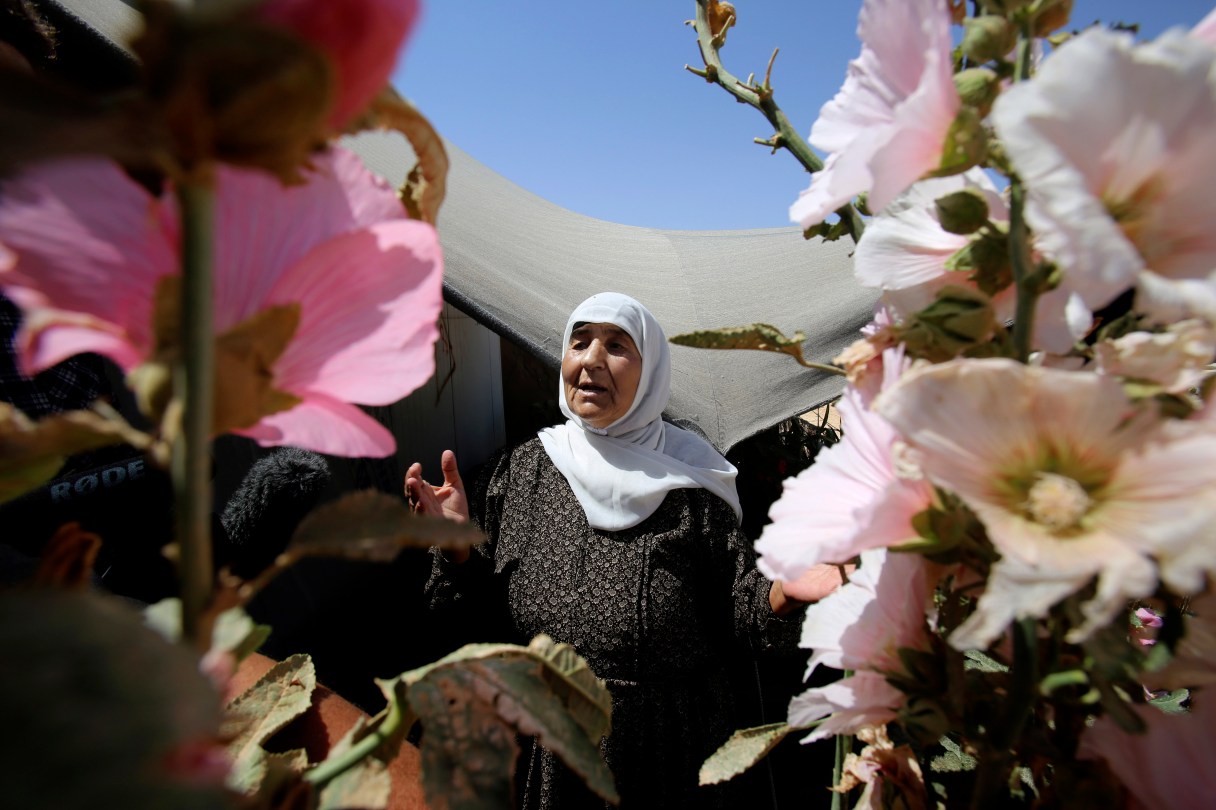
ZAATARI REFUGEE CAMP, Jordan (AP) – Only empty desert three years ago, the Mideast’s largest camp for Syrian civil war refugees has grown from a town of tents into a bustling city.
The United Nations-administered camp plans water and sewage systems and a $20 million solar power plant, even ATM machines for refugee aid payments.
But behind the plans is a cold reality for the 81,000 exiles living in the Zaatari Refugee Camp: The conflict back home, now its fifth year, won’t be over anytime soon.
Some deal with that reality by making the best of life in exile, like the Zaatari high school senior who studied hard in cramped quarters to win a university scholarship, or the former farmer who planted a garden because he was tired of looking at the desert.
But dozens of others leave every week to go back to Syria, saying it’s better to risk death than live in limbo in a camp where jobs are few, a third of children don’t attend school and thousands of young adults lack the chance to learn a trade.