
Crepe myrtle care
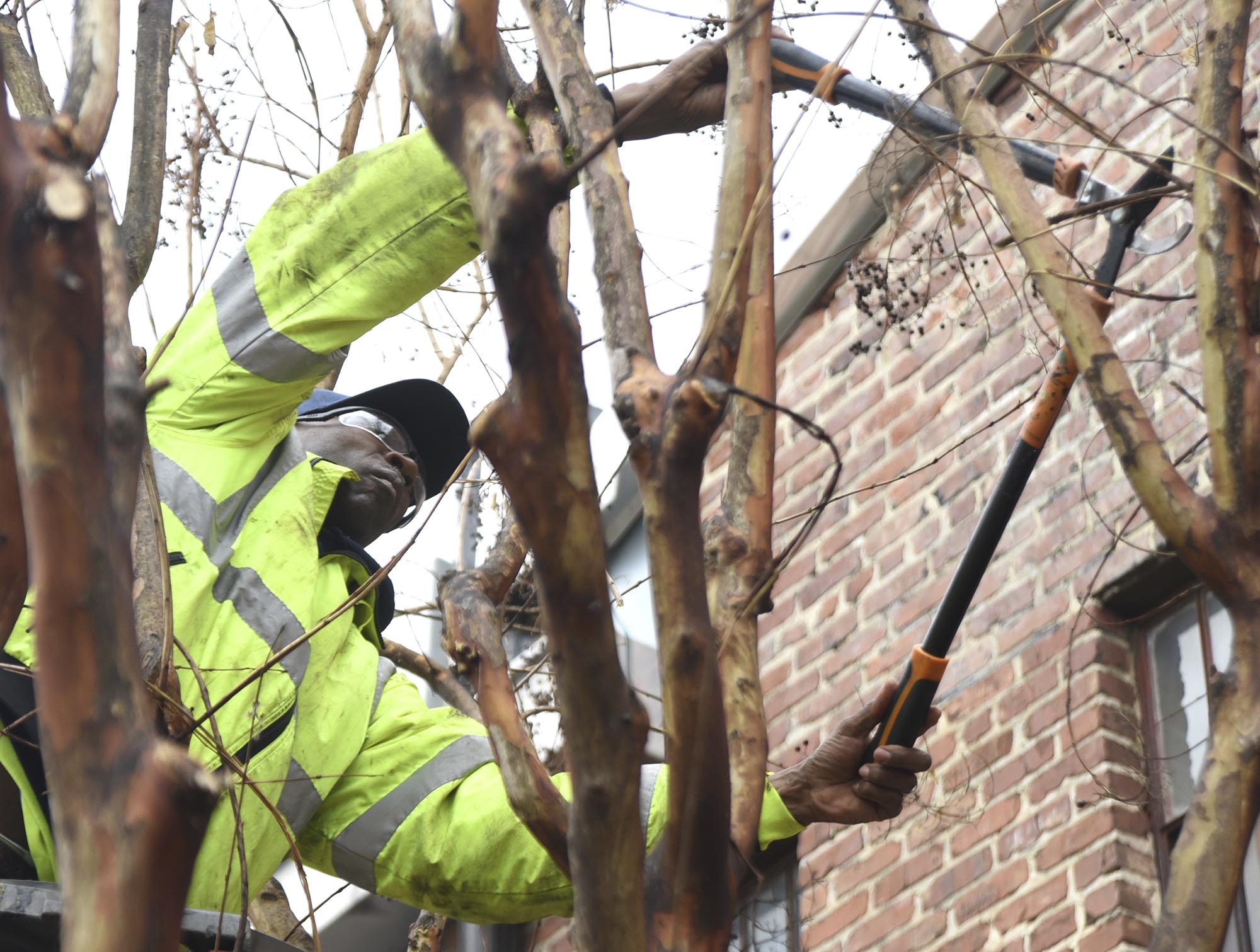
If you have branches that need to be cut off or cut back, here’s how to do it:› A shallow cut under the limb prevents tearing the bark as the limb falls.› Cut the limb off by sawing down from the top at a point several inches beyond the initial cut.› The last cut removes any stub that remains, leaving a smooth-edged wound that will heal without a dressing.Source: Southernliving.com
It doesn’t take investigators long to establish what happened at the crime scene, although, if there were witnesses, no one is talking.
The crime is obvious and the only real questions are: Who did it and did the perp use pruning shears, a serrated gardening saw or, even more gruesome, a chainsaw?
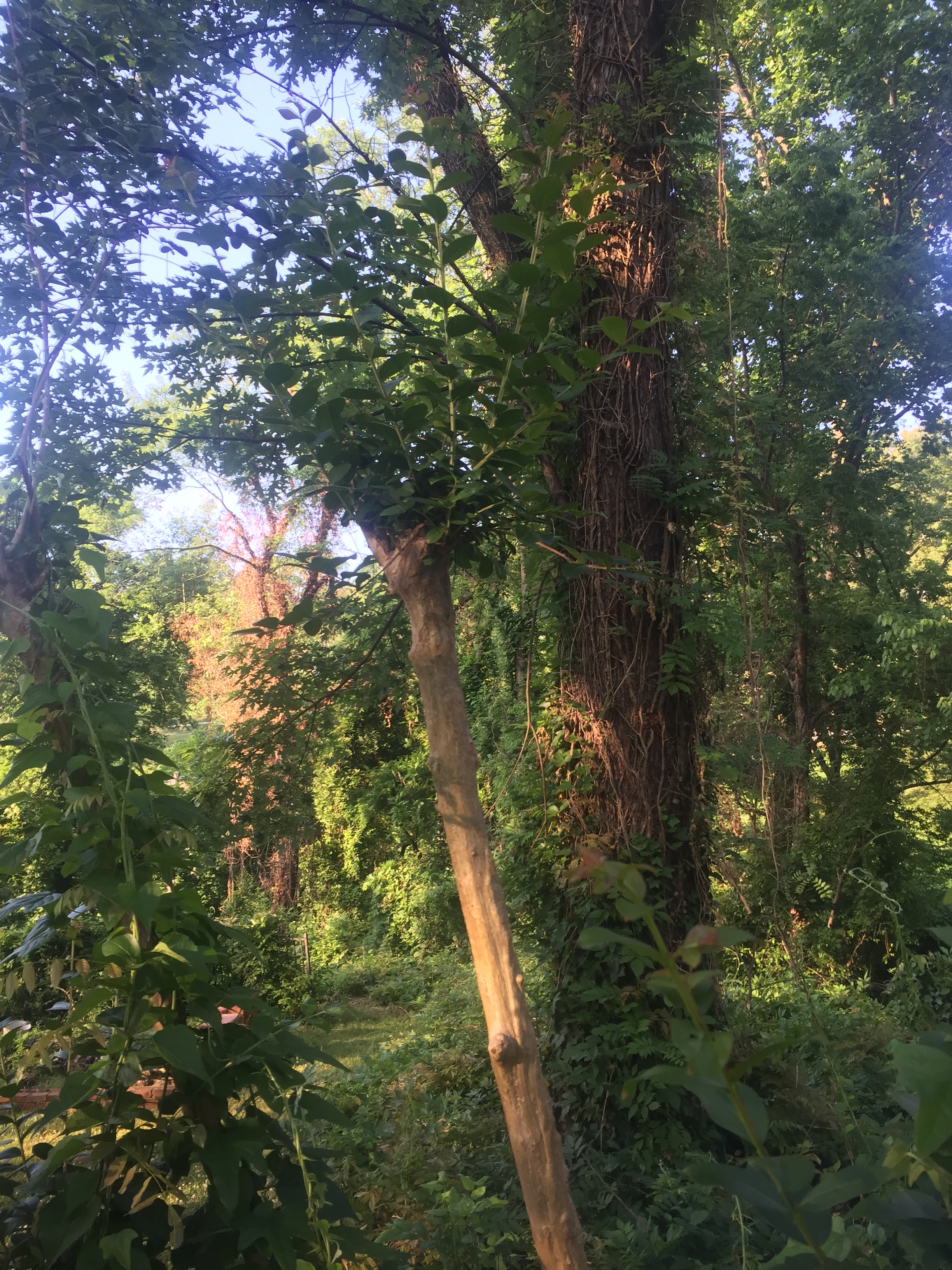
The victim will likely survive and, with any luck, might even appear more vibrant, though it will never be as healthy as it was before the incident. In any case, its appearance has been drastically altered; some might even say it is hideous.
Professionals have a name for this type of crime: “Crepe murder.”
Until a couple of decades ago, it was common practice among professional and amateur gardeners to cut back crepe myrtles under the theory that it promoted new growth and better blooms. Today, at least among the pros, that practice is now called “professional malpractice,” according to City Forester Gene Hyde.
“In fact, topping any tree on a city right-of-way is against code,” Hyde says. “When people do that kind of thing or allow gardeners to do it, it’s not a good thing.”
Patrick Larkin, senior vice president of gardening at Cheekwood Botanical Garden and Museum of Art in Nashville, says crepe myrtles should be treated like any other tree because that’s what they are – a tree.
“You wouldn’t do that to an oak or a maple,” he says. “And it increases the amount of debris in your yard as it forces out new shoots that are all extremely weak and snap off in the winter.
“It doesn’t look good, and it’s just a bad way to treat a plant,” he adds.
Hyde and Larkin both say proper pruning techniques should be applied to a crepe myrtle – or any plant, for that matter.
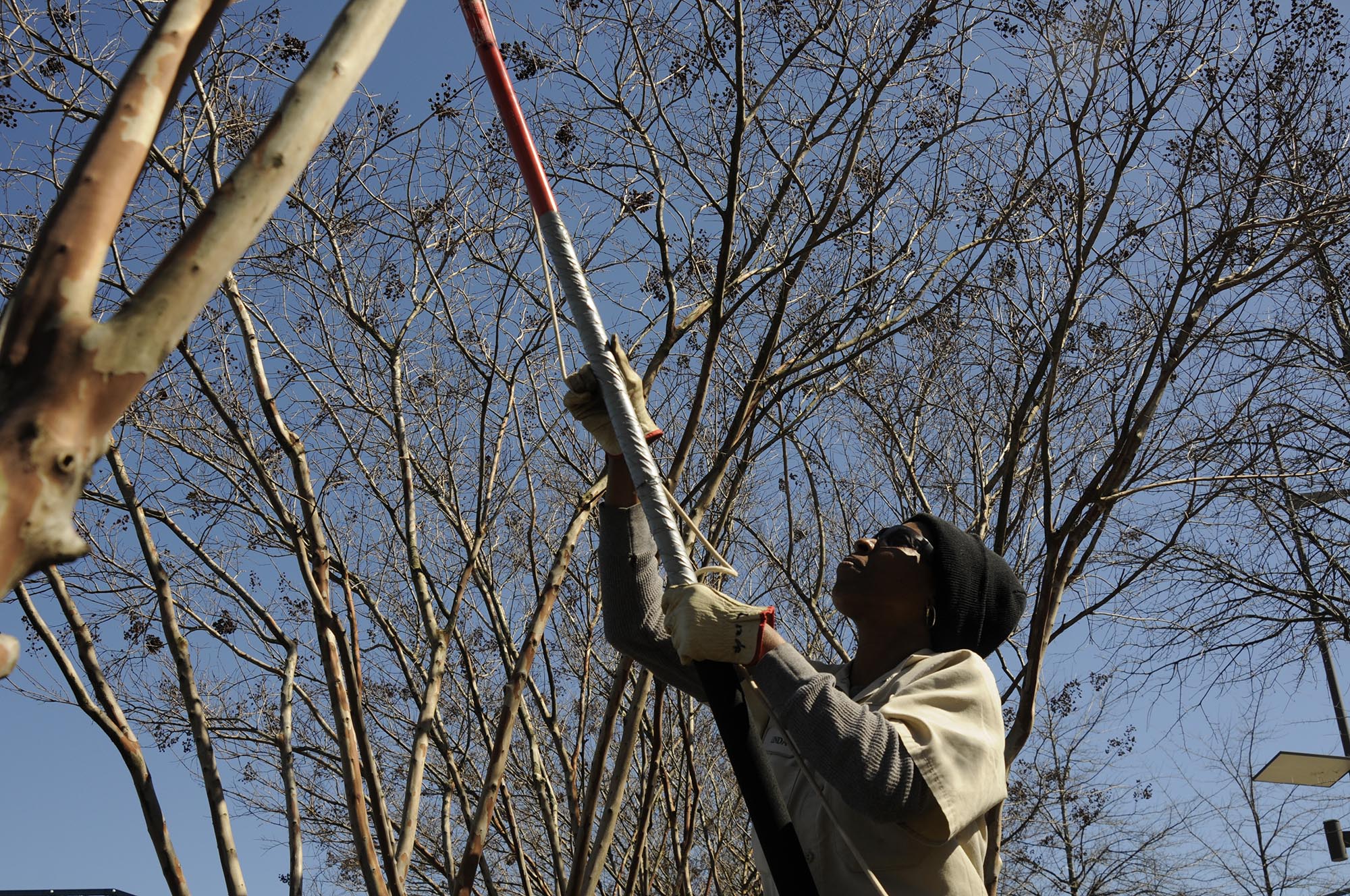
“If a [crepe] branch is growing into your house or any other area, use proper pruning techniques and cut it back,” Larkin says.
Too often, people whack back their crepe myrtles because that’s the way it’s “always been done” and, because the tree is so tough, it appears to be the right thing to do.
“The crepe myrtle is an incredibly resilient plant and can put up with a lot of things, but if you top it, the smooth sinewy bark and the exfoliating bark doesn’t develop,” Larkin says.
And, he says, not topping the tree doesn’t prevent it from blooming.
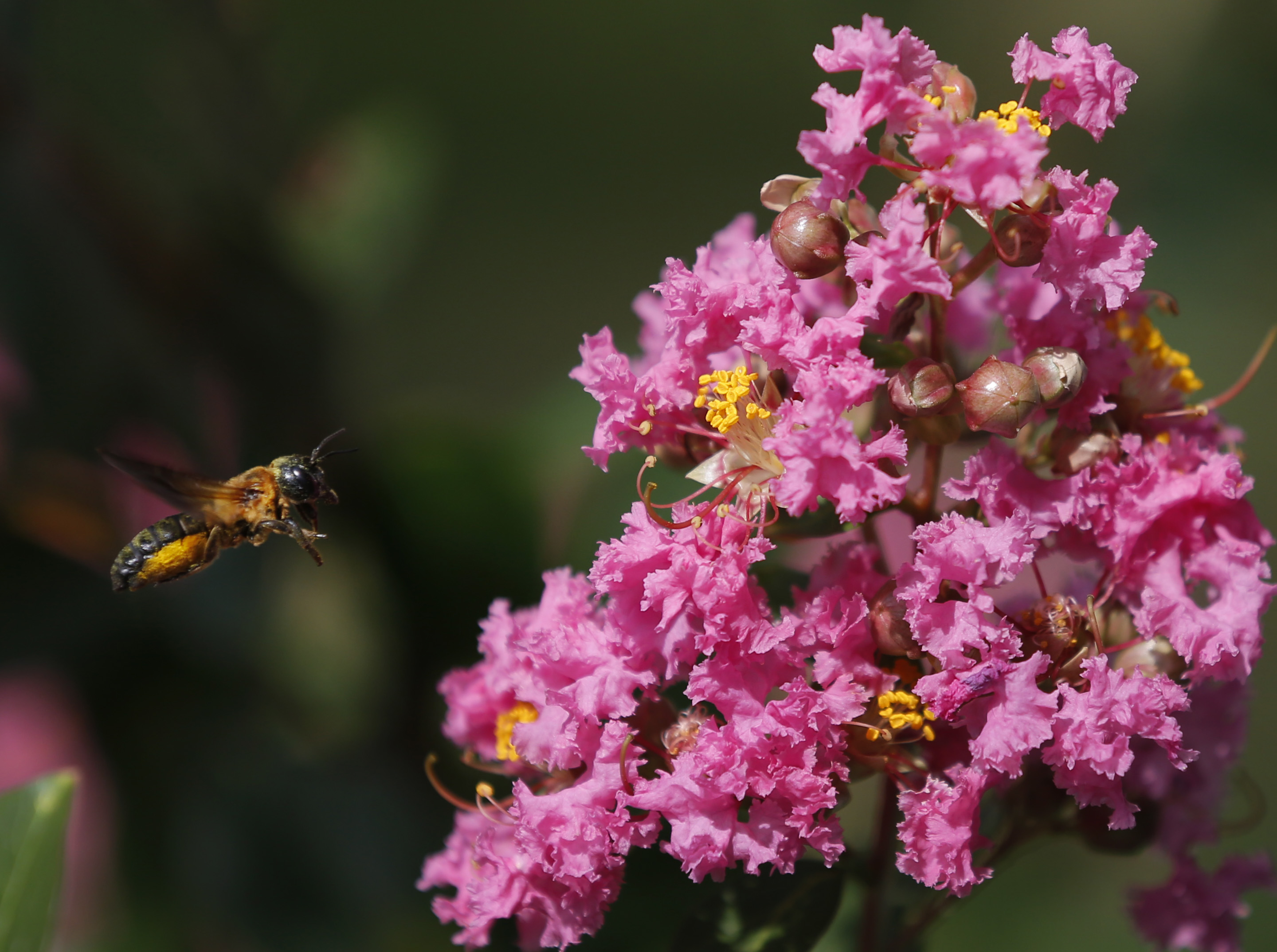
“It will flower on its own,” he says. “It’s going to bloom if you do anything to it or not.”
Some people cut them back because they overtake the space they are in, but Hyde says there is a better way to shape the tree.
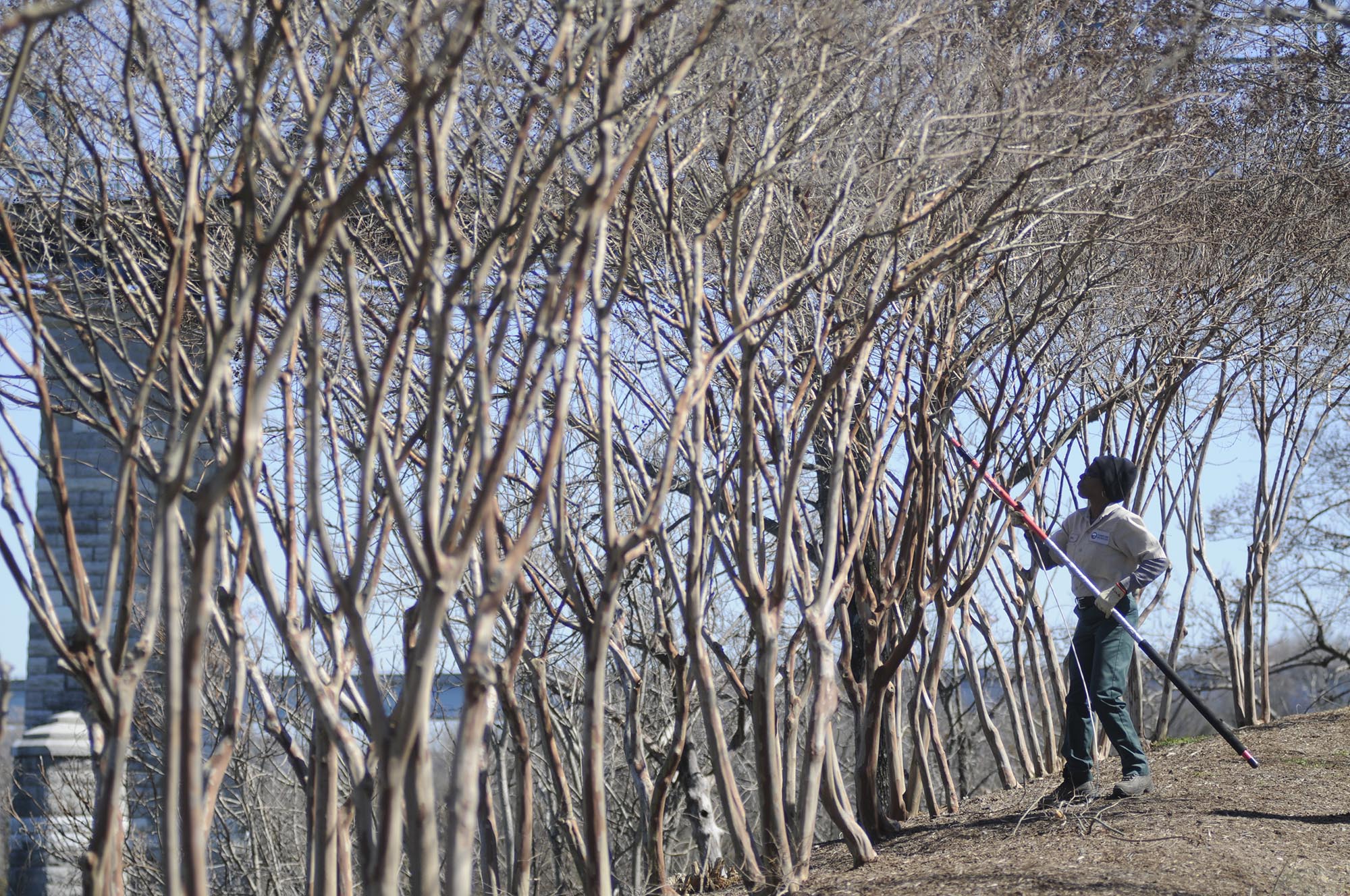
“Typically,” Hyde says, “what we do and what is recommended is to take those major stems or sucker growths down at the stem and cut those if they are growing into your sidewalk or driveway.”
The tiny, green shoots that poke out from the base of the tree in spring are called suckers. Arborists say they should be cut off because, if left alone, the crepe myrtle will start to look like a bush instead of a tree.
Larkin says that is what is done to the more than 50 crepe myrtles at Cheekwood.
“And, because people love crepe myrtles so much, there has been a tremendous amount of breeding work done,” he says. “There are shrub types out to fit your wants and needs. It just requires a little research to find the right fit.”
Who knows, a little extra effort might save a life.
Contact Barry Courter at bcourter@timesfreepress.com or 423-757-6354.