
Thursday, October 29, 2026Oct 29

This story is free to read.

What to do when pulled over: A new chapter for driver’s ed?

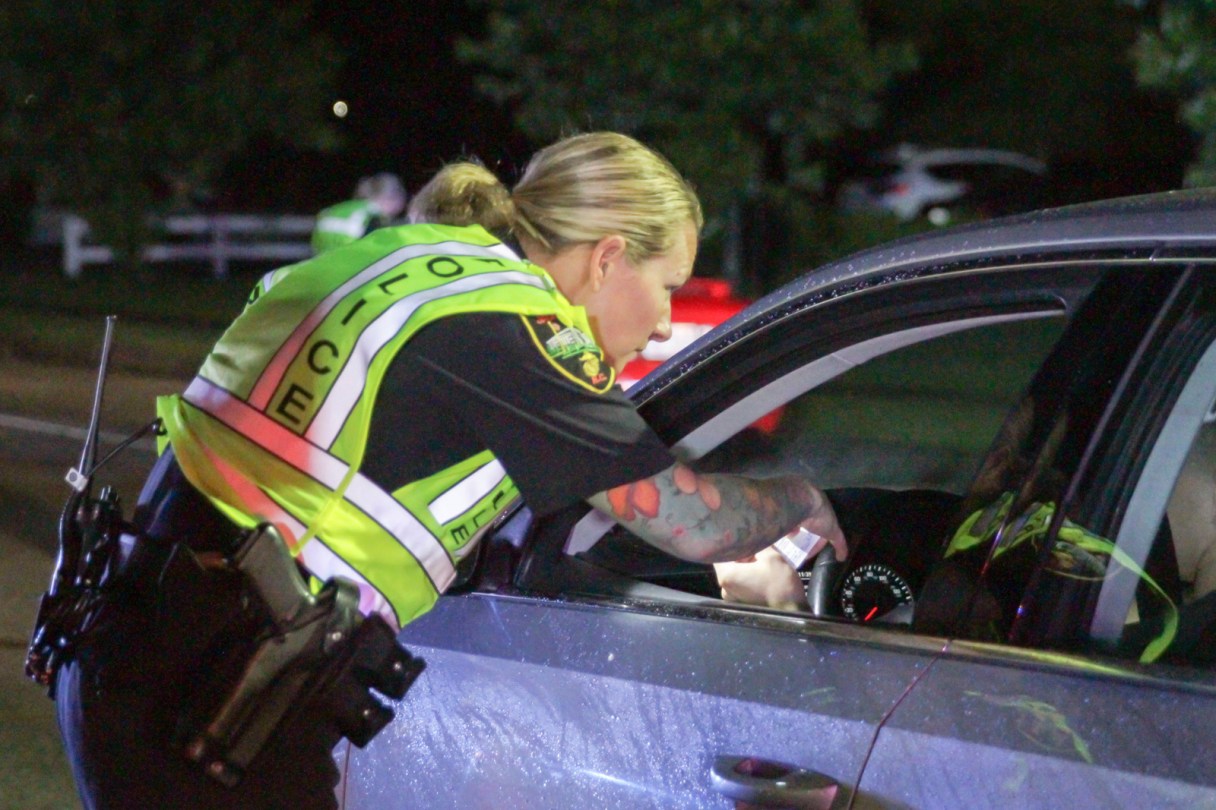
In this Friday, May 20, 2016 photo, Officer Teresa Orr with the Jacksonville Police Department speaks with a driver at a checkpoint in Jacksonville, N.C. Efforts to prevent deadly encounters between police officers and motorists, young, black males in particular, have lawmakers across the country considering changes to driver's education classes as a way to show teenagers how to react when stopped (Tina Brooks/The Jacksonville Daily News via AP, File)
In this Friday, May 20, 2016 photo, Officer Teresa Orr with the Jacksonville Police Department speaks with a driver at a checkpoint in Jacksonville, N.C. Efforts to prevent deadly encounters between police officers and motorists, young, black males in particular, have lawmakers across the country considering changes to driver's education classes as a way to show teenagers how to react when stopped (Tina Brooks/The Jacksonville Daily News via AP, File) In this Friday, May 20, 2016 photo, Officer Teresa Orr with the Jacksonville Police Department speaks with a driver at a checkpoint in Jacksonville, N.C. Efforts to prevent deadly encounters between police officers and motorists, young, black males in particular, have lawmakers across the country considering changes to driver's education classes as a way to show teenagers how to react when stopped (Tina Brooks/The Jacksonville Daily News via AP, File)

RALEIGH, N.C. (AP) – Deadly encounters between police officers and motorists have lawmakers across the country thinking driver’s education should require students to be taught what to do in a traffic stop.

A North Carolina bill would require instructors to describe “appropriate interactions with law enforcement officers.” Illinois passed a similar law recently, and another awaits the Virginia governor’s signature. Mississippi, New Jersey and Rhode Island also are considering them.

Many lawmakers want to make police interactions more transparent and improve community relations, in particular with people who feel unjustly targeted or mistreated because of their skin color.

Most don’t pretend to legislate exactly how drivers should react, leaving the details to be worked out by state law enforcement or education and driver’s license agencies. The 2017 “Rules of the Road” for Illinois , published in February, could provide a model, making detailed “suggestions” about proper driver behavior.

“The goal here is to reduce what could be a tense situation that can be very stressful on both sides,” said Dave Druker, with the Illinois Secretary of State’s Office, which oversees licensing 2.2 million new and veteran drivers annually.