

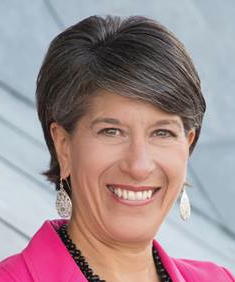
Joanie Sompayrac has taught college students for more than two decades. She began to notice a change in her students about 10 years ago.
“I enjoy teaching and I love my students,” says Sompayrac. “The last 10 years have been really interesting as I have watched students move from being independent thinkers not afraid to speak their mind. I used to ask questions in class and students would be eager to answer; today, they are terrified to be wrong.
“I have students in my class who are terrible at accounting. I ask them why they are majoring in it and they say, ‘Because my parents told me to,’ not because they are passionate about the subject. They have bought into the notion that their parents know best.”
Sompayrac isn’t alone. Colleges across the country are experiencing this same phenomenon. In fact, Julie Lythcott-Haims, former Stanford University dean of freshmen, was so taken aback by the trend, she began to research what was going on. The result is her recently released book, “How to Raise An Adult: Break Free of the Overparenting Trap and Prepare Your Kid for Success.”
“Parents are applauding kids at every turn just for showing up versus when they accomplish something,” says Lythcott-Haims. “They are constructing play through play dates. When kids have been raised like this, it is not a surprise that, as young adults, they are still looking for their parents’ approval, direction and protection in college and the world of work.
“The students were becoming less independent as parents increased control over their children’s lives,” she says. “I noticed that too many students weren’t trying to get their parents off their back; they were relieved to have their parents do the hard work.”
While both believe that parents are well-intentioned in their attempts to help, neither Lythcott-Haims nor Sompayrac believe this kind of parental engagement is particularly helpful to students in the long run.
“When college students have no idea how to think for themselves, problem-solve and be critical thinkers, that is not a good thing,” Sompayrac says. “When parents choose their child’s major, intervene in resolving roommate issues or contact a professor about a grade, they are depriving their child of the opportunity to figure it out for themselves. Yet these are the very experiences that help young people build confidence, make mistakes, experience consequences, pick themselves back up and keep going.”
How can parents be helpful without being overbearing? Lythcott-Haims suggests parents consider the following:
* Accept that it’s not about you, it’s about your kid.
* Notice who your kid actually is, what they’re good at and what they love.
* Explore diagnostic tools such as StrengthsFinder to help your kid discover what energizes them.
* Be interested and helpful.
* Know when to push forward; know when to pull back.
* Help them find mentors outside the home.
* Prepare them for the hard work to come.
* Don’t do too much for them.
* Have your own purpose.
Perhaps the greatest way to prepare children for adulthood is to stop hovering, encourage them to be independent thinkers and help them to be who they are called to be, not who we think they should be.
Julie Baumgardner is president and CEO of First Things First. Contact her at julieb@firstthings.org.