
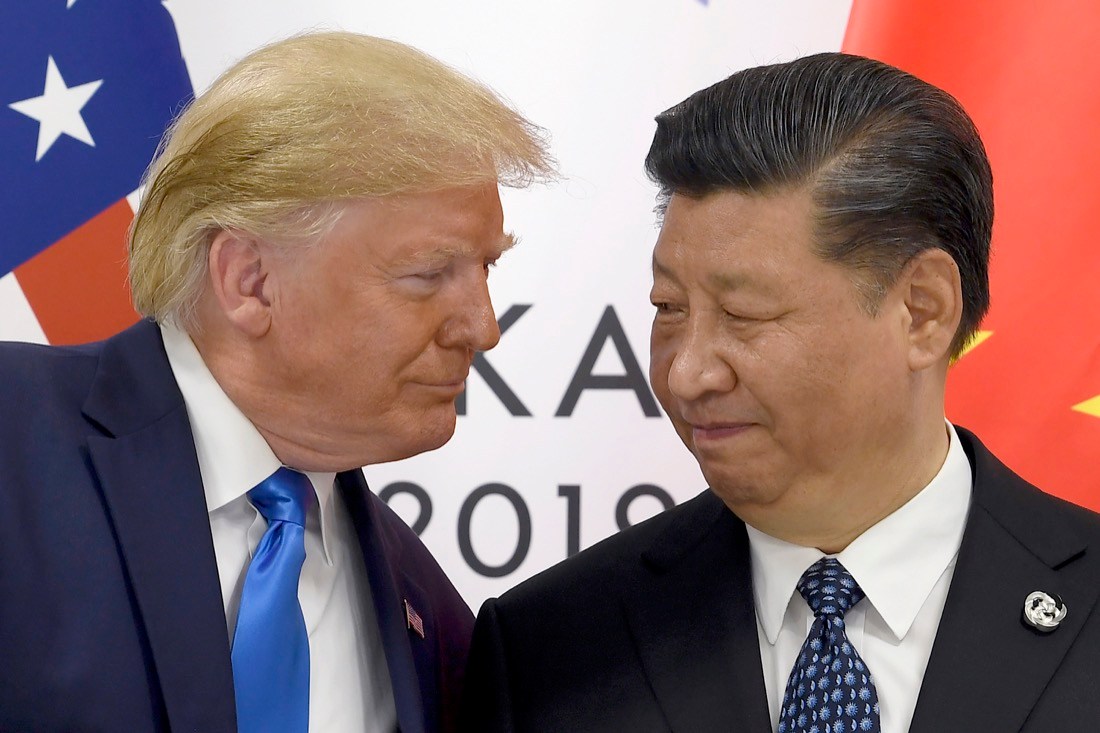
WASHINGTON (AP) – Rather than speak up strongly for the Hong Kong protesters, President Donald Trump on Thursday suggested the answer to their complaints of Chinese oppression is simply for Beijing’s “great leader,” Xi Jinping, to meet with them and peacefully sort out the unrest that has been decades in the making.
Trump’s comments were a far cry from the tougher stances taken by some fellow Republicans – and his predecessors in office – to stand with pro-democracy protesters during moments of unrest. His words are emblematic of a foreign policy approach that focuses narrowly on a trade deal with China, putting it above promoting American values.
Trump has fixated on the state of trade negotiations and at times has ignored the counsel of some of his most senior advisers to lower the temperature of the trade dispute with Beijing. Amid stock market volatility this week and talk of a looming recession, worries have grown within the West Wing that escalating trade tensions and tariffs could undermine Trump’s best argument for reelection — a strong U.S. economy.
In June, Trump indicated to Chinese President Xi on the sidelines of an international summit in Japan that he would not overtly criticize the Chinese government’s efforts to silence the protests in Hong Kong, according to two administration officials not authorized to speak publicly about private discussions. As the demonstrations ratcheted up this week, Trump stayed mostly quiet, referring to the moment as “the Hong Kong thing.”
As he has in the past, Trump retreated to the role of observer to an international crisis, chiming in on Twitter with reactions to what he saw on cable TV but not injecting the United States into the moment.