
Tell USDA what you think
The proposed rule was published in the Federal Register July 26, 2016, and is available for public comment at http://www.regulations.gov/#!docketDetail;D=APHIS-2011-0009. It can be viewed online at https://www.federalregister.gov/public-inspection. Consideration will be given to comments received on or before September 26.
In less than two weeks, the annual 11-day Tennessee Walking Horse National Celebration is scheduled to begin in Shelbyville.
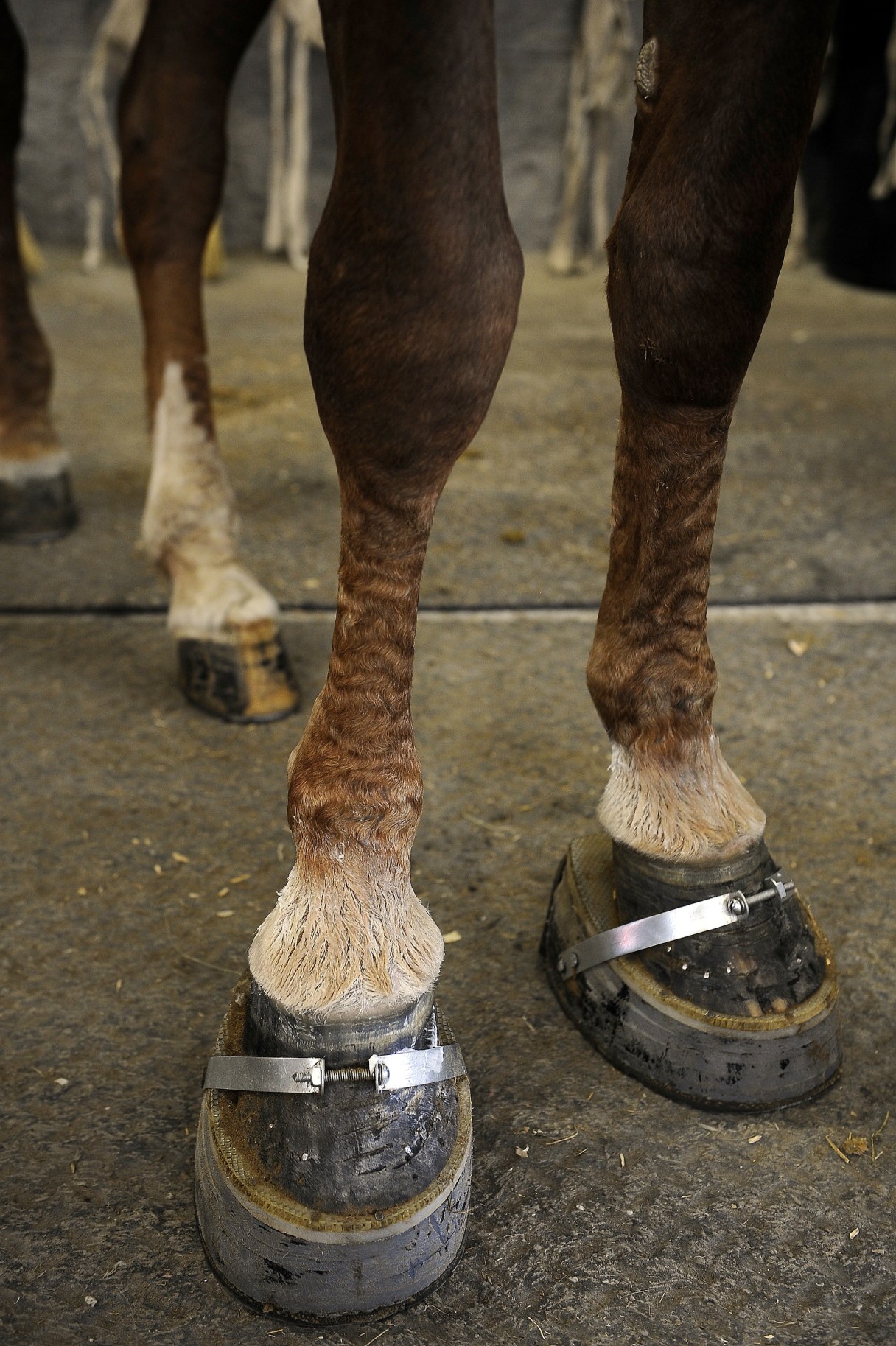
The walking horse show in recent decades has become the poster child of cruelty to animals with the onset of outrageously stacked and weighted shoeing techniques, sometimes combined with caustic chemicals. This year’s competition will be held Aug. 24 through Sept. 3.
It hasn’t always been like this. Nor does it have to stay this way.
The majestic and graceful Tennessee walking horse has been around since plantation times in the late 18th century, when farmers used smooth-gaited horses to cover lots of land quickly and comfortably. The horses had a distinct gait that was fast like a trot, but not at all jarring. Their step became known as a running-walk, and those utility horses were flat-shod, patiently trained and carried an outstanding reputation for calmness.