
 Dr. Clif Cleaveland
Think of families resting in their homes, preparing for a day of uncertainty. In the war-torn town of Khan Sheikhoun in Syria’s Idlib province, parents struggled daily to find adequate food for their children. The region, which was held by opponents of the regime of President Bashar al-Assad, endured almost daily air attacks. With little warning, parents would gather their children and seek whatever shelter was available.
Early in the morning of April 4, a jet roared overhead, followed by three explosions and a fourth dull thump. Observers on nearby hills saw a white cloud spread over the city immediately after the attack. Within minutes, people ran from their houses, some collapsing almost as soon as they reached the streets. Other adults and children died in their beds.
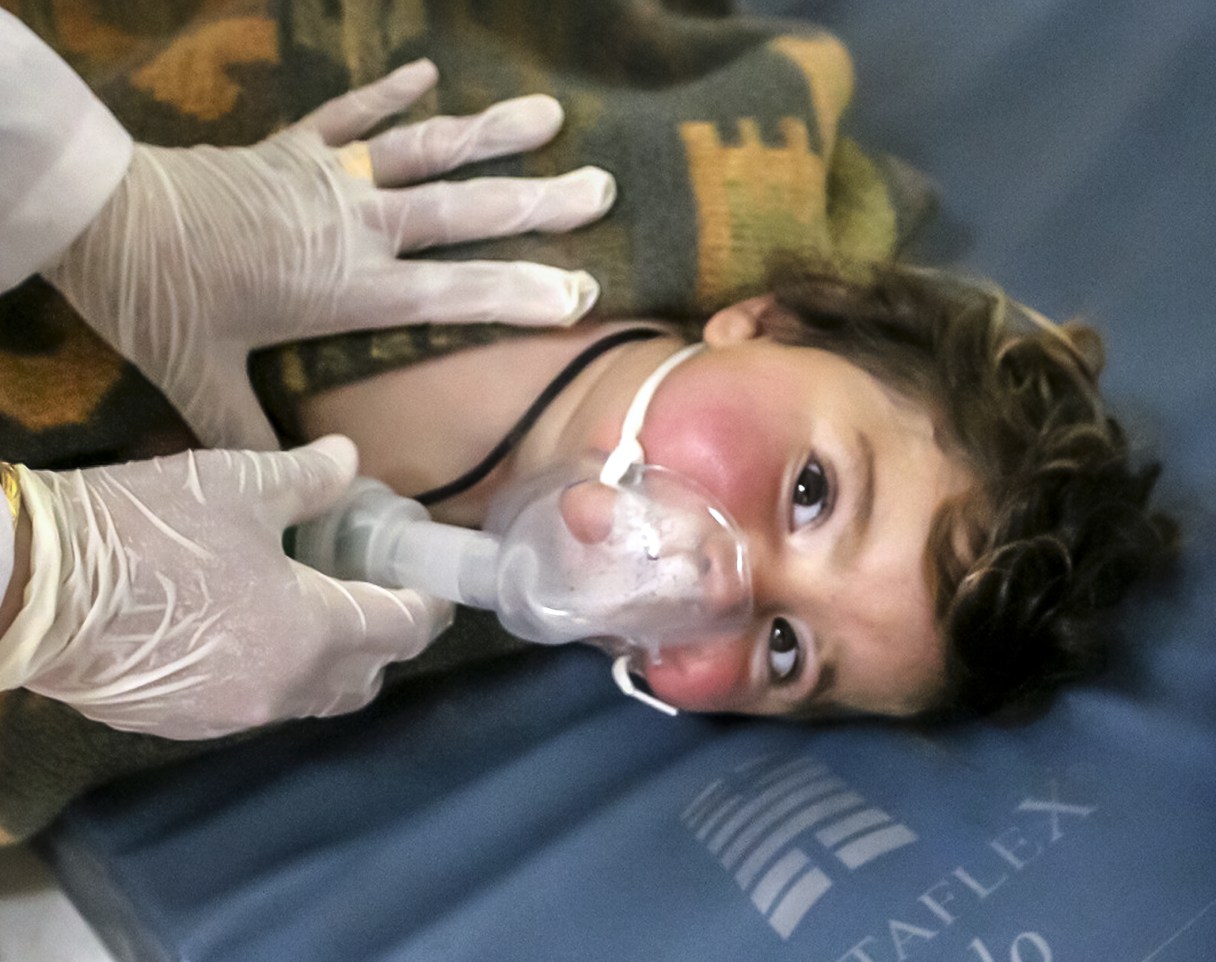
Neighbors who rushed to the site encountered a choking fog that drove them back. Aid workers in protective suits loaded survivors into ambulances, which took them to a hospital that was quickly overwhelmed and ran out of oxygen and antidotes. Victims awaiting transfer were stripped of their clothing and doused with water to remove any poisonous residue.
Rescuers and hospital staff noted among the survivors constricted pupils, foaming at the mouth, extreme respiratory distress, incontinence of stool and urine, and writhing movements – signs of poisoning by a “nerve” gas.
Seventy-two residents, including many women and children, died. Hundreds were injured, some permanently. The hospital endured a bomb attack later in the morning. Some victims were transported to hospitals in Turkey.