
Monday, November 16, 2026Nov 16

Los Angeles hospital ‘superbug’ takes toll on infected

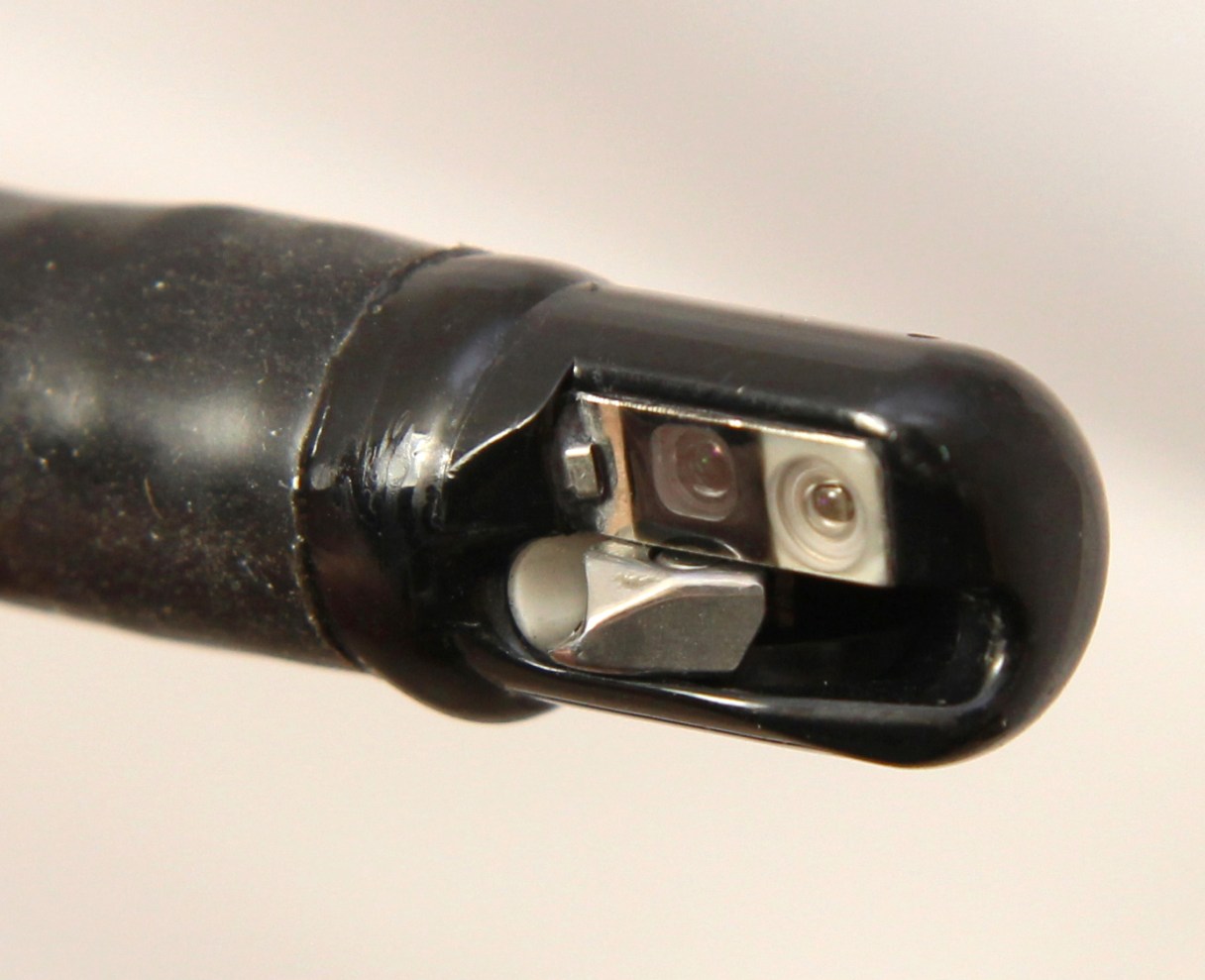
This undated photo provided by the U.S. Food and Drug Administration shows the tip of an endoscopic retrograde cholangiopancreatography (ERCP) duodenoscope, attached to a long tube, not shown. A "superbug" outbreak suspected in the deaths of two Los Angeles hospital patients is raising disturbing questions about the design of a hard-to-clean medical instrument used on more than half a million people in the U.S. every year. At least seven people — two of whom died — have been infected with a potentially lethal, antibiotic-resistant strain of bacteria after undergoing endoscopic procedures at Ronald Reagan UCLA Medical Center between October and January. More than 170 other patients may also have been exposed, university officials said. (AP Photo/U.S. Food and Drug Administration)

LOS ANGELES (AP) – Among the seven people infected by a “superbug” outbreak tied to medical instruments at a Los Angeles hospital is an 18-year-old student who has spent nearly three months in the hospital and is in grave condition, his attorney said.

The young man was struggling not to become the third of those infected at Ronald Reagan UCLA Medical Center to die, Attorney Kevin Boyle said Thursday.

He had entered the hospital for a procedure that involved using an endoscope to examine his pancreas.

“They were scoping it out, trying to see what was the matter,” Boyle said. “He had no life-threatening condition before like he does now.”

At least seven people – two of whom died – have been infected with a potentially lethal, antibiotic-resistant strain of bacteria known as carbapenem-resistant Enterobacteriaceae, or CRE, after undergoing similar endoscopic procedures. More than 170 other patients may also have been exposed, hospital officials said.